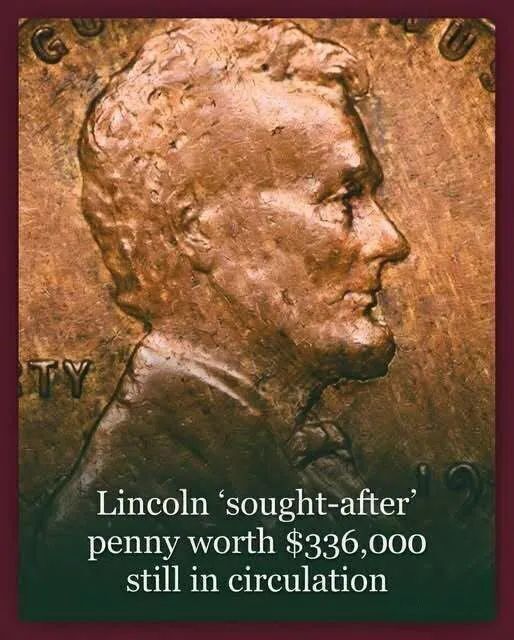
The 1943 Bronze Lincoln Cent occupies a unique place in American numismatics—a coin born not from design, but from accident during one of the most demanding periods in modern history.
In 1943, at the height of World War II, the U.S. Mint made a deliberate shift: instead of using bronze (which contains copper), pennies were struck in zinc-coated steel. Copper was urgently needed for military equipment, and even small savings in metal mattered. The result was the familiar silver-colored “steel cents” of that year.
But production lines are rarely perfect.
A handful of leftover bronze planchets—metal blanks from 1942—remained in the presses. When they were accidentally struck with 1943 dies, they created something entirely unintended: a tiny number of bronze pennies bearing the 1943 date.
At the time, no one noticed.
It wasn’t until 1947 that these coins began appearing in circulation, immediately sparking curiosity and disbelief. The idea of a “copper 1943 penny” sounded improbable enough that many assumed it was a rumor—or a trick.
Yet the more examples surfaced, the harder it became to dismiss.
Collectors and everyday people alike began checking their change, often using simple tests. Steel cents are magnetic; bronze ones are not. That small difference turned pocket change into a kind of nationwide treasure hunt, where the ordinary suddenly carried the possibility of the extraordinary.
What makes the 1943 bronze cent so compelling isn’t just its rarity—though that alone is remarkable. Experts believe that fewer than twenty authentic examples exist across all mint locations. It’s the combination of scarcity and historical context that elevates it.
This coin represents a moment when industrial urgency and human oversight intersected.
The wartime shift to steel reflects a country reallocating resources for survival. The accidental bronze coins, by contrast, reveal the limits of control even in tightly managed systems. Together, they tell a story far larger than their size suggests.
Authenticating these coins, however, proved challenging. For years, the U.S. Mint denied their existence, attributing sightings to altered coins or plating tricks. Only later did metallurgical testing confirm the truth: genuine bronze 1943 cents had indeed been struck using leftover materials.
That confirmation transformed skepticism into fascination.
Over time, these coins became some of the most coveted items in American coin collecting. Their value reflects not just rarity, but narrative. Individual specimens have sold for hundreds of thousands of dollars, and in at least one case, surpassed the million-dollar mark.
Each surviving coin carries subtle differences—details that help experts determine whether it originated in Philadelphia, Denver, or San Francisco. These distinctions add another layer of intrigue, turning each piece into both artifact and puzzle.
Stories of unexpected discoveries have only deepened the coin’s mystique. One of the most well-known involves a teenager who found a bronze 1943 cent in his lunch money—an ordinary moment that quietly altered the course of that coin’s journey into history.
Today, the 1943 Bronze Lincoln Cent endures as more than a collector’s prize.
It stands as a reminder that history isn’t always shaped by intention. Sometimes, it emerges from small oversights, preserved by chance, and later recognized for their significance. In that sense, this coin represents something broader: the idea that even the smallest objects can carry the weight of an era—and the power to captivate generations long after their creation.