Over the weekend, coordinated airstrikes reportedly carried out by the United States and Israel targeted sites inside Iran. Several outlets have claimed that Iran’s Supreme Leader, Ayatollah Ali Khamenei, along with four members of his family, was killed during the operation, though official confirmations remain limited.
In retaliation, Iran launched missiles and drones toward U.S. military installations and other strategic locations across the region. The exchange has intensified concerns about Middle East stability, oil price volatility, and broader security risks. Officials from multiple countries have suggested that the confrontation may not end quickly, leaving defense analysts and financial markets on heightened alert.
Early Monday, a suspected Iranian drone reportedly struck the United Kingdom’s RAF Akrotiri base in Cyprus. The U.K. government confirmed minor runway damage but said there were no casualties. The incident signaled how the conflict’s ripple effects could extend beyond its original theater, raising questions about NATO-linked infrastructure and regional defense posture.
Trump’s Prior Warning Resurfaces
Amid escalating tensions, past remarks from former U.S. President Donald Trump have reentered public discussion.
Approximately a year before Khamenei’s reported death, Trump signed an executive order intended to intensify pressure on Tehran. The measure reportedly expanded U.S. authority to impose sanctions and strengthen deterrence mechanisms as part of a broader “maximum pressure” strategy.
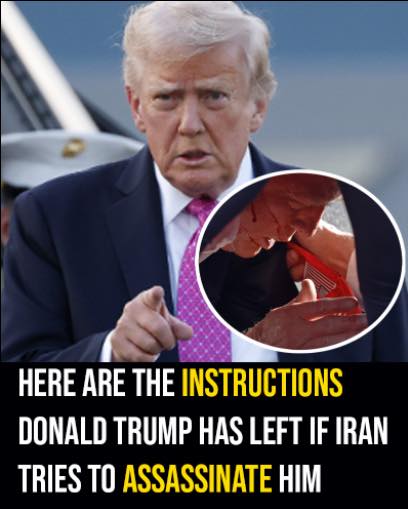
While expressing a preference for diplomatic resolution, Trump also issued a forceful warning regarding potential assassination threats. In February 2025 remarks, he stated that any such attempt attributed to Iran would trigger overwhelming retaliation. He emphasized that contingency instructions had already been established to ensure a decisive response.
His comments reflected a policy approach centered on economic sanctions, military deterrence, and leverage in nuclear negotiations.
As developments continue, global observers remain focused on how military escalation, diplomatic maneuvering, and energy market reactions could reshape the regional balance of power. The coming weeks may prove critical in determining whether the trajectory bends toward further confrontation or cautious de-escalation.