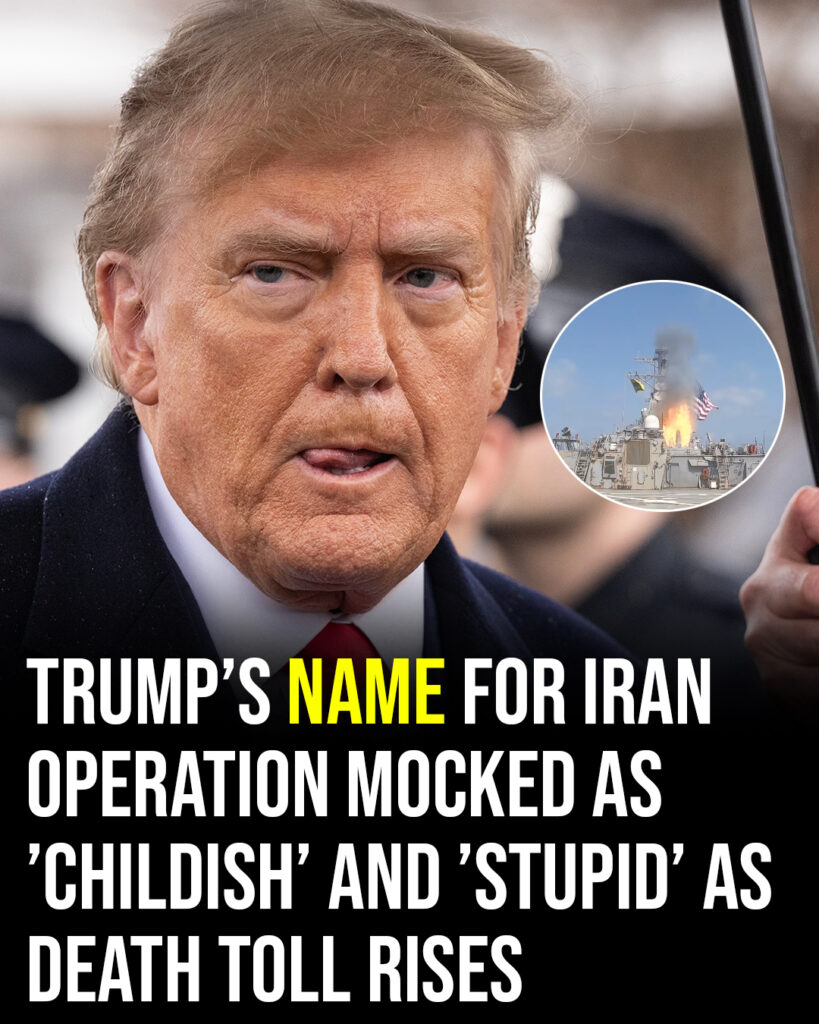
“Operation Epic Fury” Draws Online Mockery as Iran Conflict Escalates
As U.S. and Israeli airstrikes against Iran continue, much of the online conversation has taken an unexpected turn. Beyond the rising casualties and expanding regional fallout, social media platforms have zeroed in on the name of the campaign itself: “Operation Epic Fury.”
Since February 28, coordinated strikes have reportedly targeted Iranian leadership and military infrastructure, with multiple outlets claiming that Ayatollah Ali Khamenei was killed in Tehran. Iran responded with missile and drone attacks against U.S. installations in Saudi Arabia, Bahrain, Qatar, and Dubai, and also struck the British-run RAF Akrotiri base in Cyprus. UK officials confirmed minor runway damage and no fatalities there.
Casualty reports across the region continue to rise, with significant losses reported in Iran and additional deaths and injuries in Israel, Kuwait, Bahrain, Iraq, Lebanon, and elsewhere.
Online Reaction to the Operation’s Name
Despite the gravity of events, online users have focused heavily on the branding of the mission. Many have described “Operation Epic Fury” as overly dramatic or cinematic.
Some compared it to a superhero franchise title, while others likened it to a fictional military campaign from a video game. Memes and sarcastic commentary quickly circulated across platforms, turning the name into a trending topic separate from the military developments themselves.
Even some conservative commentators questioned the tone of the naming choice, suggesting it felt theatrical given the seriousness of the situation.
Pentagon Response
U.S. Defense Secretary Pete Hegseth defended the operation at a Pentagon briefing, describing it as “laser-focused” and characterizing it as one of the most complex and precise aerial missions in modern history.
Hegseth argued that Iran has engaged in hostile actions against U.S. interests for decades, referencing historical incidents such as the Beirut barracks bombing and attacks on American personnel in the Middle East.
“We didn’t start this war,” he said, “but under President Trump, we are finishing it.”
Optics vs. Strategy
The controversy highlights a broader dynamic of modern conflict: while military planners focus on tactical execution and deterrence, public discourse often shifts toward symbolism, messaging, and presentation.
In an era where operations unfold alongside real-time commentary, even the naming of a mission can influence perception — domestically and internationally.
As hostilities continue and geopolitical stakes remain high, debate persists not only over strategy and impact but also over how such operations are framed in the public eye.
Whether “Operation Epic Fury” signals strength or simply invites satire may ultimately depend on how events unfold in the days ahead.