Facebook Twitter Instagram
    Trending
    • “CONTROL LEFT THE ROOM — AND NEVER CAME BACK.” The second Tim Conway drifted into a sketch, professionalism quietly packed its bags. He didn’t shout. He didn’t rush. He simply stood there, delivering lines so gently they felt harmless — right up until the entire room imploded. From the dentist routine to that infamous elephant story that nearly brought live television to its knees, his calm, unbothered delivery worked like a slow fuse. Discipline vanished. Faces flushed. Breathing became optional. Harvey Korman fought harder than anyone to survive it. Shoulders shaking. Eyes watering. Air gone. He tried to regain control and failed in the most spectacular way possible, dissolving into gasping laughter that turned him into the punchline alongside the audience and half the cast. Tim, of course, never broke. He just kept going — softly, patiently — like none of this was his fault. People still say those moments weren’t just comedy, they were accidents of joy — lightning caught on camera. The kind of laughter that shuts the world down, makes time irrelevant, and reminds you what it feels like to lose control in the best way. Decades later, it still hits just as hard, proving real comedy doesn’t age… it just keeps finding new people to break.
    • Broadway Singer Sheyna Gee’s Dream Came True When Gretchen Wilson Joined Her Onstage Without Warning.
    • Nicole Kidman Escapes To Antarctica With Her Daughters As Keith Urban’s Post-Divorce Life Turns Red Hot
    • Ella Langley’s Unplugged “Choosin’ Texas” Turns A Country Hit Into A Goosebump Moment
    • When Hugh Jackman stepped back into The Music Man, the theater didn’t erupt right away. It stilled. Not because people didn’t know what to do — but because they knew exactly what they were seeing. Eleven years on, this wasn’t a star repeating a triumph. It was an artist returning to something that had never really left him. Jackman took his time. A soft smile. A measured look across the audience. Then, almost under his breath: “Alright… let’s do this.” No swagger. No grand announcement. Just comfort — the kind that comes from having lived inside a character long enough to stop proving anything. His voice carried a different weight now. Warmer. Fuller. Unhurried. He let moments breathe, trusted the pauses, allowed silence to do some of the work. One audience member later whispered, “He wasn’t chasing the applause — he already knew where it lived.” By the end, Broadway didn’t just applaud. It exhaled. Because some performances don’t get louder with time — they get truer. And watching Hugh Jackman return home like this reminded everyone in the room why certain roles, like certain seasons of life, hit harder when you finally meet them again
    • Over 3 Million Eyes Were Glued to the Field — And Every Single One Felt It. When Jamal Roberts stepped onto the turf for the 2026 College Football Playoff National Championship, it wasn’t just a performance — it was a declaration. The stadium went silent, as if holding its breath for the journey carried in his voice. From Mississippi classrooms to the American Idol stage, every challenge, every late-night rehearsal, every moment of doubt led straight here. Roberts sang with control, heart, and a quiet confidence that made the anthem feel bigger than the stadium itself. Every note landed perfectly, letting the music do the work instead of spectacle. By the final line, the crowd erupted, social media blew up, and viewers around the country knew they had witnessed more than a song — they had witnessed a young artist stepping fully into his destiny. No fireworks, no gimmicks — just truth, precision, and the unforgettable weight of a voice meeting the stage it was made for.
    • “IT’S JUST A SONG…” — but that very song shattered Keith Urban’s home. After nearly two decades of marriage, Nashville was buzzing about the suggestive collaboration between Keith and young singer Karley Scott Collins, where every lyric resonated like a secret that shouldn’t be told. When they sang together, it wasn’t just music anymore, but raw emotion that left listeners breathless. Fans immediately recognized it: the connection was too real, too deep, and too dangerous. As the song climbed the charts, Keith’s family spiraled into silence, to the point where his daughters turned their backs on their own father. Now, amidst the dim stage lights and familiar guitar riffs, Keith Urban stands alone — more famous than ever, but also more isolated than ever.
    • Red Clay Strays Finally Gave Fans What They Begged For With A Full Hank Williams Jr. Cover That Hits Deep.
    Facebook Twitter Instagram
    Daily Stories
    • Home
    • News
    • Conservative
    • Magazine
    • Health
    • Animals
    • English
    Daily Stories
    Home » When Hugh Jackman stepped back into The Music Man, the theater didn’t erupt right away. It stilled. Not because people didn’t know what to do — but because they knew exactly what they were seeing. Eleven years on, this wasn’t a star repeating a triumph. It was an artist returning to something that had never really left him. Jackman took his time. A soft smile. A measured look across the audience. Then, almost under his breath: “Alright… let’s do this.” No swagger. No grand announcement. Just comfort — the kind that comes from having lived inside a character long enough to stop proving anything. His voice carried a different weight now. Warmer. Fuller. Unhurried. He let moments breathe, trusted the pauses, allowed silence to do some of the work. One audience member later whispered, “He wasn’t chasing the applause — he already knew where it lived.” By the end, Broadway didn’t just applaud. It exhaled. Because some performances don’t get louder with time — they get truer. And watching Hugh Jackman return home like this reminded everyone in the room why certain roles, like certain seasons of life, hit harder when you finally meet them again
    News

    When Hugh Jackman stepped back into The Music Man, the theater didn’t erupt right away. It stilled. Not because people didn’t know what to do — but because they knew exactly what they were seeing. Eleven years on, this wasn’t a star repeating a triumph. It was an artist returning to something that had never really left him. Jackman took his time. A soft smile. A measured look across the audience. Then, almost under his breath: “Alright… let’s do this.” No swagger. No grand announcement. Just comfort — the kind that comes from having lived inside a character long enough to stop proving anything. His voice carried a different weight now. Warmer. Fuller. Unhurried. He let moments breathe, trusted the pauses, allowed silence to do some of the work. One audience member later whispered, “He wasn’t chasing the applause — he already knew where it lived.” By the end, Broadway didn’t just applaud. It exhaled. Because some performances don’t get louder with time — they get truer. And watching Hugh Jackman return home like this reminded everyone in the room why certain roles, like certain seasons of life, hit harder when you finally meet them again

    Kelly WhitewoodBy Kelly WhitewoodJanuary 23, 20263 Mins Read
    Facebook Twitter Pinterest LinkedIn Tumblr Email
    Share
    Facebook Twitter LinkedIn Pinterest Email

    Hugh Jackman Steps Back Into The Music Man—and Somehow, It Hits Even Deeper 11 Years Later

    More than a decade after first taking on The Music Man onstage, Hugh Jackman didn’t simply return to the role—he showed why it’s never really been behind him.

    Hearing Jackman sing those familiar songs again, the comfort is immediate. But it’s not comfort born from routine. It’s the ease of someone who fully inhabits the role. His vocals are assured and playful, shaped by years of experience, and infused with a clear understanding of not just the music, but its heart.

    For those who caught him live on Broadway, the feeling is unmistakable. This wasn’t nostalgia doing the heavy lifting. It was an artist revisiting a character with greater nuance, restraint, and generosity. He takes his time. He lets moments settle. And when he finally lifts the energy, the entire room follows.

    Jackman’s Harold Hill charms without slickness, draws you in without calculation. He moves like someone completely at home onstage—every motion deliberate, never forced. It looks effortless, which is exactly how you know how much work is underneath it.
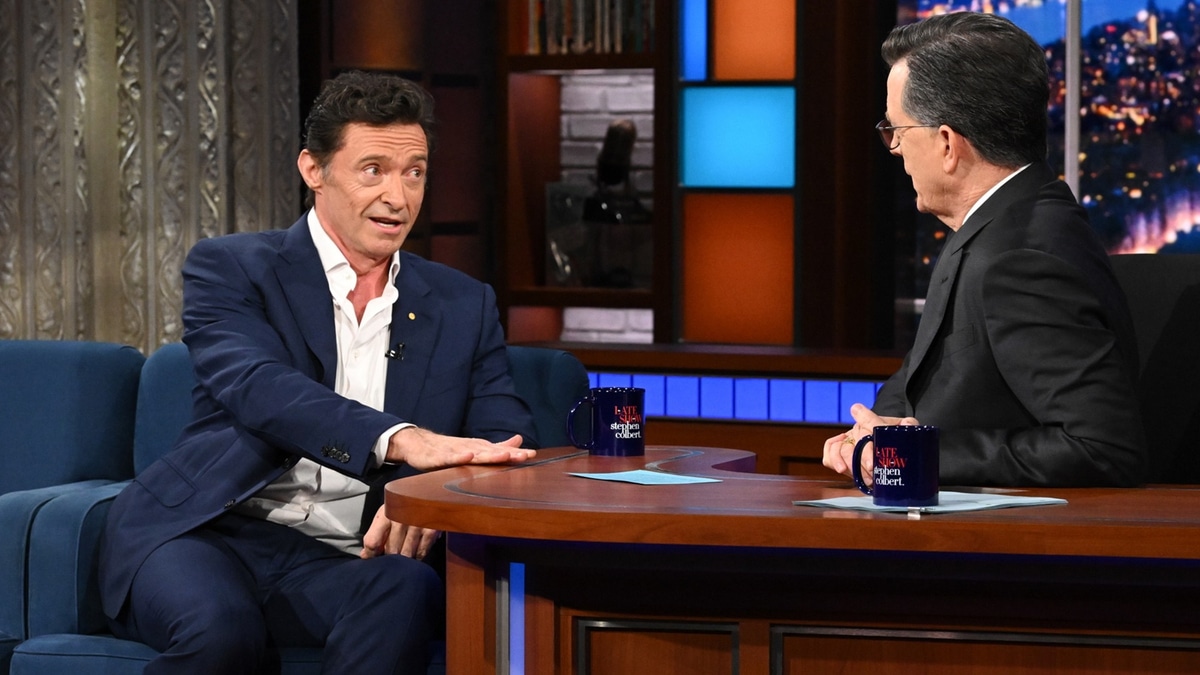
    And then there’s Sutton Foster.

    Alongside Jackman, Foster brings a grounded warmth and sharp emotional clarity that perfectly balances the production. Their chemistry is subtle and natural—it doesn’t demand attention, it earns it. When they sing together, it feels less like performance and more like conversation. They listen to each other, respond to each other, and invite the audience into something that feels genuinely alive.

    The same reaction comes up again and again from those who saw the show: disbelief at how fresh it feels night after night. Even with a musical that’s been staged countless times, Jackman somehow makes it feel new—simply by being fully present in it.

    What gives this return its extra weight is time itself. Eleven years on, his voice carries more texture, his presence more depth. There’s confidence without ego, joy without effort. He’s no longer proving he belongs in musical theater—he’s simply reveling in it.
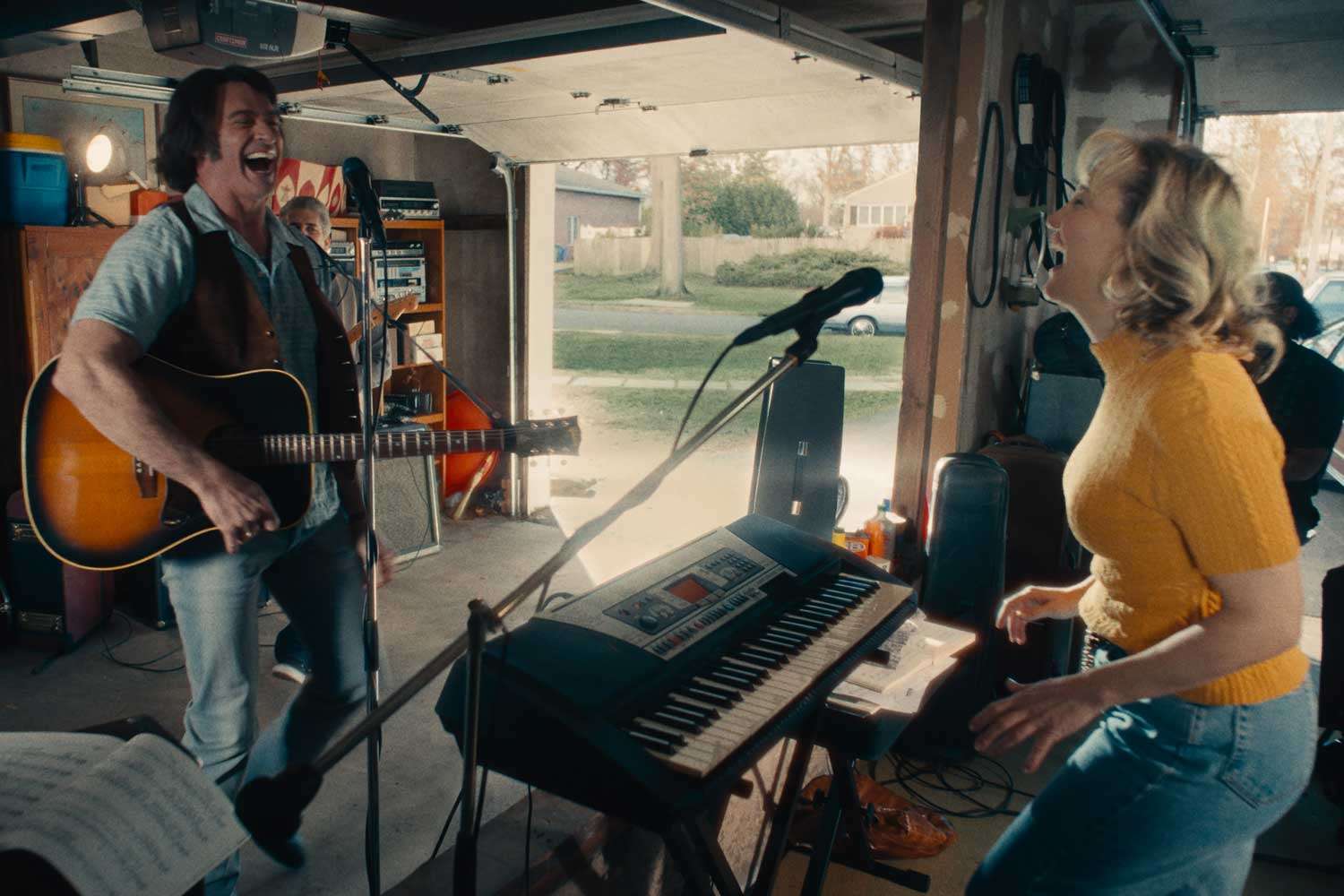
    Between songs, Jackman often flashes a grin or shares a knowing glance with the crowd, as if he’s fully aware of the shared experience unfolding in the room. That connection is part of what sets him apart. He doesn’t perform to the audience. He performs with them.

    By the final curtain call, the applause feels different—not just loud, but appreciative. It’s recognition of dedication, longevity, and a performer who continues to show up with opening-night energy, years into an already legendary career.

    Watching Hugh Jackman sing The Music Man again isn’t about revisiting old glory. It’s about seeing an artist who has grown so fully into his craft that returning feels inevitable.

    Eleven years later, the verdict is simple:

    He’s still extraordinary.
    The performance still resonates.
    And somehow—it all feels even richer than before.

    Share. Facebook Twitter Pinterest LinkedIn Tumblr Email
    Previous ArticleOver 3 Million Eyes Were Glued to the Field — And Every Single One Felt It. When Jamal Roberts stepped onto the turf for the 2026 College Football Playoff National Championship, it wasn’t just a performance — it was a declaration. The stadium went silent, as if holding its breath for the journey carried in his voice. From Mississippi classrooms to the American Idol stage, every challenge, every late-night rehearsal, every moment of doubt led straight here. Roberts sang with control, heart, and a quiet confidence that made the anthem feel bigger than the stadium itself. Every note landed perfectly, letting the music do the work instead of spectacle. By the final line, the crowd erupted, social media blew up, and viewers around the country knew they had witnessed more than a song — they had witnessed a young artist stepping fully into his destiny. No fireworks, no gimmicks — just truth, precision, and the unforgettable weight of a voice meeting the stage it was made for.
    Next Article Ella Langley’s Unplugged “Choosin’ Texas” Turns A Country Hit Into A Goosebump Moment

    Related Posts

    “CONTROL LEFT THE ROOM — AND NEVER CAME BACK.” The second Tim Conway drifted into a sketch, professionalism quietly packed its bags. He didn’t shout. He didn’t rush. He simply stood there, delivering lines so gently they felt harmless — right up until the entire room imploded. From the dentist routine to that infamous elephant story that nearly brought live television to its knees, his calm, unbothered delivery worked like a slow fuse. Discipline vanished. Faces flushed. Breathing became optional. Harvey Korman fought harder than anyone to survive it. Shoulders shaking. Eyes watering. Air gone. He tried to regain control and failed in the most spectacular way possible, dissolving into gasping laughter that turned him into the punchline alongside the audience and half the cast. Tim, of course, never broke. He just kept going — softly, patiently — like none of this was his fault. People still say those moments weren’t just comedy, they were accidents of joy — lightning caught on camera. The kind of laughter that shuts the world down, makes time irrelevant, and reminds you what it feels like to lose control in the best way. Decades later, it still hits just as hard, proving real comedy doesn’t age… it just keeps finding new people to break.

    January 24, 2026

    Broadway Singer Sheyna Gee’s Dream Came True When Gretchen Wilson Joined Her Onstage Without Warning.

    January 24, 2026

    Nicole Kidman Escapes To Antarctica With Her Daughters As Keith Urban’s Post-Divorce Life Turns Red Hot

    January 24, 2026
    Search
    Categories
    • News (4,858)
    Categories
    • News (4,858)
    • Contact Us
    • Privacy Policy
    • Terms of Service
    Copyright © 2026, News24. All Rights Reserved.

    Type above and press Enter to search. Press Esc to cancel.