
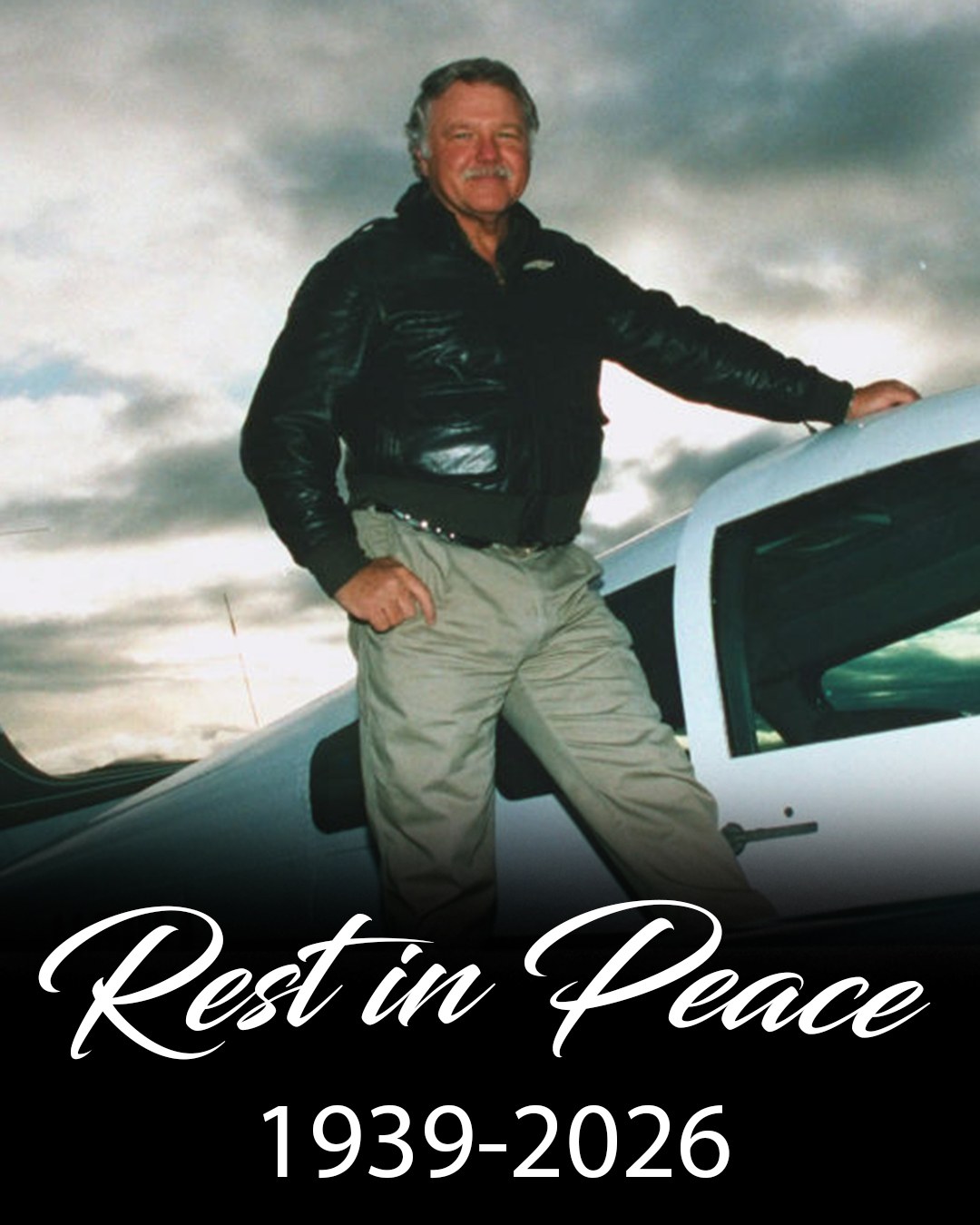
James Gordon “Bo” Gritz, a decorated U.S. Army Special Forces officer whose life blended military heroism, political activism, and national controversy, has died at the age of 87.
His wife, Judy Gritz, said he passed away peacefully on February 27, 2026, at their home in Sandy Valley, Nevada. According to her statement, he died “peacefully, looking into the eyes of our Savior.”
Early Life and Military Service
Born on January 18, 1939, in Enid, Oklahoma, Gritz grew up in a military-influenced environment; his father served in the U.S. Army Air Forces during World War II. He enlisted in the Army in 1957 and eventually completed Officer Candidate School, later joining the elite U.S. Army Special Forces.
During the Vietnam War, Gritz commanded Detachment B-36 of the 5th Special Forces Group, working with Cambodian-Vietnamese MIKE Force units on high-risk operations. Among the missions attributed to his unit was the recovery of a “black box” from a downed U-2 reconnaissance aircraft in Cambodia in 1966.
Over the course of his service, he received numerous military decorations, including three Silver Stars, the Legion of Merit, the Distinguished Flying Cross, two Purple Hearts, as well as multiple Bronze Stars and Air Medals. He retired from the Army in 1979 with the rank of lieutenant colonel.
POW/MIA Advocacy
Following his military career, Gritz became a prominent voice in the movement advocating for information about American prisoners of war and soldiers missing in action from the Vietnam conflict. He organized several private expeditions to Southeast Asia in search of potential evidence of surviving American captives.
These missions drew both praise and criticism. Supporters viewed them as acts of loyalty and determination, while critics questioned the evidence behind the claims. Gritz maintained that his efforts were driven by commitment to fellow servicemen who had never returned home.
Political and Mediation Roles
Gritz later entered politics, running for president in 1992 as the candidate of the Populist Party. His campaign focused on constitutional rights, personal liberty, and limiting centralized government authority.
He also gained attention for his involvement in tense standoffs between federal authorities and armed groups. During the 1992 Ruby Ridge siege in Idaho, he helped facilitate negotiations that contributed to a peaceful surrender. He played a similar mediation role during the Montana Freemen standoff in 1996.
These interventions strengthened his reputation among supporters as someone capable of navigating volatile confrontations.
Cultural Influence
Gritz’s larger-than-life persona extended into popular culture. He is frequently cited as a real-world inspiration for the character John Rambo, portrayed by Sylvester Stallone in the Rambo film series. The association helped shape his image in the public imagination as a rugged and resourceful veteran.
Later Years
In his later decades, Gritz remained vocal about issues related to government authority and constitutional freedoms. He hosted a radio program called Freedom Call and continued public speaking and advocacy while living in Nevada.
He is survived by his wife, Judy, and their four children.
A Complex Legacy
To admirers, Bo Gritz represented courage, loyalty, and a relentless dedication to fellow soldiers. To critics, his political affiliations and associations with militia movements placed him on the fringes of mainstream public life.
His life reflects a broader story about the aftermath of the Vietnam War — a period when military service, national identity, and political activism often intertwined in complicated ways.
Whether remembered primarily as a decorated soldier, a controversial activist, or a blend of both, James “Bo” Gritz leaves behind a legacy that continues to spark debate and reflection in American history.