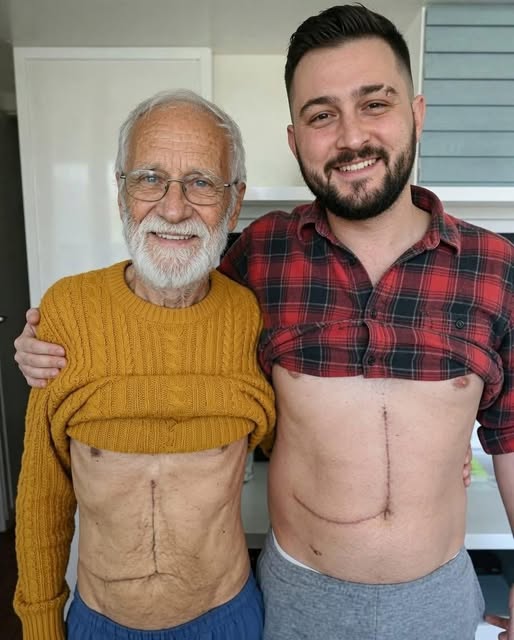
The reality is that the decision to donate a portion of one’s liver is not merely a medical procedure; it is a profound emotional and physical gamble. Because the liver possesses the unique, near-miraculous ability to regenerate, surgeons can safely remove up to sixty percent of a healthy donor’s organ. Within months, both the donor’s remaining portion and the transplanted segment grow back to full function. It is a biological marvel that has turned the tide for thousands of families trapped in the agonizing limbo of transplant waiting lists.
The Weight of the Decision
Before any surgeon picks up a scalpel, the donor must pass a gauntlet of psychological and physical evaluations. This is not just about compatibility; it is about ensuring that the donor is not acting out of guilt, coercion, or a desperate, unexamined impulse. The transplant team acts as a gatekeeper, tasked with the heavy burden of protecting the healthy individual from the inherent risks of major surgery. When the green light is finally given, the operating room becomes a theater of synchronized precision, where two lives are tethered together in a delicate, high-stakes dance of survival.
The Hidden Toll
While the medical community celebrates the success rates, the recovery process is far from trivial. Donors often face weeks of profound fatigue, pain, and a complex psychological readjustment. For the son who gives part of himself to his father, the aftermath can be a mixture of triumph and unexpected trauma. There is the physical healing, which is taxing enough, but there is also the emotional weight of the recipient’s outcome. If the father thrives, the bond is forged in the deepest possible way. But if complications arise—if the body rejects the gift or the recovery falters—the donor is left to navigate a landscape of grief and survivor’s guilt that no amount of medical preparation can fully mitigate.
A Legacy of Compassion
Ultimately, living donation remains one of the most powerful examples of human resilience. It is an act that transcends biology, turning a surgical intervention into a lasting legacy of sacrifice. For those who walk this path, the reward is often found in the quiet moments of recovery: a father’s regained strength, a shared look of understanding, and the knowledge that they did everything within their power to rewrite a loved one’s ending. It is a reminder that while medicine provides the tools, it is the human heart that provides the true miracle of healing.