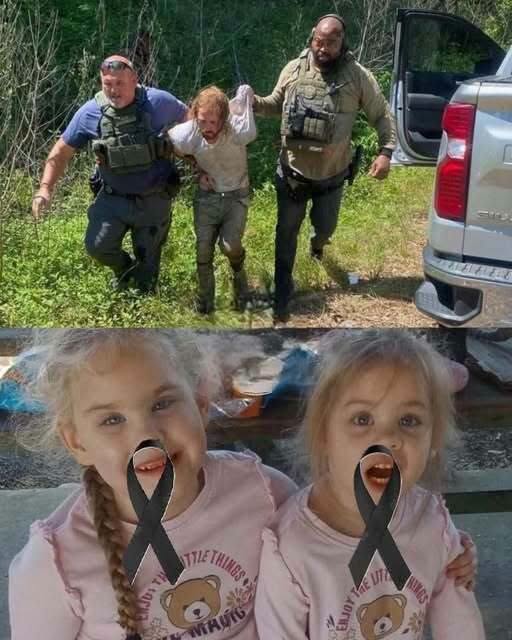
A Moment of Crisis—and the People Who Stepped In
What began as an ordinary day shifted quickly into something that unsettled an entire neighborhood. A young father made a decision that those around him could not ignore. Smoke rising near a parked car drew attention first, then concern, and within moments, people understood that something wasn’t right.
Inside the vehicle were his two young daughters.
There was no time for hesitation. Neighbors moved on instinct—approaching the car, calling out, reaching for help. Someone dialed emergency services. Others stayed close, making sure the situation didn’t worsen before responders arrived. What could have unfolded into something far more severe was interrupted by that immediate, shared response.
By the time emergency crews reached the scene, the children had already been brought to safety.
They were unharmed.
That fact has remained the one point the community continues to hold onto—a quiet relief that sits alongside the confusion of what led to such a moment in the first place.
Authorities have since begun piecing together the circumstances. Early indications suggest that the father was not acting out of simple disregard, but from a place of strain that had gone unaddressed for too long. That context doesn’t excuse what happened, but it does matter in understanding how a situation can reach a breaking point.
There is a line between explanation and justification, and it has to be held carefully.
The children are now in a safe environment while the investigation continues. Mental health professionals have been brought in, both to assess the father’s condition and to ensure the family receives the support they clearly need. What happens next will not be decided in a single moment, but through a process meant to protect those who were most vulnerable.
In the days since, the neighborhood itself has changed in small but noticeable ways. People speak about it quietly, checking in on each other more often, aware now of how quickly something can shift beneath the surface of an ordinary day. There is concern, certainly—but also a recognition that moments like this rarely appear without warning. They build, quietly, until something gives.
The strongest response didn’t come from outrage alone.
It came from action.
From people who chose not to look away when something felt wrong. From those who stepped forward before the situation could turn into something irreversible. Their presence made the difference between fear and loss, between a crisis and a tragedy.
What remains now is not just the memory of what happened, but the question it leaves behind.
How do we notice sooner?
Because while not every situation can be prevented, many can be softened—if strain is seen early, if support is offered before it becomes urgent, if asking for help is treated as strength rather than failure.
There is accountability to face here. That doesn’t disappear.
But alongside it, there is also a reminder—quiet, but necessary—that people rarely reach a breaking point all at once. And when they do, what surrounds them can determine whether the moment deepens… or is interrupted in time.