What Your Nails Can Quietly Reveal About Your Health
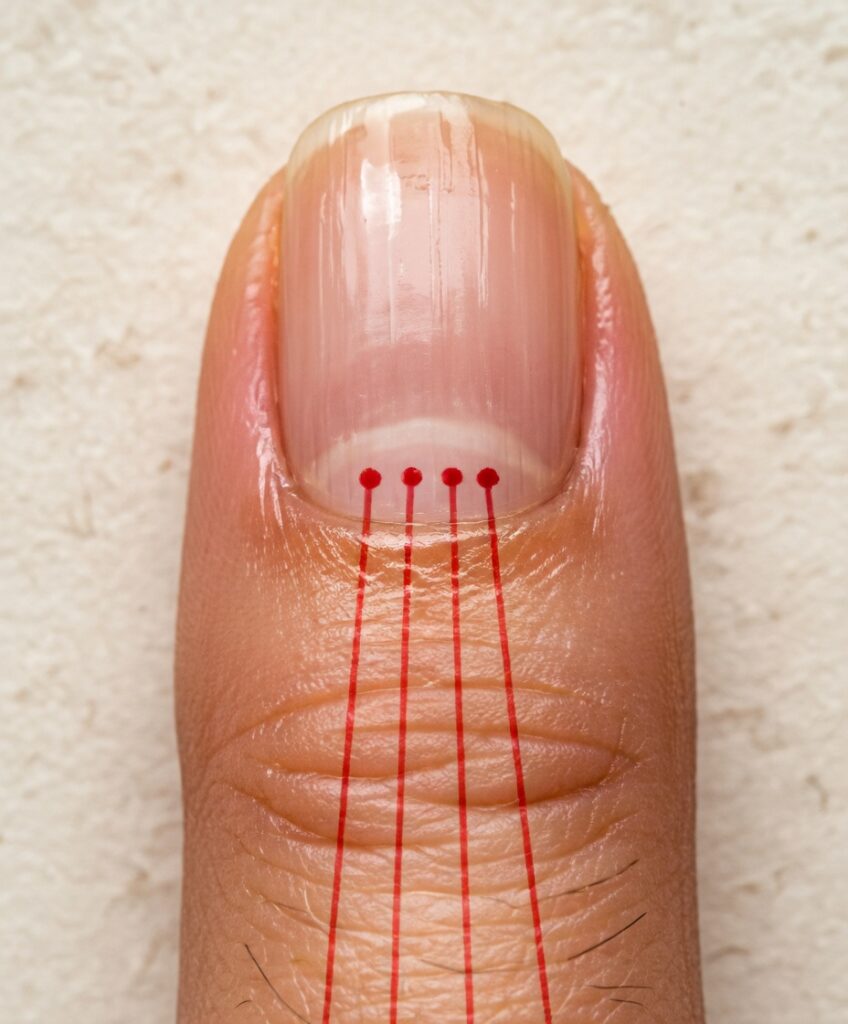
Nails are often seen as cosmetic, but they can reflect underlying patterns in the body. Changes in texture, strength, or appearance sometimes point to shifts happening beneath the surface. One common example is vertical ridging. In many cases, this is a natural part of aging, becoming more visible as the body’s renewal processes slow over time.
However, when changes are more pronounced—such as brittleness, splitting, or thinning—they may be worth paying closer attention to. Nails are made primarily of keratin, a structural protein. When the body lacks what it needs to support that structure, the change often appears gradually rather than suddenly.
Protein and Structural Support
Keratin depends on consistent protein intake. When protein is insufficient, nails may lose strength and become more fragile. Including steady sources such as eggs, fish, poultry, dairy, legumes, and plant-based proteins helps maintain that foundation over time.
Biotin and Stability
Biotin, also known as vitamin B7, plays a role in supporting keratin formation. A balanced intake through foods like eggs, nuts, leafy greens, and certain vegetables can contribute to stronger, more resilient nails. Results are not immediate, but they tend to build with consistency.
Iron and Oxygen Flow
Iron supports how oxygen is delivered throughout the body, including to growing tissues like nails. When levels are low, nails may appear thinner or develop changes in shape or texture. Foods such as lean meats, legumes, seeds, and greens can help maintain balance. When relying on plant sources, combining them with vitamin C improves absorption.
Zinc and Repair
Zinc contributes to cell growth and repair. When intake is insufficient, nail growth may slow, and minor irregularities can become more noticeable. Including sources like seeds, nuts, whole grains, and seafood supports this process quietly over time.
Hydration and Flexibility
Nails that lack moisture tend to become brittle. Hydration, along with healthy fats such as omega-3s, supports flexibility and reduces splitting. This can come from foods like fatty fish, nuts, seeds, and adequate daily water intake.
Time and Consistency
Nails grow slowly. Any improvement, whether from diet or care, follows that pace. Quick changes are rare, and sudden shifts in appearance may deserve closer attention.
If there are deep horizontal ridges, unusual discoloration, or persistent discomfort, it is wise to seek professional evaluation rather than assume a simple cause.
A Quiet Indicator
Nails do not demand attention, but they often reflect what the body is managing. Small adjustments—steady nutrition, hydration, and care—tend to show over time.
Not through sudden change,
but through gradual strengthening that becomes visible if given enough patience.