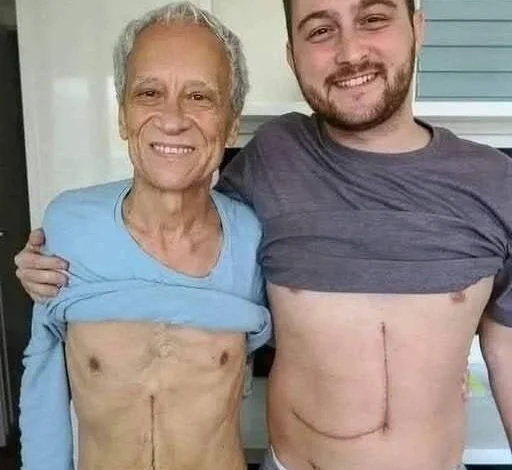
Living liver donation remains one of the most remarkable achievements in modern medicine. In 2026, the procedure continues to offer hope to patients with severe liver disease by allowing a healthy person—often a relative—to donate part of their liver to someone whose life depends on it.
How Living Liver Donation Works
Unlike many organ transplants that rely on deceased donors, living liver donation allows surgery to be planned while both donor and recipient are still alive. This is possible because the liver has a unique ability to regenerate.
During the procedure, surgeons remove a portion of the donor’s liver—sometimes up to about sixty percent—and transplant it into the recipient. Over the following weeks and months, both the donor’s remaining liver and the transplanted segment grow back to nearly full size and function.
This regenerative ability makes the liver one of the few organs in the human body capable of supporting living donation.
Why Living Donation Matters
In many countries, patients waiting for liver transplants face long waiting lists. For individuals with advanced liver disease, time can be critical.
Living donation can significantly shorten that waiting period. Because the surgery can be scheduled once compatibility is confirmed, it often allows treatment before the recipient’s condition becomes life-threatening.
Many donors are close family members—commonly adult children donating to a parent or siblings helping one another.
The Careful Screening Process
Before living liver donation is approved, transplant teams conduct extensive medical and psychological evaluations. Doctors must ensure that:
- The donor is in excellent physical health
- The liver anatomy is suitable for donation
- Blood type and organ compatibility are acceptable
- The donor fully understands the risks and volunteers freely
The safety of the donor is always the top priority.
Once approved, the donor and recipient surgeries are performed simultaneously in separate operating rooms. This coordination helps ensure the transplanted liver segment begins functioning quickly in the recipient’s body.
Recovery and Long-Term Outcomes
Although living liver donation can save a life, it is still a major surgical procedure. Donors typically remain in the hospital for several days and require several weeks of recovery.
Fatigue and discomfort are common during the healing period as the liver regenerates and the body recovers from surgery.
With proper medical care, however, most donors recover fully and return to normal activities. Studies show that the liver can regenerate to near-normal size and function within a few months.
A Unique Act of Generosity
Beyond the medical science, living liver donation is also a profound act of human compassion. For many families, it represents a deeply personal decision to give a loved one a second chance at life.
Doctors often note that donors describe the experience as both challenging and deeply meaningful. For recipients, the transplant can mean freedom from life-threatening disease and a renewed future.
In that sense, living liver donation reflects not only advances in surgical medicine, but also the extraordinary willingness of people to help one another in moments of profound need.