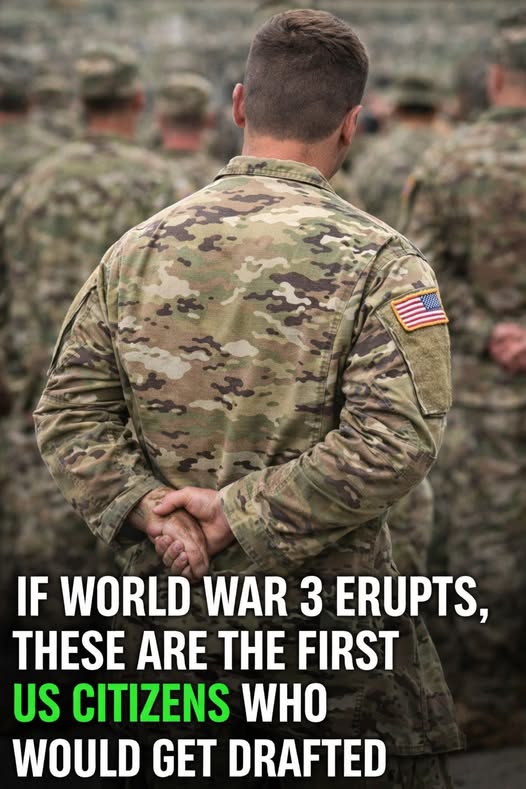
U.S. Military Draft: What Actually Exists Today
As global tensions rise, questions about a possible U.S. military draft tend to resurface. The topic can feel urgent, but it’s often misunderstood. The reality is more structured—and less immediate—than many assume.
No Active Draft—But a System Still Exists
The United States has not used a draft since the end of the Vietnam War in 1973. Since then, the military has operated entirely on volunteers.
However, the legal framework for conscription remains in place through the Selective Service System. This system is maintained quietly as a contingency, not as an active policy.
Who Must Register
Currently, most men aged 18–25 in the U.S. are required to register. This includes:
- U.S. citizens
- Permanent residents
- Refugees and asylum seekers
- Undocumented immigrants
Registration does not mean someone will be drafted. It simply ensures the government has records if a draft were ever authorized.
Some exceptions exist (e.g., certain visa holders or individuals continuously institutionalized), but they are limited.
What’s Changing (2026 Update)
A planned shift toward automatic registration is expected to begin around late 2026. Instead of individuals signing up manually, federal systems would identify and register eligible men automatically.
Important:
This change improves coverage—but does not signal an upcoming draft.
What Would Need to Happen First
A draft cannot begin on its own. It requires:
- Approval from Congress
- Authorization by the President
Only after both steps could the system be activated.
How a Draft Would Work
If reinstated, the process would likely follow a structured path:
- Lottery system → Birthdates randomly selected
- Call-up order → Typically starts with 20-year-olds
- Evaluation → Medical, psychological, and background screening
- Classification → Some are deferred or exempt
Not everyone selected would serve. Many are disqualified due to health, education, or other criteria.
What About Women?
Under current law, only men are required to register.
Including women has been debated but would require new legislation. No such change is in effect right now.
Timeline: Not Immediate
Even after authorization, a draft would take time to implement:
- Notifications issued
- Evaluations scheduled
- Processing and training organized
This means induction would not happen overnight.
What This Means Right Now
- There is no active draft
- The system exists as a backup plan
- Activation would require clear political decisions and time
Final Perspective
The draft is best understood as preparedness, not prediction.
It exists because governments plan for worst-case scenarios—not because those scenarios are certain to happen. Understanding how it works can reduce unnecessary fear and replace speculation with clarity.