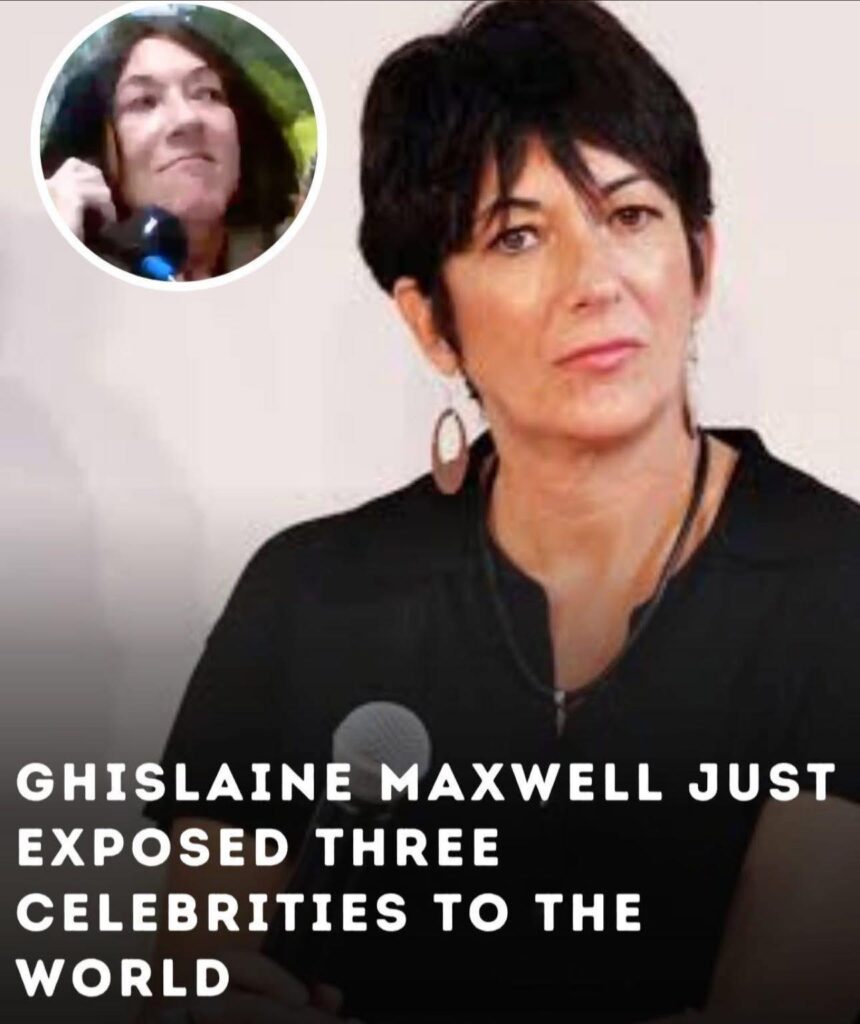
Public debate over the records connected to Jeffrey Epstein has resurfaced repeatedly in recent years, often centered on claims of “hidden lists” or sealed files that allegedly contain explosive names.
Legal scholar and former Epstein attorney Alan Dershowitz has pushed back strongly on those narratives, arguing that the controversy is being misunderstood — and, in his view, mischaracterized.
The Question of a “Client List”
Dershowitz has stated publicly that there is no verified “secret client list” being withheld by political actors. Instead, he says the relevant documents consist largely of investigative materials and sworn affidavits in which alleged victims named individuals.
According to his account, many of those names were redacted under court order to protect accusers’ identities and preserve due process rights.
It is important to note that federal courts — not the executive branch — control the sealing and unsealing of such judicial records. Decisions about redactions, privacy protections, and grand jury secrecy are typically made by judges in the jurisdictions where cases were filed.
Why Judges Seal Records
Sealed records in high-profile criminal cases can involve:
- Protection of victims’ identities
- Grand jury secrecy rules
- Ongoing investigative considerations
- Privacy rights of individuals not charged with crimes
Federal grand jury proceedings, in particular, are subject to strict confidentiality rules under U.S. law. Courts are generally reluctant to release transcripts unless there is a compelling legal justification.
In both New York and Florida, judges have declined broad requests to unseal certain materials tied to earlier investigations into Epstein. Those rulings have fueled public suspicion, even when grounded in procedural standards.
A Broader Trust Debate
The continued sealing of some records has become symbolic for many observers. For critics, it reinforces long-standing concerns about whether powerful individuals receive preferential treatment. For others, it reflects the legal system’s obligation to balance transparency with fairness and victim protection.
Dershowitz argues that many names associated with Epstein have already been reported through civil litigation, media investigations, and published accounts. Still, frustration persists among those who believe additional disclosure would clarify lingering questions.
The Legal Reality
Ultimately, the authority to unseal court documents lies with judges, not political administrations. While executive agencies can request or oppose disclosure, judicial officers determine whether legal standards for release are met.
The debate over Epstein-related records therefore sits at the intersection of:
- Transparency
- Privacy rights
- Institutional trust
- Victim protection
- Due process
These tensions are not unique to this case but are amplified by its notoriety.
An Ongoing Controversy
Years after Epstein’s 2019 death in federal custody, questions remain — about oversight failures, prosecutorial decisions, and systemic accountability.
Whether additional documents will be released depends on future court rulings, appeals, and legal motions — not public pressure alone.
For now, the controversy continues to reflect something larger than one case: a broader struggle over how much transparency the justice system owes the public, and how it balances that demand against the rights of individuals involved.
The debate is likely to persist as long as questions about power, privilege, and institutional trust remain unresolved.