
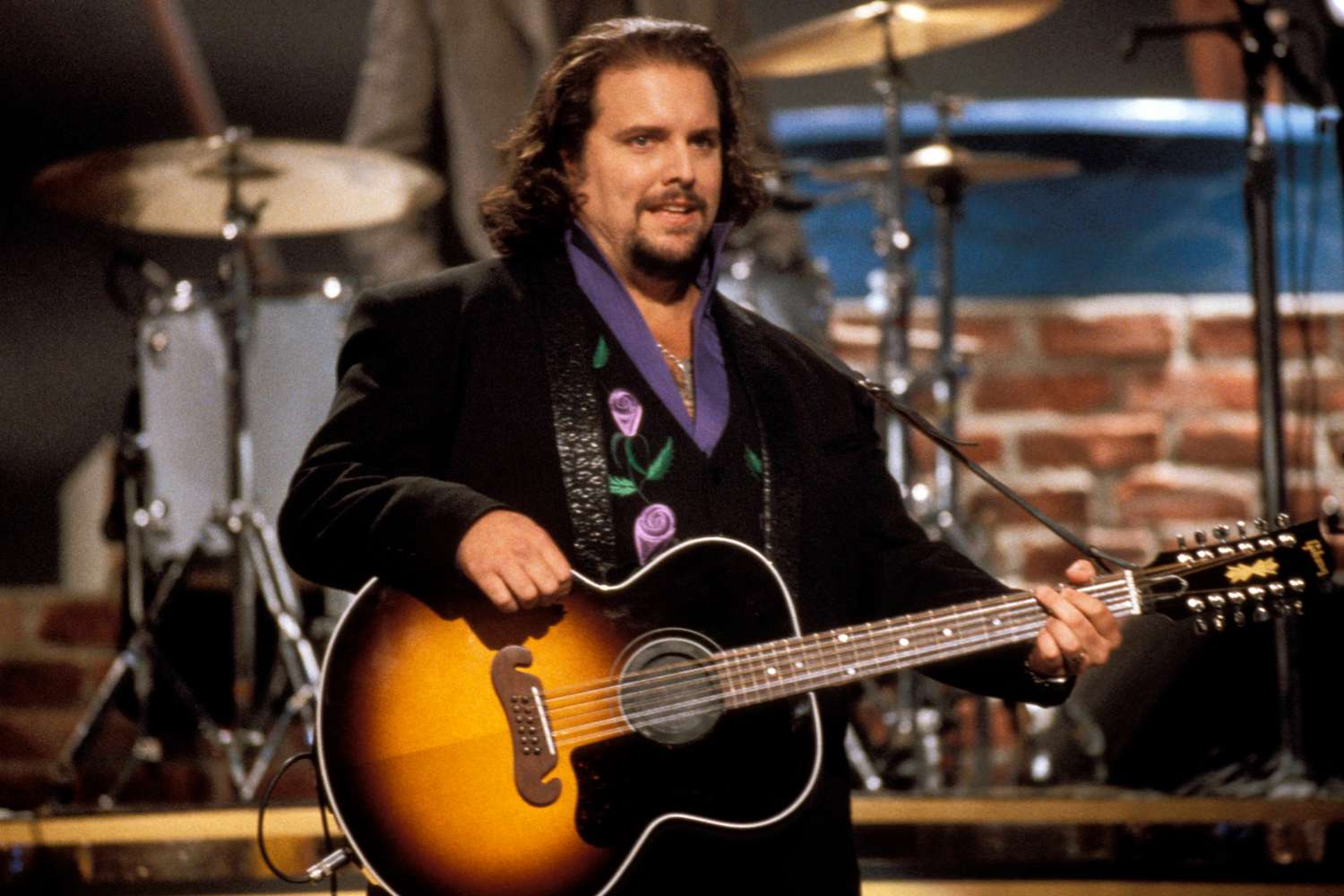
Raul Malo, the powerful voice and magnetic leader of the Grammy-winning band The Mavericks, has passed away at the age of 60. His family confirmed that he died peacefully following a long and courageous battle with stage 4 colon cancer, which later advanced into leptomeningeal disease — a rare and aggressive condition affecting the brain and spinal cord.
The news has rippled through the music world, where Malo was revered for his soaring vocals, commanding presence, and fearless approach to genre. Few singers of his era left such a distinct and lasting imprint.
A Life Shaped by Sound — and by Crossing Lines
Born in Miami to Cuban immigrant parents, Raul Malo grew up immersed in a rich musical mosaic. Boleros, classic rock, Tejano, traditional country, and Latin rhythms filled his early years, ultimately forming the foundation of The Mavericks’ unmistakable sound.
That fusion — equal parts country, Americana, rockabilly, Tex-Mex, and Latin pop — set the band apart. Throughout the 1990s and early 2000s, they earned both critical acclaim and mainstream success with songs like “Dance the Night Away,” “All You Ever Do Is Bring Me Down,” and “Here Comes the Rain.”
At the center of it all was Malo’s voice — warm, romantic, powerful, and instantly recognizable. Through lineup changes and breaks in the band’s journey, he remained the constant force: the songwriter, the singer, the soul.
The Fight No One Saw Coming
In 2024, Malo received the life-altering diagnosis of advanced colon cancer. He underwent surgery and treatment, continuing to write, record, and even return to the stage when possible, refusing to let illness silence his love for music.
Fans watched him perform again — visibly changed, but still unmistakably Raul.
Months later, his condition worsened as the cancer spread to his central nervous system, resulting in leptomeningeal disease, a condition with few treatment options. By mid-2025, tour dates were canceled, and the band asked supporters for prayers and privacy.
Even then, Malo never stopped creating. He continued to write, to sing when he could, and to leave behind voice notes filled with unfinished songs and melodies.
His Final Goodbye
In his final hours, Raul was surrounded by love — his wife Betty, their children, and a small circle of those closest to him. Music played softly as hands were held and goodbyes were shared.
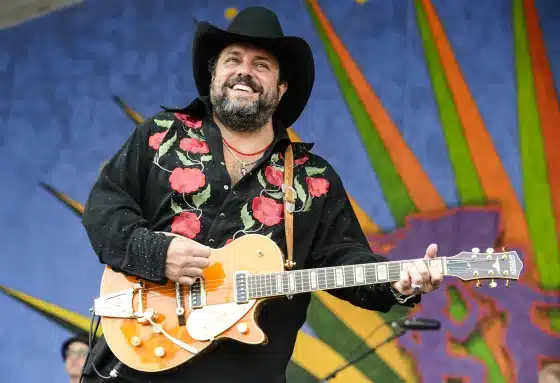
According to his family, one of his last whispered words was simple and unmistakably his:
“Don’t be sad — play the music. Play it loud.”
Through tears, his wife answered:
“We always will.”
A Legacy That Can’t Be Replaced
To fans and fellow musicians alike, Raul Malo was more than a frontman. He was a connector.
Between cultures.
Between eras.
Between tradition and reinvention.
His voice could glide from intimate heartbreak to commanding power in a single breath. He brought mariachi horns into country music, made waltzes feel contemporary, and turned longing into something cinematic.
Many who worked alongside him called him one of the greatest singers of his generation — not just within country music, but across modern music as a whole.
Gone — Yet Forever Here
As tributes continue to arrive from around the world, fans are returning to his songs, letting his voice fill homes, cars, dance halls, and late-night playlists once more.
His family has shared plans for a memorial concert and indicated that unreleased recordings from his final months will be released when the time feels right.
For now, there is a quiet where his presence once stood.
But as one fan wrote:
“Raul Malo never really leaves — because his voice stays.”
And that may be the truest legacy of all.
The music lives.
The love lives.
And somewhere beyond pain, beyond farewell—
Raul is still singing.