
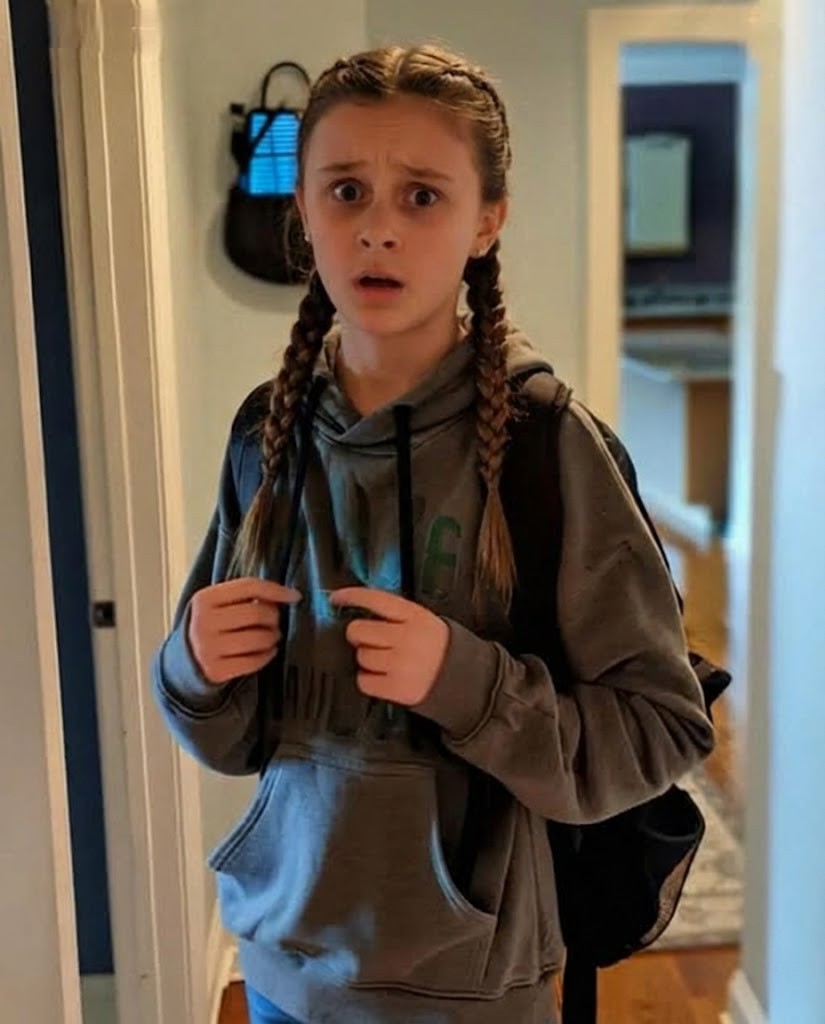
The quiet structure of family trust can feel solid for years, until one moment reveals how fragile it truly is. For this family, that moment came through a simple message from Tessa. It revealed that thirteen-year-old Jordan had spent weeks slipping into a part of life her mother did not know existed. Her mother had believed she was allowing Jordan a natural step toward independence. Instead, she discovered that the overnight bag Jordan carried sometimes led somewhere entirely different than expected. Realizing that her daughter had been lying, calmly speaking on the phone while city traffic hummed behind her, brought a sudden chill. A place once believed safe had become a space of uncertainty.
The source of the secret reached back further than anyone expected. Years earlier, the family had cut ties with Jordan’s grandmother after a painful rupture. The grandmother had once spoken harshly about Jordan’s mother, dismissing her background and choices with cutting pride. Over time, the separation hardened into silence, and her name quietly disappeared from daily conversation. Yet distance does not always erase longing. The grandmother reached out to Jordan privately, presenting herself as someone facing the end of life and hoping to reconnect. Through familiar comforts—old photographs, stories, and promises of warm pie—she formed a quiet bond with the child, asking her to keep it hidden.
When the parents finally confronted the situation, they did not find the imposing figure they had remembered. Instead, they encountered a woman whose strength had faded. The small apartment, filled with medicine bottles and the muted signs of illness, revealed someone facing her own limits. Her confession was simple and difficult at once. She admitted that pride had kept her from asking forgiveness directly, and that reaching Jordan had been her way of touching the family she had lost. The method she chose was wrong, and she acknowledged it. Still, the moment forced the parents to pause. The anger they carried met the reality of a person nearing the end of her strength.
The choice before them was not easy. Love does not make deception right, and Jordan’s willingness to hide the visits needed to be addressed. She was held accountable and grounded, learning that trust must be guarded carefully. Yet the parents also saw that closing the door completely would leave their daughter carrying unanswered questions about a grandmother she clearly cared about.
In the end, they chose a middle path—one that did not erase the past but did not allow it to rule the future either. Visits would happen openly and under their supervision. Clear boundaries were set: no secrets, no emotional pressure placed on Jordan, no attempts to divide the family again. The relationship, if it continued, would have to exist in honesty.
Something changed in the home after that decision. The tension of hidden meetings and quiet suspicions lifted. Jordan could say where she was going without whispering. The grandmother was no longer a shadow at the edge of the family story, but a difficult part of it, approached with caution and clarity.
Sometimes families cannot rebuild what once stood exactly as it was. But when pride softens and truth is spoken plainly, even damaged beams can be used again. What remained was not a perfect reconciliation, but something steadier: a home where the words “I’m going to Grandma’s” could finally be spoken in the open.