
Oregano for Digestive Health: More Than a Kitchen Herb
Best known for brightening Mediterranean dishes, oregano also has a long history in traditional medicine—especially for the gut. Modern lab and clinical research is beginning to explore why. While it’s not a cure-all, using oregano in food, tea, or (with care) as an extract may support a calmer, better-functioning digestive system.
1) May Support Digestion
Oregano’s essential oils appear to stimulate digestive secretions and enzymes, helping break down food and support nutrient absorption. For some people, that translates to less post-meal heaviness, indigestion, or sluggishness—especially after rich meals.
2) Helps Keep Harmful Gut Microbes in Check
Carvacrol—one of oregano’s main compounds—has well-documented antibacterial activity in test-tube studies, including against strains like E. coli and Salmonella. Unlike broad, harsh antimicrobials, culinary amounts won’t “wipe out” your microbiome; they simply add a gentle, food-based nudge toward balance.

3) Soothes Irritation
Oregano contains thymol and rosmarinic acid, both with anti-inflammatory and antioxidant properties. Regular culinary use or oregano tea may help calm mild irritation in the upper GI tract and support the stomach lining.
4) Gas & Bloating Relief
Traditionally used as a carminative (gas-relieving herb), oregano can help relax smooth muscles in the GI tract. A warm cup of oregano tea after meals is a time-honored way to ease bloating and trapped gas.
5) Concentrated Oil: Targeted Help (Use Carefully)
Oregano essential oil (a concentrated extract) has attracted interest for its activity against certain parasites and yeasts (e.g., Candida albicans) in lab and small human studies. Because it’s potent and can irritate tissues, it must be diluted and used short-term, ideally with guidance from a clinician knowledgeable about herbal supplements.
6) Gentle Detox Support & Immune Back-Up
Your stomach and gut are front-line defenders. Oregano’s polyphenols and essential oils offer antioxidant support and may help your GI immune defenses handle everyday dietary exposures, contributing to a healthier environment for nutrient absorption.
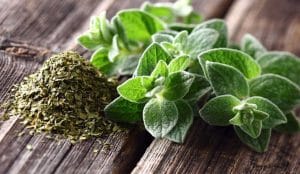
Simple Ways to Use Oregano for Your Stomach
-
In your cooking:
Sprinkle dried oregano on roasted vegetables, fish, beans, tomato sauces, or add fresh leaves to salads and dressings. Culinary use is the safest, most sustainable way to benefit. -
Oregano tea:
Steep 1 tsp dried oregano (or 2 tsp fresh) in 1 cup hot water for 5–10 minutes. Strain. Sip after meals for bloating or indigestion. (Optional: add lemon or a touch of honey.) -
Oregano oil (only if appropriate):
Choose an enteric-coated capsule or dilute liquid oil per label directions (often 1–2 drops in carrier oil, not water). Short courses only (e.g., up to 2 weeks), and consult a healthcare provider first.
Smart Safety Notes
-
Avoid or get medical advice first if you:
-
Are pregnant or breastfeeding (oregano oil is not recommended).
-
Have known allergies to mint family plants (Lamiaceae: basil, mint, sage, thyme).
-
Have GERD or sensitive stomach—oregano oil can be irritating.
-
Take blood-thinners, diabetes meds, or have upcoming surgery (possible interactions).
-
-
Not a substitute for care:
Persistent pain, black stools, vomiting blood, unintentional weight loss, fever, or symptoms lasting >1–2 weeks warrant medical evaluation.
As part of a balanced diet, oregano is a flavorful, low-risk way to support digestion, temper gas and bloating, and back up gut defenses. Keep the oil for targeted, short-term use with professional guidance; keep the herb in your kitchen for everyday, gentle support.