State Visit Blends Formal Diplomacy With Quiet Signals
Donald Trump and Melania Trump are hosting King Charles III and Queen Camilla for a four-day state visit in the United States, drawing attention not only to policy discussions but also to the smaller, human moments that unfold alongside them.
The royal couple arrived at the White House to a formal welcome—photographs, greetings, and a walk across the grounds. During the tour, Melania Trump introduced a beekeeping project she recently launched, a detail that quietly emphasized environmental awareness within an otherwise ceremonial setting.
Small Exchanges, Close Attention
As often happens during high-profile visits, brief interactions have drawn disproportionate attention.
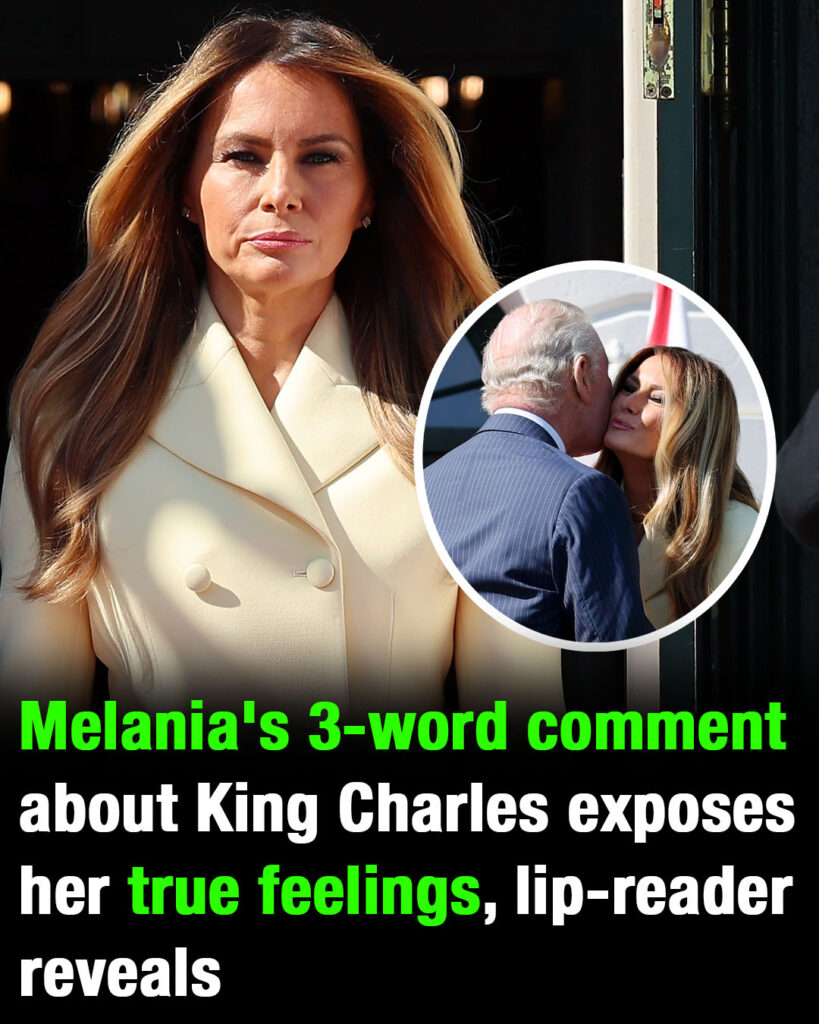
According to lip-reading analyst Jeremy Freeman, a short exchange between Melania Trump and King Charles suggested a polite familiarity. As he greeted her, she reportedly responded with a composed expression of pleasure at meeting him again.
The moment itself was simple. The reaction to it was not.
In an era where every gesture is examined, even routine politeness can be interpreted as meaningful. Sometimes it is. Sometimes it is simply what it appears to be—a respectful exchange between two public figures accustomed to formality.
Familiarity Built Over Time
This meeting follows earlier interactions between Melania Trump and the British royal family, including a prior visit to the United Kingdom where she appeared alongside Catherine, Princess of Wales.
During that occasion, observers noted a lighter moment when King Charles made a remark about her hat, easing the atmosphere. These small instances tend to matter less for what is said, and more for what they reflect—ease, or at least the ability to maintain it in public.
Protocol and Perception
Some attention has also focused on the absence of traditional gestures such as bowing.
In modern diplomatic settings, such gestures are not required. What appears unusual to the public is often simply a reflection of evolving norms rather than a break from them.
Still, perception carries its own weight. People tend to read intention into form, even when the form has already changed.
The Discipline Behind the Image
State visits are carefully structured, but they are never entirely controlled. There are always moments that slip beyond prepared remarks—brief exchanges, subtle reactions, small details that reveal something more human beneath the formal layer.
These moments do not define diplomacy, but they shape how it is received.
The balance is delicate: to remain open without saying too much, to be present without becoming the story.
Final Reflection
Public attention often gravitates toward what is fleeting—a glance, a phrase, a gesture. Yet the substance of diplomacy rests elsewhere, in decisions made away from cameras and conversations not meant for analysis.
What remains visible, however, is the tone.
And tone, when steady, can do quiet work—holding space for cooperation even when the wider world feels uncertain.