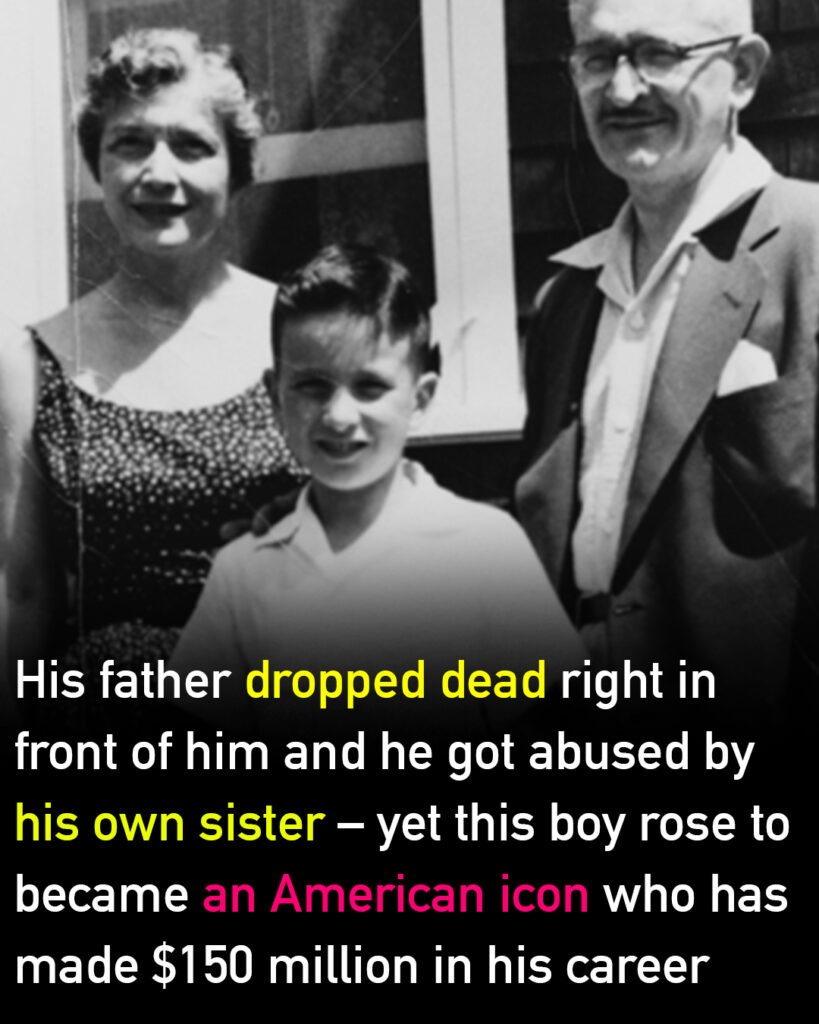
Some lives don’t follow a steady rise—they fracture, collapse, and somehow rebuild into something lasting. The story of Don McLean is one of those rare journeys where pain didn’t just shape the person—it became the very language of his art.
Long before the fame, before the stadiums and the millions of records sold, there was a childhood marked by instability and fear. McLean has spoken openly about the violence he endured growing up—how conflict and physical punishment were part of daily life. Even within his own family, there was no refuge. His older sister’s struggles with addiction added another layer of chaos, something he later described as a “dreadful, ugly secret” that shadowed his early years.
Yet even those experiences, as difficult as they were, weren’t the moment that truly broke him.
That came when he was just fifteen.
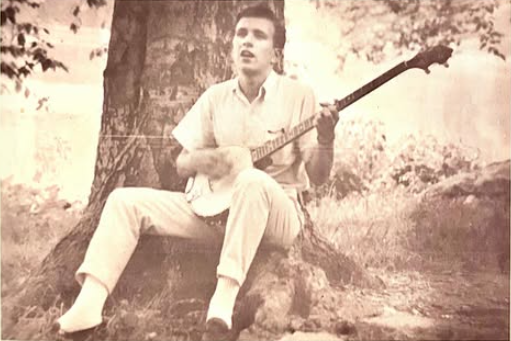
His father—his anchor, his sense of stability—collapsed and died in front of him. The loss was sudden, disorienting, and impossible to process. For a teenager already navigating a fractured home, it wasn’t just grief—it was a complete unraveling of the world as he knew it.
“I cried for two years,” he later admitted.
And more than grief, there was guilt. A sense—irrational but deeply felt—that somehow he had known it was coming and failed to stop it.
That kind of pain doesn’t disappear. It lingers. It reshapes how a person sees everything.
For McLean, it found an outlet in music.
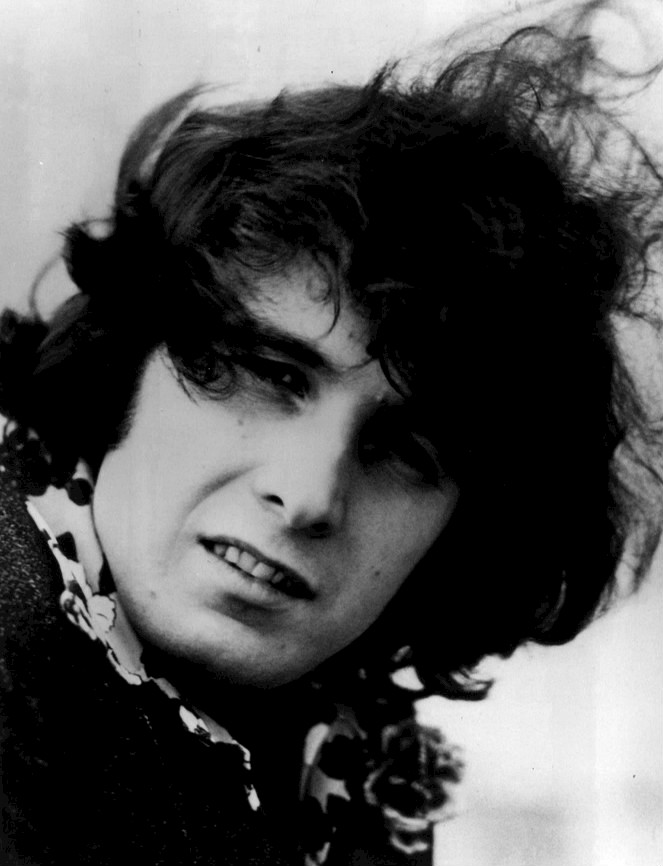
Because of asthma, he spent long stretches away from typical school life. Instead, he turned inward—learning guitar, training his voice, developing a control over breath that would later become one of his defining traits. That discipline allowed him to sing long, uninterrupted phrases with emotional precision—something listeners would come to recognize instantly.
But talent alone wasn’t enough.
Before anyone heard his voice on the radio, he faced rejection after rejection—more than seventy times. Labels passed on him. Opportunities slipped away. For most people, that would have been the end.
For him, it was just another chapter of endurance.
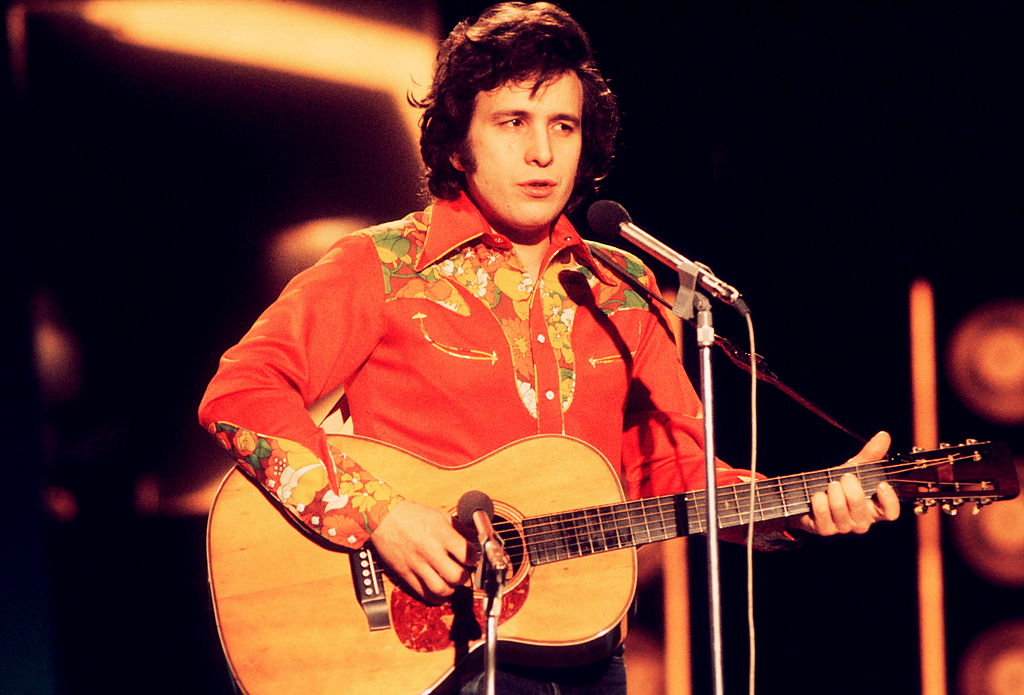
When his debut album Tapestry finally came out in 1969, it didn’t explode overnight. It was noticed, appreciated, but not yet transformative. The real shift came two years later, when he recorded a song that would change everything.
That song was American Pie.
It wasn’t just a hit—it was something larger. A sprawling, almost surreal narrative that blended personal memory with cultural reflection. Inspired in part by the death of Buddy Holly, the song expanded into something far more layered—a meditation on loss, change, and a country in transition.
McLean once described it as a “rock’n’roll dream sequence,” but even that feels too small for what it became.
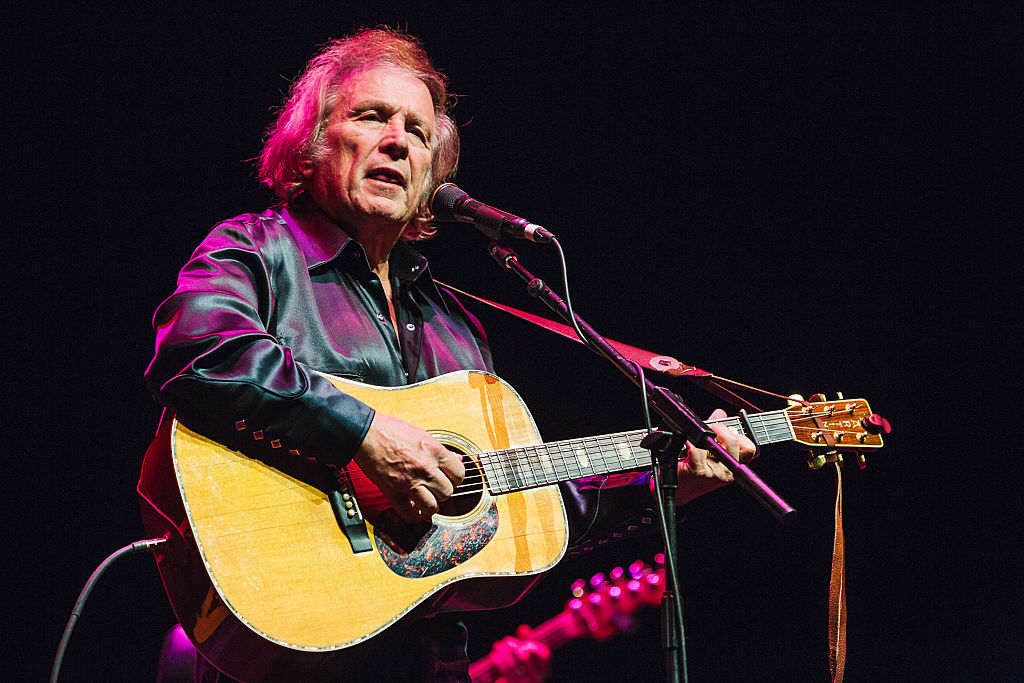
Listeners didn’t just hear it—they tried to decode it, live inside it, find themselves somewhere in its shifting imagery. It reached number one, sold millions, and turned him into a global name almost overnight.
And yet, even at the height of that success, the contradictions in his life remained.
His personal relationships were often strained, shaped perhaps by the same emotional intensity that fueled his music. His marriages ended in divorce. Later in life, controversies and accusations added complexity to how people viewed him—not just as an artist, but as a person.
It’s the uncomfortable truth behind many legacies: brilliance and turmoil often exist side by side.
McLean himself has pushed back against some of those narratives, pointing to his own past and insisting he tried to break the cycle he grew up in. Others, including family members, have told different stories. The full picture remains layered, unresolved, and human.
But what remains undeniable is the impact of his work.

Songs like “Vincent,” inspired by Vincent van Gogh, reveal a sensitivity that goes beyond performance—an ability to step into another person’s pain and translate it into something universal. His music doesn’t just tell stories; it carries emotion in a way that feels lived, not imagined.
And that may be the thread that connects everything.
Because the same boy who grew up feeling judged, hurt, and unseen became a man who could write songs that made millions feel understood.
That transformation doesn’t erase the past.
But it does give it meaning.
Today, Don McLean stands as a figure defined by both triumph and contradiction—a songwriter who turned private suffering into public art, who captured something “almost unspeakable” and gave it a voice.
His legacy isn’t simple.
But it endures.
Because somewhere inside every note of his music, there’s still that fifteen-year-old boy—grieving, searching, and trying to make sense of a world that changed too quickly.
And somehow, through song, he did.