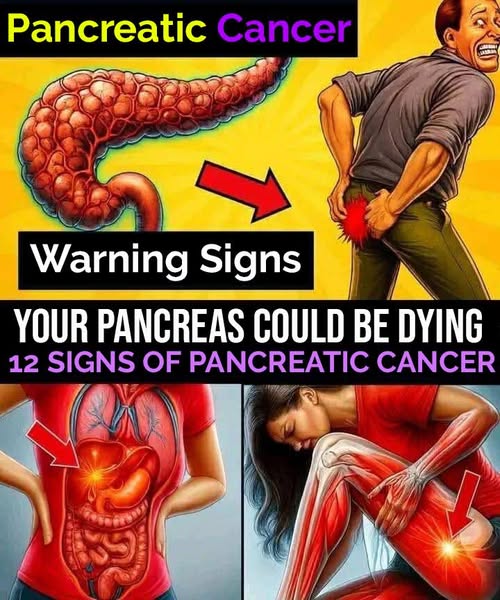
…diagnosis. Because pancreatic cancer is frequently labeled a silent threat, understanding its early warning signs is not just a matter of medical curiosity—it is a vital act of self-preservation. While symptoms can vary depending on whether the tumor develops in the head, body, or tail of the pancreas, there are consistent red flags that demand your immediate attention.
Listen to Your Body’s Subtle Signals
One of the most frequent indicators is persistent pain in the abdomen or back. It often starts as a dull, intermittent ache that seems to intensify after eating. Many people mistake this for indigestion or muscle strain, but when that discomfort becomes a constant companion, it is time to seek professional guidance. Another hallmark symptom is jaundice—the yellowing of the skin and eyes. This occurs when a tumor obstructs the bile duct, causing bilirubin to build up in the system. It is a visual distress signal that your body is struggling to process waste effectively.
Digestive Disruptions and Unexplained Changes
The pancreas is essential for producing the enzymes that break down your food. When it is under siege, your digestion will inevitably suffer. Keep an eye out for unexplained weight loss, even if your appetite remains unchanged. Furthermore, look for changes in your bathroom habits; oily, foul-smelling, or floating stools (steatorrhoea) can indicate that your body is no longer absorbing nutrients properly due to a blocked pancreatic duct. These digestive issues are often dismissed as simple dietary sensitivities, but they are frequently linked to the pancreas’s inability to function.
The Hidden Indicators
Sometimes, the signs are not digestive at all. A sudden, unexplained onset of diabetes in an individual with no prior history can be a significant indicator that the pancreas is failing. Other systemic symptoms include persistent fatigue, recurring fevers, shivering, and intense skin itching caused by jaundice. In some cases, the body may signal trouble through the formation of blood clots, such as deep vein thrombosis, which can be an early, albeit frightening, warning sign.
Taking Action for Your Health
While the exact causes of pancreatic cancer remain complex and often unclear, we know that risk factors like smoking, obesity, age, and family history play a role. The tragedy of this disease is that it is often caught too late, but you have the power to change the narrative. If you find yourself experiencing persistent, unusual changes in your health, do not wait for them to resolve on their own. Dignity in health means listening to your body when it whispers, rather than waiting for it to scream. Consult a medical professional, advocate for your own well-being, and never ignore the persistent signals that something isn’t right. Your vigilance is your greatest defense.