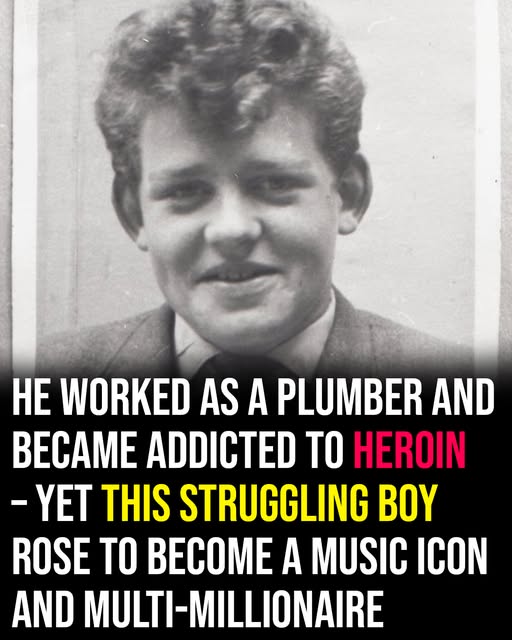
From Sheffield to the World: The Steady Rise of Joe Cocker
Joe Cocker’s path to recognition was not sudden or smooth. It began in the working-class streets of Sheffield, where life was shaped more by necessity than ambition. Factories defined the skyline, and for most, stability mattered more than dreams.
Born John Robert Cocker, he grew up in a household that valued discipline and effort. His father served in the Royal Air Force, while his mother kept the home steady. At sixteen, Cocker stepped into working life as an apprentice gas fitter—an ordinary path, with little sign of what would follow.
Yet music stayed close.
The Years No One Sees
Even while working, he spent evenings performing in small pubs. These weren’t moments of recognition—they were quiet repetitions. Sparse crowds, modest stages, little reward. But he kept returning. Not because success was near, but because the work itself had meaning.
In 1964, he recorded a cover of I’ll Cry Instead with Decca Records. It passed largely unnoticed. For many, that would have been enough to stop. For him, it became another step in learning endurance.
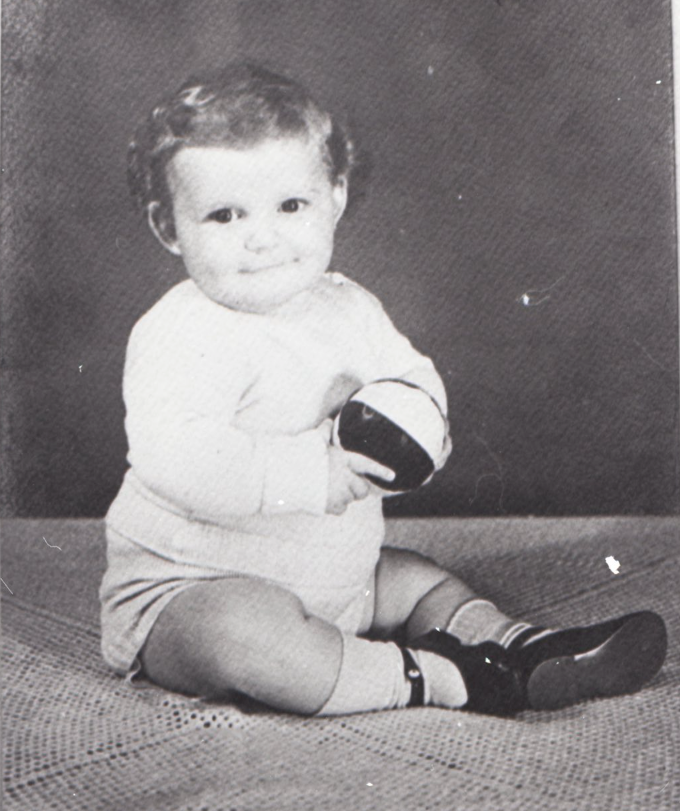
When Something Finally Connects
Everything shifted in 1968 with his version of With a Little Help from My Friends. It wasn’t just a cover—it was a reinterpretation. He stripped it of polish and gave it weight, turning a familiar melody into something raw and personal.
The song reached a wider audience. Not because it followed expectation, but because it felt honest.
Woodstock and the Weight of Presence
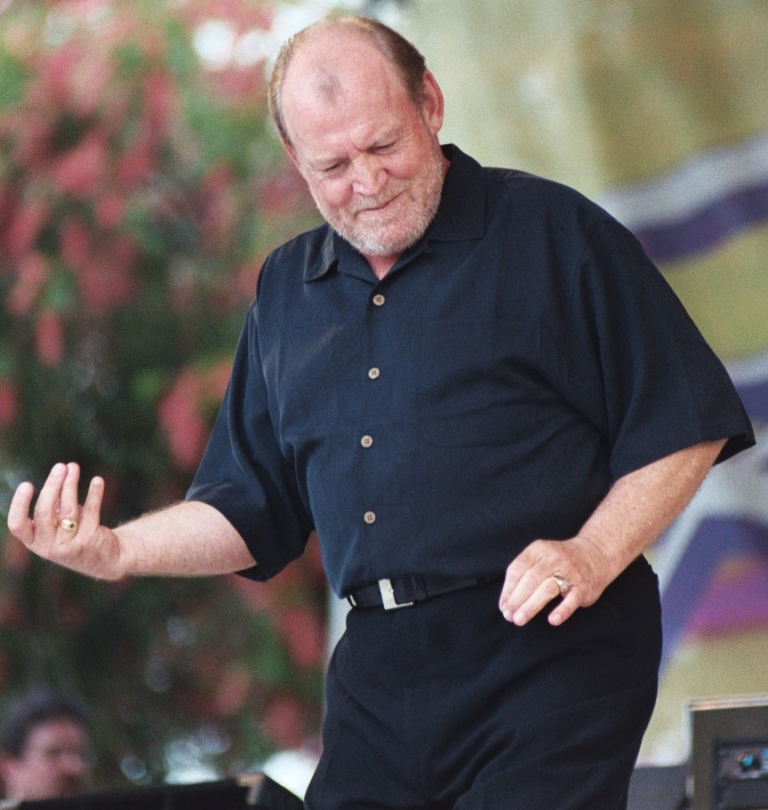
In 1969, his performance at Woodstock carried that same intensity. It wasn’t controlled or refined. It was expressive, almost uncontained. His movements, his voice—everything seemed driven by the moment rather than rehearsed for it.
That performance stayed with people. Not because it was perfect, but because it wasn’t.
The Cost of the Climb
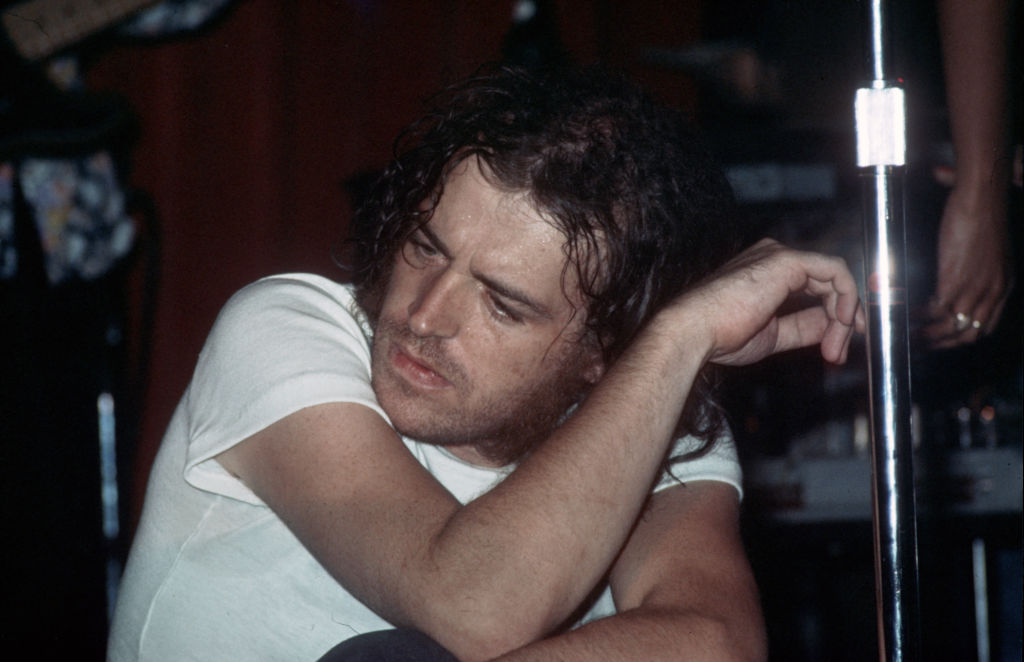
Recognition brought pressure. Touring, expectations, and the pace of public life took their toll. There were periods where his direction became unclear, where personal struggles overshadowed his work.
But he didn’t disappear.
Songs like You Are So Beautiful reminded listeners of the depth he carried. Later, Up Where We Belong reached a new generation, showing that his voice could still meet the moment.
A Quiet Stabilization
His marriage to Pam Baker in 1987 marked a turning point—not in fame, but in balance. The turbulence that once defined parts of his life began to settle. He returned to his work with more clarity, less noise around it.
Albums like Unchain My Heart and Have a Little Faith showed a consistent truth: he didn’t need reinvention. He needed only to remain aligned with what he had always been.

What Endures
Joe Cocker passed away in 2014 after illness, closing a life that never followed a straight path. His later induction into the Rock and Roll Hall of Fame confirmed what had long been evident.
But recognition was never the core of his story.
What remains is something quieter. A voice shaped by effort, by difficulty, by refusal to step away when things didn’t work. He didn’t rely on image or precision. He relied on feeling—and that carried him further than certainty ever could.
Final Reflection
Some artists are remembered for what they achieved. Others for how they carried themselves through what they faced.
Joe Cocker belongs to the second kind.
His work wasn’t about perfection. It was about presence—showing up, again and again, until something real could be heard.