
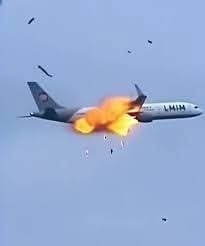
ant, a wound shared by strangers across continents. It is a tragedy that defies the comfort of logic, turning the mundane act of travel into a harrowing reminder of how quickly the world can shift from routine to ruin.
In the harsh, unforgiving glare of emergency lights, first responders moved through a landscape of wreckage that, only hours earlier, had been a quiet cabin filled with the hum of engines, the laughter of sleeping children, and the whispered plans of travelers heading home. Now, that same space is a graveyard of fragments—shattered metal, personal effects, and the heavy, suffocating silence of a journey that never reached its destination. Investigators are currently sifting through the debris, hunting for the black box and the digital breadcrumbs that might explain how an ordinary flight turned into a nightmare.
For the families waiting in airport lounges and living rooms, the world has stopped. They cling to their phones, refreshing news feeds with trembling hands, bargaining with the silence that follows the initial shock. Some hold onto the thin, frayed thread of improbable hope, praying for a miracle that the physics of the crash makes impossible. Others have already begun the long, agonizing process of bracing for the call that will permanently alter their lives. They are not just grieving for the passengers; they are grieving for the futures that were extinguished in a single, violent moment.
Around them, a shaken world is forced to confront the terrifying fragility of the routines we take for granted. We board planes with a sense of security, trusting in the seatbelt click, the pilot’s voice, and the casual goodbye at the gate. We assume that the arc of our day will be completed as planned. This disaster strips away that illusion, leaving us to grapple with the reality that life is often held together by nothing more than luck and the grace of a steady sky.
Answers will eventually come. They will arrive in the form of cold, sterile reports, technical hearings, and long-winded investigations that dissect every mechanical failure and human error. But for those left behind, these answers will never feel sufficient. No amount of data can fill the empty chairs at dinner tables or quiet the ache of a life cut short. The wreckage will be cleared, the runways will reopen, and the planes will continue to fly, but the absence left by these 244 souls will remain a permanent, aching scar on the hearts of those who loved them.