
Automatic Draft Registration: What’s Changing—and What It Really Means
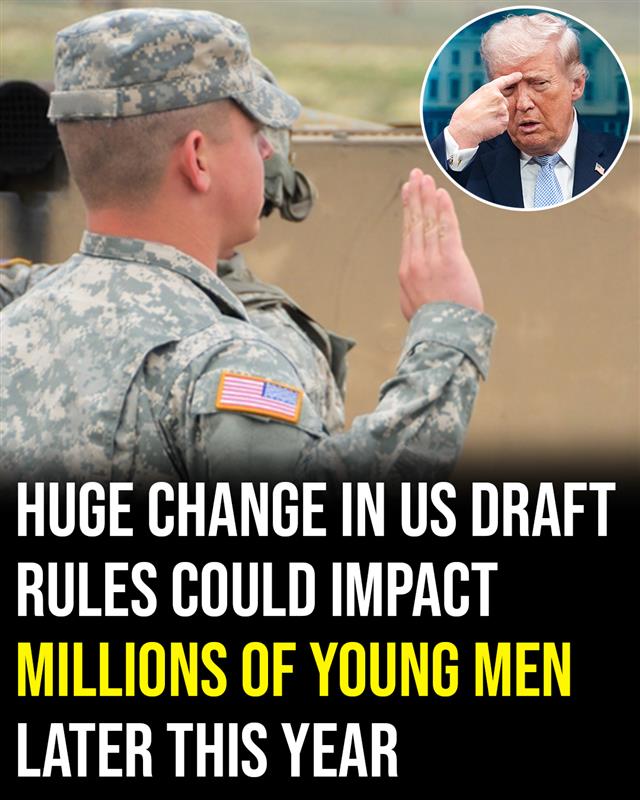
A quiet but significant shift is underway in how the United States handles draft registration. It’s not about bringing back the draft—but it does change how millions of young men are entered into the system.
A Structural Change, Not a New Policy
Right now, men aged 18 to 25 are required to register themselves with the Selective Service.
Under the proposed update, that step disappears.
Instead of individuals signing up, the government would automatically register eligible men using existing federal data. The goal is simple: remove the manual process and make registration consistent nationwide.
The plan is already moving through official channels, with a target rollout by December 2026.
Why This Is Happening
Registration rates, while still high, have slightly declined.
From 84% to 81% in a year.
That might not sound dramatic, but for something tied to national systems, even small drops matter. Officials see automation as a way to eliminate gaps completely.
It also reduces the need for reminders, campaigns, and enforcement.
In short—less friction, more coverage.
What Doesn’t Change
This is important.
There is no active draft.
And there are no immediate plans to reinstate one.
The U.S. hasn’t used a draft since the Vietnam War. That remains unchanged.
Registration is simply a database—essentially a list that could be used if a draft were ever required.
Why Some Support It
Supporters argue this is just modernization.
No missed registrations. No penalties for forgetting. No uneven systems between states.
It also saves money and shifts focus away from administrative work toward actual military readiness.
From that perspective, it’s efficiency—not escalation.
Why Others Are Cautious
At the same time, timing matters.
Global tensions are higher than they’ve been in years, and any change tied to military systems naturally raises questions.
For some, automation feels less like convenience and more like preparation.
Even if no draft is planned, the system becomes tighter, faster, and more ready.
That alone changes how people perceive it.
The Real Takeaway
This update doesn’t mean a draft is coming.
But it does mean the system behind it is becoming more streamlined and automatic.
Less visible.
More complete.
And ultimately, more controlled by the government rather than the individual.
Final Thought
Sometimes the biggest changes aren’t loud.
They don’t announce themselves as major shifts.
They adjust the structure quietly—until one day, things simply work differently than before.
💬 Do you see this as a practical upgrade—or something that hints at larger future intentions?