A School, A Blast, and the Weight of Uncertainty
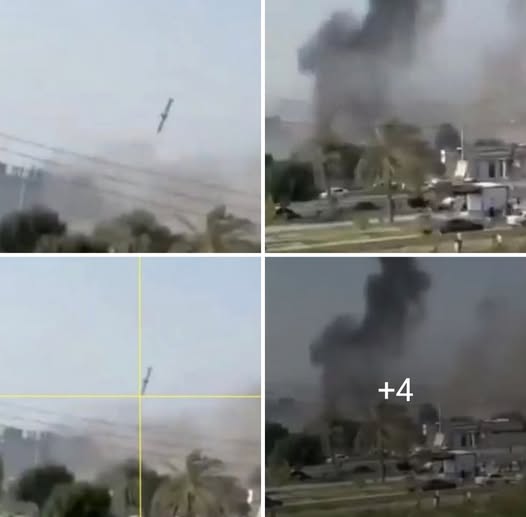
In early March 2026, the city of Minab in Iran’s Hormozgan Province became the site of a deeply unsettling incident. During regular school hours, an explosion occurred near a girls’ school—an environment typically defined by routine and safety. In a moment, that sense of normalcy was replaced by disruption and fear. For the families in Minab, the event did not remain abstract or distant; it entered directly into their daily lives, altering how they now understand places once considered secure.
The blast caused visible damage to the surrounding area and immediate confusion among those present. Witnesses described broken glass, rising smoke, and students leaving the building in distress. Emergency responders arrived quickly, moving through difficult conditions to reach those affected. While details continue to emerge, it is clear that students were among those injured and required medical attention . Beyond the physical impact, the event introduced a deeper disruption—the loss of confidence in a space meant to protect and educate.
In the absence of confirmed information, speculation began to circulate rapidly. Some reports suggested the involvement of specific military equipment, including references to long-range systems. However, such claims remain unverified. Determining the cause of an explosion requires careful forensic work—examining materials, patterns, and technical evidence. Until that process is complete, assigning a specific origin risks moving ahead of what can be responsibly established.
This uncertainty has drawn broader attention. Incidents involving civilian spaces—especially schools—carry implications beyond their immediate location. International observers have emphasized that educational environments are protected under established norms, regardless of political or military context. The presence of children at the time of the explosion has reinforced calls for a clear and transparent investigation.
At the local level, the concerns are more immediate. Families are focused on recovery, safety, and what comes next. Questions remain about whether the school can reopen soon or if students will need alternative arrangements. At the same time, the emotional impact cannot be overlooked. Experiences of sudden violence, especially in familiar environments, can leave lasting effects that require time and support to address.
The spread of unverified information has added another layer of difficulty. In moments like this, rapid conclusions can shape perception before facts are established. Analysts continue to stress the importance of measured understanding—allowing investigations to proceed without external pressure or premature certainty.
As officials continue their work, the central issue remains unchanged: a civilian space was disrupted, and those most affected were individuals who had no role in the circumstances surrounding it. Whether the cause proves to be accidental or intentional, the responsibility now lies in establishing truth with care, and in restoring, as much as possible, a sense of safety for those impacted.
For the people of Minab, resolution will not come from speculation, but from clarity. And until that clarity is reached, what remains is a shared awareness—that stability, once assumed, now requires rebuilding with greater attention than before.