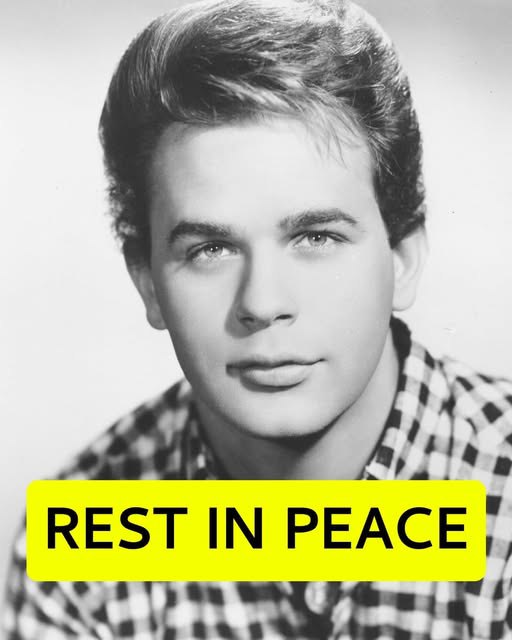
The moment was small, but it stayed with him. In a modest school setting in Pennsylvania, a shy first-grader stood up to sing “Away in a Manger.” When he finished, the applause that followed was more than encouragement—it was a first experience of being heard, of realizing that a voice could reach beyond itself. For Lou Christie, that moment would quietly shape everything that came after.
Long before he became known to audiences, Christie was Lugee Sacco, a working-class child who found structure and expression through music. Church choirs introduced him to harmony and discipline, while early performances gave him a sense of connection that extended beyond his immediate surroundings. What began as participation gradually became direction, as he moved from simply singing to understanding what it meant to perform.
As popular music evolved, Christie developed a style that set him apart. His use of falsetto—unusual for the time—was not a novelty but a defining feature, one he pushed further than most of his contemporaries. Working outside the traditional support of a major label in his early years, he recorded demos in modest settings, building his sound through persistence rather than industry backing.
A key part of that development came through his collaboration with songwriter Twyla Herbert. Together, they created songs that blended strong melodic structure with emotional intensity, often stretching beyond what was typical for mainstream radio. Tracks such as “The Gypsy Cried” and “Two Faces Have I” introduced his style to a wider audience, but it was “Lightnin’ Strikes” that brought national recognition, reaching the top of the charts and securing his place in pop music history.
What distinguishes Christie’s career is not only the success of those records, but the willingness to take creative risks at a time when conformity often defined commercial music. His approach showed that distinctiveness could coexist with popularity, and that a voice developed outside conventional paths could still find a lasting audience.
Looking back, the arc of his career traces back to that early moment—standing in front of a small audience, discovering what it meant to be heard. The scale changed, the venues grew larger, and the stakes became higher, but the core remained the same. A first experience of recognition became the foundation for a lifetime of performance, carrying forward into songs that continue to resonate with listeners decades later.