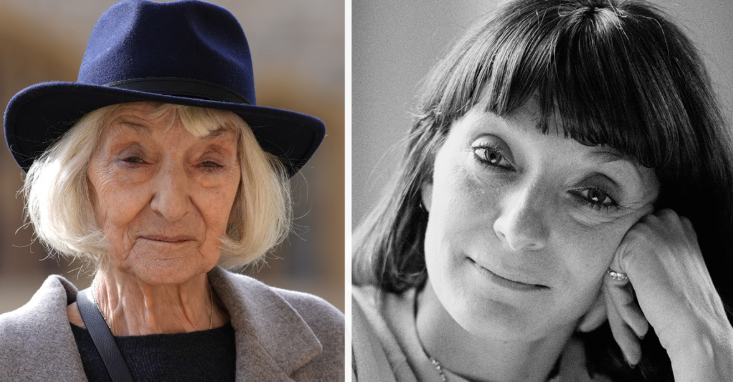
The stage and screen world is mourning the loss of acclaimed British actress Jane Lapotaire, whose performances across theater, television, and film left a lasting impression on audiences for more than six decades. The Royal Shakespeare Company confirmed that Lapotaire passed away on March 5 at the age of 81.
In a statement, the company expressed its sadness at the news, remembering her as an exceptional performer whose work with the Royal Shakespeare Company included the celebrated production Piaf, a role that earned her both Tony and Olivier Awards. She also appeared as Gertrude opposite Kenneth Branagh in Adrian Noble’s production of Hamlet, further demonstrating her remarkable range on stage.
No cause of death has been publicly announced.
Jane Lapotaire was born Jane Burgess on December 26, 1944, in Ipswich, England. Her early life was marked by challenge. Given up for adoption as an infant, she spent her childhood in foster care, living with a foster mother for the first twelve years of her life.
Despite those difficult beginnings, she discovered a deep passion for acting as a teenager. At the age of seventeen, she realized that the stage was where she truly belonged. Later reflecting on that moment, she once said that acting was something she wanted “more than walking or breathing.”
Lapotaire went on to train at the Bristol Old Vic Theatre School between 1961 and 1963, a period that laid the foundation for the extraordinary career that followed.
Before her acting career fully began, she worked as an assistant stage manager at the Ipswich Repertory Theatre while continuing to study and refine her craft. Her first major stage role came in 1965 when she appeared as Ruby Birtle in When We Are Married at the Bristol Old Vic.
Over the next decades, Lapotaire became widely respected for her powerful theatrical performances. Her portrayal of legendary French singer Edith Piaf in the stage production Piaf brought her international recognition. In 1980, the role earned her a Tony Award, cementing her reputation as one of the most compelling stage actresses of her generation.
While her work in theater remained central to her career, many audiences also came to know her through television. She portrayed Princess Alice of Battenberg in the third season of The Crown, bringing warmth and dignity to the role. Later, she appeared in the fifth season of Downton Abbey as Princess Irina Kuragin, once again stepping into a royal character with her characteristic depth and subtlety.
Her life was not without hardship. In 2000, Lapotaire suffered a brain hemorrhage that left her seriously ill and forced her into a long period of recovery. The experience changed her life profoundly. Yet her resilience allowed her to return not only to creative work but also to writing. She later authored books reflecting on her life and the challenges she had faced.
Even in the later years of her life, recognition for her contributions to the arts continued. Only weeks before her passing, Lapotaire received one of the United Kingdom’s highest honors when she was appointed Commander of the Most Excellent Order of the British Empire (CBE) by the King in recognition of her service to drama. It would become her final public appearance.
Following news of her death, tributes quickly appeared from admirers, colleagues, and audiences around the world. Many remembered her performance in Piaf as one of the most emotionally powerful portrayals ever seen on stage, describing it as raw, vulnerable, and unforgettable.
Others praised her versatility and ability to bring depth to every role she accepted. For television audiences, her portrayal of Princess Alice in The Crown was particularly memorable, capturing the compassion and quiet strength of the historical figure.
Beyond awards and recognition, those who worked with her often spoke of her dedication to her craft and her willingness to fully inhabit each character she portrayed.
Jane Lapotaire is survived by her son, Rowan Joffe, whom she shared with her former husband, filmmaker Roland Joffe.
Her career stands as a testament to perseverance and artistic passion. From a difficult childhood to international acclaim, she built a life defined by creativity, resilience, and the power of storytelling.
Though she is gone, the characters she brought to life on stage and screen will continue to speak long after the curtain has fallen.