
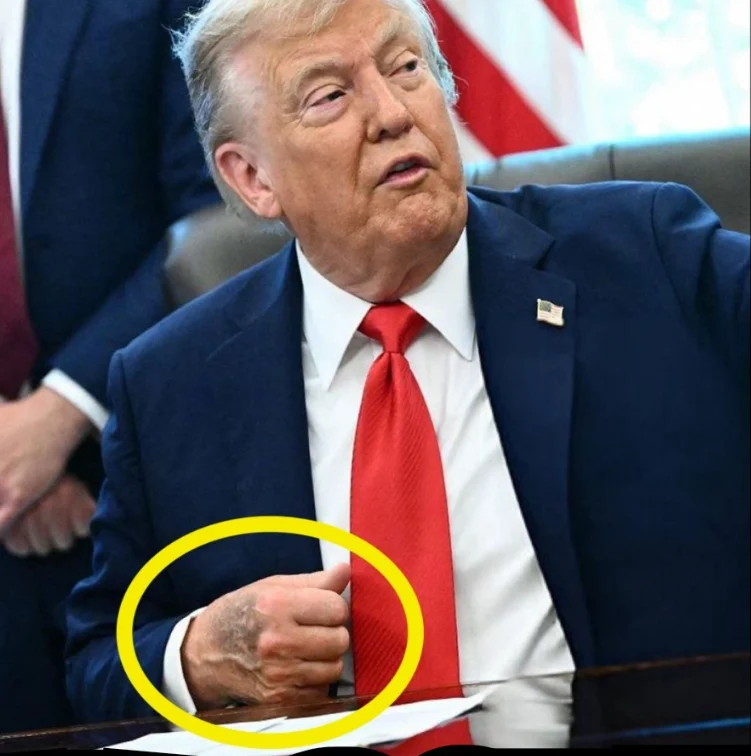
The announcement arrived in the middle of an already intense political season, instantly drawing attention across the country. Reports that Donald Trump had been diagnosed with chronic venous insufficiency—a circulatory condition affecting blood flow in the legs—introduced an unexpected health discussion into a campaign defined by constant movement and high public visibility.
According to statements from his team, the condition does not affect his heart and is being managed medically. Even so, the disclosure quickly became part of the wider political conversation. In modern campaigns, where every detail is examined closely, even routine medical information can trigger waves of speculation, commentary, and debate.
Chronic venous insufficiency occurs when veins struggle to return blood efficiently from the legs to the heart, sometimes leading to swelling, discomfort, or fatigue. It is relatively common among older adults and can often be managed through medical care and lifestyle adjustments. Yet when such a diagnosis involves a major political figure—particularly during an election cycle—the medical facts often become intertwined with questions about stamina, leadership, and public perception.
Observers immediately began watching appearances more closely. In the world of political campaigning, every step onto a rally stage, every pause during a speech, and every visible moment of strain can quickly become part of a larger narrative. Supporters may interpret perseverance as resilience, while critics may view the same moments through a different lens.
At the same time, the situation highlights a broader reality about modern political life. National campaigns demand extraordinary schedules—long travel days, frequent public appearances, late-night strategy sessions, and constant media attention. Maintaining that pace can be physically demanding for anyone, particularly for candidates in their later years.
Beneath the political noise, the moment also invites a more human reflection. Public figures often appear larger than life, framed through headlines and televised debates. Yet they remain subject to the same physical realities that shape every human life: aging, health challenges, and the need to balance ambition with personal limits.
For some supporters, the news may deepen loyalty, reinforcing a sense that perseverance in the face of difficulty reflects strength. For opponents, it may raise questions about endurance in the long run. For many observers, however, it simply underscores something easy to forget in the theater of politics—that even the most prominent figures are not immune to the ordinary vulnerabilities of the human body.
In a campaign season driven by sharp rhetoric and intense competition, moments like this briefly shift attention away from strategy and polling numbers. They remind the public that leadership is exercised by individuals whose lives, like everyone else’s, are shaped by health, time, and the choices they make about how openly to share those realities.
Ultimately, the political consequences of such news often fade into the larger currents of the campaign. But the deeper reflection remains: beneath the debates and headlines, the people who stand at the center of national attention still carry the same human limitations that connect them to the millions watching from afar.