
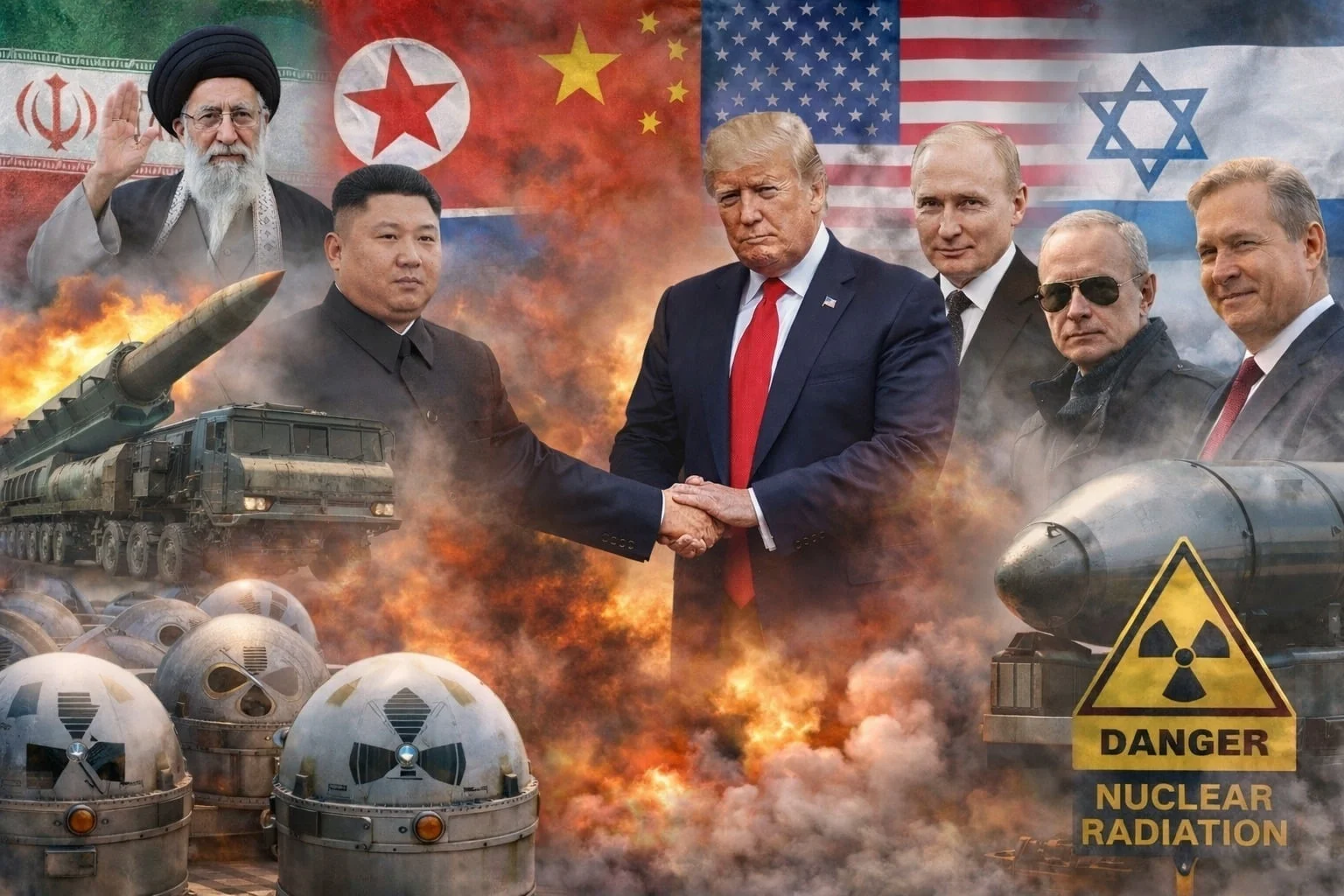
Renewed geopolitical tensions in the Arctic have drawn global attention after recent remarks by Donald Trump about the strategic importance of Greenland. The comments revived debate over the island’s role in security and military planning, prompting reactions from NATO allies and criticism from Russia.
Why Greenland Has Become Strategically Important
Greenland sits at a critical geographic crossroads between North America and Europe, making it strategically significant for both military and economic reasons. The island hosts Pituffik Space Base (formerly known as Thule Air Base), which plays an important role in missile warning and space surveillance systems.
As Arctic sea ice gradually declines due to climate change, new shipping routes are opening across northern waters. These routes could shorten trade distances between continents and increase access to natural resources beneath the Arctic seabed.
Because of these developments, the Arctic is increasingly viewed as a strategic frontier where major powers—including the United States, Russia, and China—are expanding their economic and military interests.
NATO Concerns and Denmark’s Position
The island remains part of the Kingdom of Denmark, although Greenland maintains significant self-governance.
Danish and Greenlandic leaders have repeatedly stated that the territory is not for sale. Officials in Copenhagen have emphasized that decisions affecting Greenland must respect sovereignty and coordination among allies within the North Atlantic Treaty Organization.
Some NATO partners have expressed concern that political rhetoric about controlling Greenland could strain transatlantic unity at a time when cooperation among Western countries remains crucial for European security.
Russia’s Reaction and Strategic Concerns
Russian officials have responded critically to renewed discussion about Greenland’s strategic status. Some statements from Moscow warned that aggressive moves in the Arctic could destabilize global security.
Russia has long been wary of expanded Western missile defense systems near its borders. From Moscow’s perspective, large-scale missile defense infrastructure in the Arctic could affect the strategic balance between nuclear powers.
The controversial comment by a Russian lawmaker describing such developments as potentially leading to “the end of the world” reflects heightened political rhetoric rather than an official prediction of imminent conflict. Analysts note that such language often serves both domestic audiences and strategic messaging toward rival powers.
The Debate Over Missile Defense Systems
Some reports have referenced proposals for expanded missile defense coverage in northern regions, sometimes described conceptually as a protective shield over key territories.
Missile defense technology has long been a sensitive issue in nuclear diplomacy. Supporters argue that such systems help defend against missile threats from hostile states. Critics contend they could upset the balance of nuclear deterrence if one side believes its retaliatory capability might be weakened.
Since the Cold War, global stability has largely depended on the concept of mutually assured destruction—meaning that no country could launch a nuclear strike without facing devastating retaliation.
Arctic Militarization and the Risk of Miscalculation
Military activity in the Arctic has gradually increased over the past decade. Russia has expanded its northern bases, while NATO countries have conducted additional training exercises in Arctic environments.
These deployments are generally described as defensive by the governments involved. However, in regions where nuclear-armed states operate in close proximity, even routine exercises can be interpreted as potential threats.
Security experts often warn that the greatest danger in such environments is not deliberate war but miscalculation. Harsh weather conditions, remote installations, and increased patrol activity can make communication and coordination more difficult.
The Political Dimension
Trump’s renewed remarks about Greenland appear linked to broader discussions about national security and competition among major powers in the Arctic.
Supporters argue that expanding U.S. influence in the region would strengthen strategic positioning as global shipping routes and energy exploration expand northward.
Critics counter that rhetoric implying control over allied territory risks damaging diplomatic relationships and escalating tensions unnecessarily.
What Happens Next
At present, no formal policy changes regarding Greenland’s political status have been introduced. Denmark continues to assert sovereignty, and the United States maintains its existing military presence under long-standing agreements.
International frameworks such as the Arctic Council and NATO provide channels for dialogue among Arctic states, although geopolitical rivalry has complicated cooperation in recent years.
Despite dramatic headlines and sharp political rhetoric, most experts note that diplomatic institutions, alliance structures, and deterrence systems remain in place.
A Region Growing in Global Importance
The Arctic is rapidly shifting from a remote frontier to a central arena of global strategy. Climate change, resource exploration, and emerging shipping lanes are drawing the attention of major powers.
Whether Greenland becomes a source of conflict or remains an area managed through diplomacy will depend on how governments balance strategic ambitions with alliance coordination and risk management.
For now, the debate highlights how quickly Arctic geopolitics can move from abstract discussions to issues with real global implications.