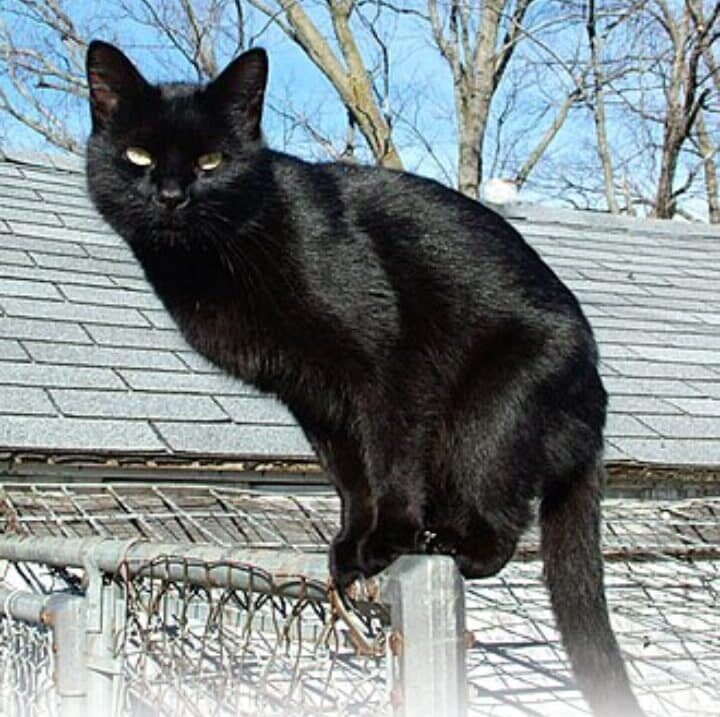
Black cats have held a unique place in human culture for centuries, often surrounded by strong emotional reactions ranging from admiration to fear. Their dark coats and quiet movements made them stand out in early societies that explained unfamiliar things through stories and symbolism. Over time, these interpretations shaped lasting superstitions.
In parts of medieval Europe, black cats became linked to witchcraft. Many people believed they were connected to supernatural forces or could bring bad luck if they crossed someone’s path. These ideas spread widely and became part of folklore, even though they had no factual basis. The influence of these beliefs continues today, with black cats still being adopted less frequently from shelters compared to other cats.
In reality, when a black cat approaches a person or enters a home, the reason is almost always practical. Cats seek food, warmth, safety, and calm environments. Their behavior is driven by curiosity and survival instincts, not symbolism. A wandering cat is typically responding to scent, shelter, or previous positive human interaction.
Not all cultures viewed black cats negatively. In ancient Egypt, cats were highly valued and protected because they helped control pests and were associated with household safety. Some societies linked darker-colored cats with strength, intuition, and protection rather than misfortune. These positive associations often came from the real benefits cats provided in daily life.
Cats also developed a reputation for independence. Unlike animals that were bred to follow commands, cats choose when to engage with people. This made them symbols of autonomy and mutual respect in many traditions.
The connection between cats and good fortune originally came from practical outcomes: homes with cats had fewer rodents, better food storage, and reduced disease risk. Over time, these advantages became symbolic, leading people to associate cats with prosperity and balance.
Modern perspectives increasingly reject old superstitions. Today, black cats are often appreciated for their elegance, intelligence, and strong personalities. Their presence is understood as no different from that of any other cat.
Ultimately, black cats carry no hidden meaning beyond what humans assign to them. Encounters with them are ordinary animal interactions shaped by instinct and environment. The long history of superstition says more about human fear of the unknown than about the animals themselves.
A black cat crossing your path or entering your home is not a sign of luck or misfortune — it is simply a living creature responding to its surroundings, deserving the same care and respect as any other pet.