
For many women, visiting a gynecologist is something that gets pushed further and further down the to-do list. Even though these appointments are extremely important for maintaining good health and detecting potential problems early, they can still feel awkward, stressful, and uncomfortable.
Let’s be honest — very few people enjoy sitting in a gynecological exam chair while answering personal questions and undergoing an examination. But doctors who specialize in women’s health say there are several common mistakes patients make before appointments, and avoiding them can make the experience much smoother and less stressful.
One of the biggest things to remember is not to panic before your visit.
Many women feel nervous or embarrassed about being examined. Some worry about their appearance, whether they shaved, or how their body looks. But gynecologists repeatedly remind patients that none of those things matter to them. Doctors examine countless patients every week, and their focus is entirely on health, not physical perfection.
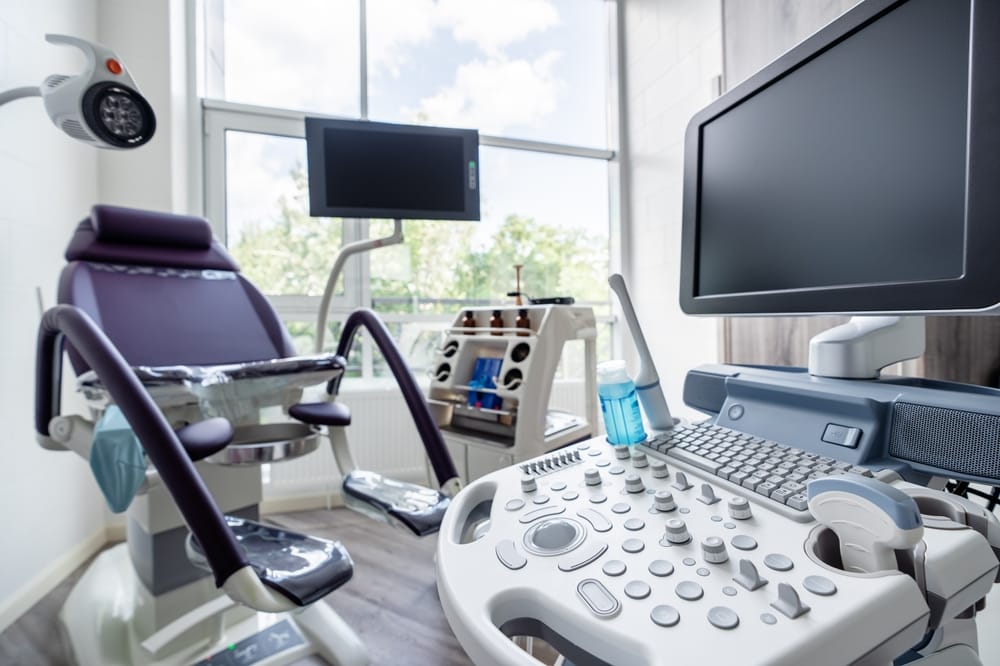
The appointment may feel vulnerable, but these exams are essential because they help detect conditions such as cervical cancer, breast cancer, infections, and sexually transmitted diseases early, when treatment is often most effective.
Reminding yourself that your doctor’s job is to care for your health — not judge your body — can help ease some of the anxiety.
At the same time, basic hygiene before an appointment is still important.
Doctors generally do not care about body hair, but arriving clean can help both you and your doctor feel more comfortable during the examination. Wearing fresh underwear and showering beforehand can make the visit feel less stressful.
However, many specialists warn against douching before an appointment. Douching can disrupt the vagina’s natural bacterial balance and acidity, which may interfere with accurate examination results. Most gynecologists recommend simply washing gently with warm water instead.
It is also usually advised to avoid vaginal creams, foams, or similar products for about 48 hours before the exam unless your doctor specifically instructed otherwise.
Another common mistake is hiding symptoms out of embarrassment.
Many women avoid mentioning itching, unusual discharge, pain, odor, or discomfort because they feel awkward discussing intimate issues. But doctors can only help when they know exactly what is happening.
Gynecologists hear these concerns every day. What feels embarrassing to a patient is completely routine to a medical professional. Ignoring symptoms or pretending nothing is wrong may only delay treatment for something that could be easily addressed.
Honesty matters during these appointments.
Some experts also suggest avoiding sexual activity for up to 24 hours before a gynecological exam. Intercourse may sometimes irritate tissue temporarily or affect certain test results. Personal lubricants and products containing spermicide may also interfere with vaginal pH levels or cervical screening accuracy.
Another mistake many people make is relying too heavily on internet searches before appointments.
By the time they arrive, some patients have already convinced themselves they have several serious diseases after hours spent reading online symptom lists.
While researching symptoms is understandable, doctors remind patients that internet information is often incomplete or misleading. A trained gynecologist is far better equipped to evaluate symptoms, perform proper testing, and make accurate diagnoses than online search results.
Instead of trying to diagnose yourself beforehand, it is often more helpful to focus on clearly describing your symptoms and concerns during the appointment.
At the same time, many women hesitate to ask questions because they feel shy or embarrassed.
But gynecologists encourage patients to speak openly about anything worrying them, whether it involves birth control, pregnancy, periods, intimacy, hormones, fertility, or body changes.
Doctors are bound by confidentiality, and no question is considered strange or inappropriate in a medical setting. Asking questions can help patients feel informed, reassured, and more in control of their own health.
For first-time patients especially, the gynecological chair itself can feel intimidating.
Shutterstock
The position may seem awkward at first, but doctors explain that it simply allows them to perform the examination properly. Remaining relaxed helps make the process easier and less uncomfortable.
Tensing the body often makes exams feel more unpleasant than they actually are.
Gynecologists also frequently remind patients to slide slightly forward in the chair during the examination. Sitting too far back can make the exam more difficult and prolong the process unnecessarily.
Young women attending their first gynecologist appointment should also know that an initial visit does not always require a full pelvic examination. Sometimes the first appointment is simply a conversation where the doctor answers questions, discusses health history, and helps the patient feel comfortable.
Bringing a trusted friend, partner, or family member for support can also help ease anxiety during a first visit.
Another helpful tip many doctors recommend is writing down questions before the appointment. Stress and nervousness can make people forget important concerns once they are sitting in the office.
Having notes prepared helps ensure everything important gets discussed.
One issue gynecologists mention surprisingly often involves forgotten tampons.
A tampon left inside for several days can cause strong odors and bacterial growth, but doctors emphasize that this situation is more common than many people realize and is usually simple to resolve once discovered.
As one gynecologist explained:
{"post":102069,"page":1,"next":[{"id":102042,"title":"I had been gone for five days, but nothing prepared me for what I saw when I opened the door: my wife juggling dinner and our sick toddler, while my mother and sister sat nearby on their phones.","url":"https:\/\/new24.info\/102042"},{"id":102037,"title":"It\u2019s actually illegal to be driving with these prescription drugs in your system after ban warning issued","url":"https:\/\/new24.info\/102037"},{"id":102032,"title":"Diddy Breaks DOWN in Courtroom After Audio Of Him","url":"https:\/\/new24.info\/102032"},{"id":102026,"title":"Trump and China president Xi Jinping\u2019s meeting erupts into chaos as fight breaks out \u2013 \u2018get out of here\u2019","url":"https:\/\/new24.info\/102026"},{"id":102024,"title":"When Small Changes at Home Revealed a Bigger Lesson About Boundaries","url":"https:\/\/new24.info\/102024"},{"id":102017,"title":"Woman D!es After Containing Bacteria By Eating Alfac\u2026","url":"https:\/\/new24.info\/102017"},{"id":102012,"title":"The Heartless Corporate Husband Left His Mother Of Four For Not Being Beautiful Only To Beg On His Knees Three Days Later After A Brutal Financial Downfall","url":"https:\/\/new24.info\/102012"},{"id":102004,"title":"Only Sharp Eyes Tend to Notice This Hidden Feature-","url":"https:\/\/new24.info\/102004"},{"id":102000,"title":"She Married a Millionaire \u2014 What Happened the Next Day Shocked Everyone","url":"https:\/\/new24.info\/102000"},{"id":101996,"title":"Jimmy Kimmel Makes Stunning Confession, May Be Quitting TV For Good","url":"https:\/\/new24.info\/101996"},{"id":101988,"title":"My Fianc\u00e9e Married My Father, and It Broke My Heart \u2013 Until I Discovered the Sacrifice She Made for Me","url":"https:\/\/new24.info\/101988"},{"id":101979,"title":"Mistakes When Eating It That May Upset Your Digestive System","url":"https:\/\/new24.info\/101979"},{"id":101977,"title":"Ariana Grande Confirms -","url":"https:\/\/new24.info\/101977"}]}“A forgotten tampon can smell pretty bad, but it’s a simple problem to fix. I don’t think it’s anything to be ashamed of either.” Continue Reading ⬇️