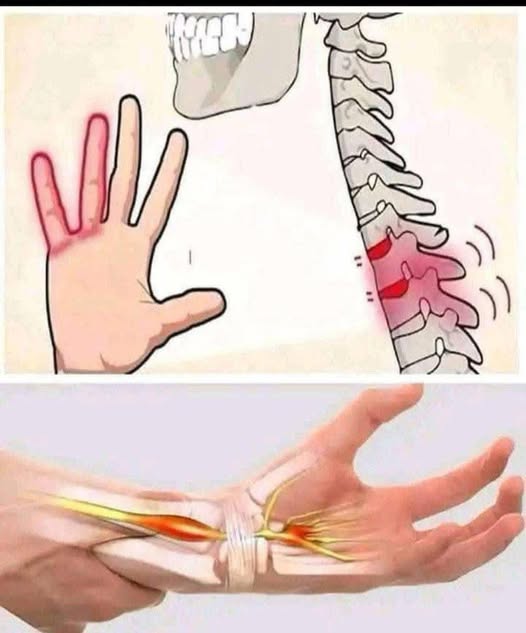
…once you move. That temporary “pins and needles” feeling is usually a fleeting annoyance, but when it becomes a recurring visitor in your daily life, it ceases to be a mere inconvenience and transforms into a vital warning signal from your nervous system.
When Numbness Becomes a Red Flag
The human body is an intricate network of electrical pathways. When those pathways are compressed, irritated, or starved of essential nutrients, the signal is clear: numbness, tingling, or a burning sensation. While occasional discomfort is common, persistent symptoms often point to deeper, systemic issues that require your immediate attention.
Repetitive strain is a frequent culprit. Whether you are a professional typist, a craftsman, or someone who spends hours gripping a steering wheel, the constant pressure on your nerves can lead to chronic compression. However, the scope of potential causes is far wider. Deficiencies in Vitamin B12, electrolyte imbalances, and poor circulation can all disrupt the delicate electrical firing of your nerves. Furthermore, structural issues in your neck or spine can act as a bottleneck, cutting off the vital messages your brain sends to your extremities.
The Hidden Dangers You Cannot Ignore
Beyond the mechanical and nutritional causes lie more significant medical conditions. Conditions like diabetes, autoimmune disorders, and even internal growths can manifest initially as nothing more than a tingling in the fingertips. When these symptoms begin to linger, or when they start to affect your grip strength and fine motor skills, it is a sign that your body is struggling to maintain its equilibrium.
You must listen to the severity of the signal. If your hand numbness is accompanied by weakness, slurred speech, sudden confusion, dizziness, or symptoms that seem to spread across your body, you are no longer dealing with a simple case of “falling asleep.” These are medical red flags that demand an urgent consultation with a healthcare professional.
Taking Control of Your Health
The most dangerous thing you can do is normalize the abnormal. If your hands are frequently going numb, do not wait for the sensation to become permanent or for your strength to fade. The path to recovery begins with identifying the root cause—whether it is a simple ergonomic adjustment, a nutritional supplement, or a more comprehensive treatment plan for an underlying condition.
Your hands are your primary tools for interacting with the world. Treat them with the care they deserve by paying attention to the messages they send. If the tingling persists, treat it as a priority, not a nuisance. Your long-term health depends on your willingness to act when the warning signs first appear.