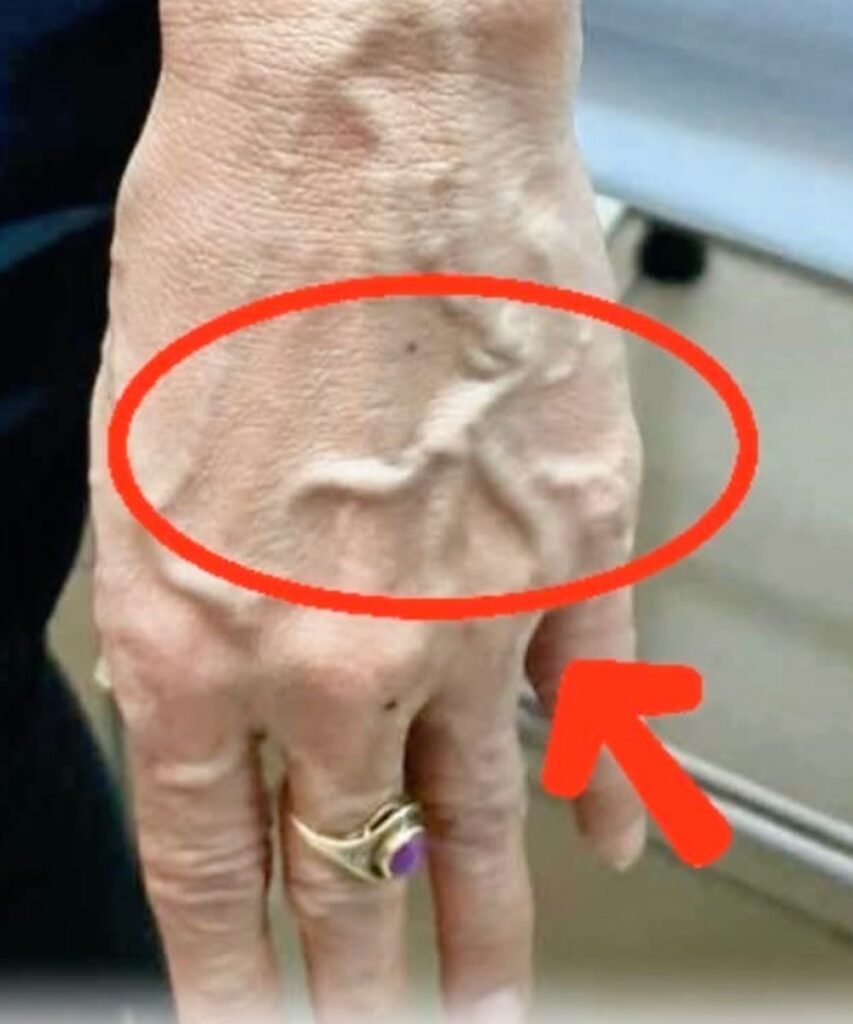
Visible veins—especially on the hands, arms, or legs—often make people uneasy. It’s easy to assume that if veins stand out more than usual, something must be wrong with circulation. In reality, that assumption is usually incorrect. In most cases, prominent veins are a normal physical trait shaped by a mix of harmless factors.
The appearance of veins has less to do with how well your blood is flowing and more to do with what’s happening at the surface of your body. For example, people with lower body fat tend to have more noticeable veins simply because there’s less tissue covering them. Fat acts as a layer between the skin and blood vessels, so when that layer is thinner, veins become easier to see.
Skin type also plays a role. Individuals with lighter or thinner skin often notice more visible veins, especially in areas like the wrists or feet. As the body ages, skin naturally loses some of its thickness and elasticity, which can make veins stand out more over time. This is why older adults frequently notice changes in how their veins look, even without any underlying health issue.
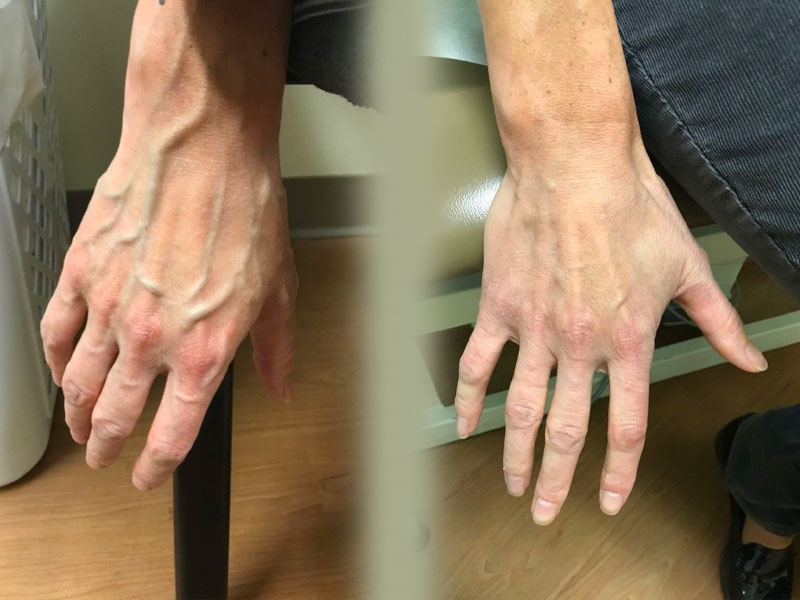
Physical activity can temporarily enhance this effect as well. During exercise, blood flow increases and veins expand slightly to handle the demand. This can make them appear more prominent, particularly during or shortly after a workout. For athletes or highly active individuals, this visibility may be more consistent.
Genetics is another important factor. Some people are simply predisposed to having more visible veins, regardless of their fitness level or overall health. In such cases, it’s just a natural variation—no different than eye color or height.
Understanding circulation itself helps clarify why visible veins are not usually a warning sign. Circulation refers to the process by which blood moves through the body, delivering oxygen and nutrients while removing waste products. It involves a coordinated system between the heart, arteries, and veins. When circulation is impaired, it typically stems from internal issues—such as narrowed blood vessels or damage—not from how veins look externally.
That said, there are situations where vein visibility can signal something more serious. The key difference lies in accompanying symptoms. If visible veins appear alongside swelling in the legs or ankles, persistent aching or heaviness, skin discoloration, or veins that look unusually twisted and bulging, it may indicate a condition that requires attention.
For instance, varicose veins are enlarged, often twisted veins that can cause discomfort and are most commonly found in the legs. Spider veins, which appear as small, web-like patterns under the skin, are generally harmless but can sometimes be a cosmetic concern. A more significant issue is chronic venous insufficiency, where veins struggle to return blood effectively to the heart, leading to swelling and a feeling of pressure or fatigue in the affected area.
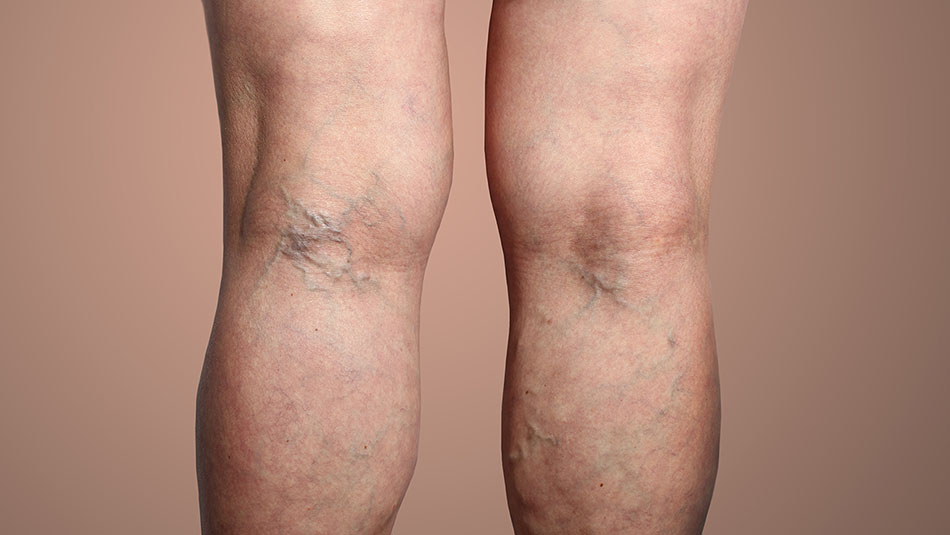
In these cases, the appearance of veins is just one part of a broader picture. It’s the combination of symptoms that matters, not visibility alone.
Even when veins are completely normal, maintaining healthy circulation is still important. Regular movement helps keep blood flowing efficiently, so incorporating exercise into your routine can make a meaningful difference. Avoiding long periods of sitting or standing without movement is equally important, as both can slow circulation over time.
Hydration also supports vascular function, while maintaining a healthy weight reduces unnecessary pressure on the veins. Elevating the legs when resting can help blood return more easily to the heart, particularly after long days on your feet. In some cases, compression socks may be recommended to improve blood flow and reduce discomfort.
Ultimately, visible veins are usually just a reflection of your body’s structure rather than a sign of a problem. While it’s wise to stay attentive to changes—especially those paired with discomfort or swelling—there’s no need to assume the worst based on appearance alone.
Understanding what’s normal can prevent unnecessary worry, while recognizing warning signs ensures that real issues are not overlooked.