The Moment That Tested a Marriage—and What Followed
Thirteen years ago, what should have been a steady, joyful wedding day shifted in a matter of seconds.
I had met Ed in a small coffee shop—nothing dramatic, just a quiet routine that slowly became something more. He would come in every afternoon, always ordering the same drink. Over time, he turned it into a game, trying to guess mine. When he finally got it right, he paid for it. That small moment led to conversations, then to something deeper. Two years later, he proposed on a pier.
My older brother, Ryan, had always carried a protective role in our family after our father passed. When he met Ed, he watched carefully, then gave his approval. That mattered to me.
The wedding itself was everything I had hoped for—simple, bright, surrounded by people who cared. When it came time to cut the cake, I expected a quiet, lighthearted moment.
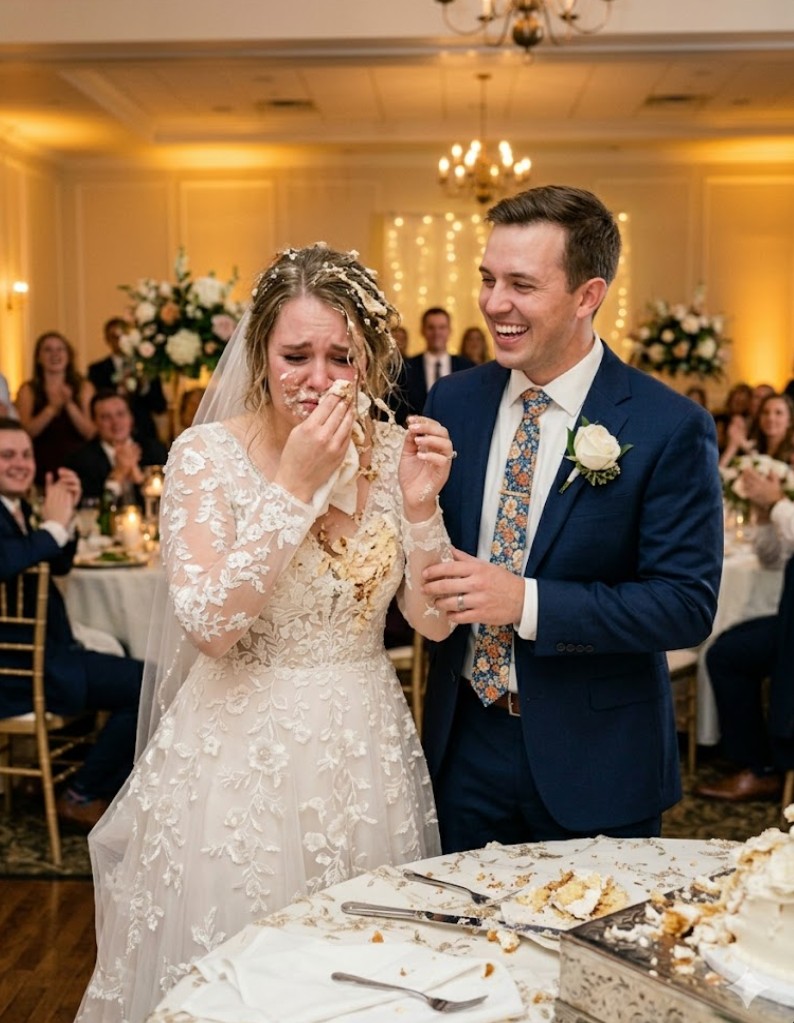
Instead, without warning, Ed pushed my face into the cake.
It wasn’t playful in the way he imagined. It was sudden, public, and disorienting. I stood there, covered in frosting, aware not just of the mess, but of the way the room had gone still.
Ed laughed. For him, it had been a joke.
For me, it wasn’t.
Ryan stood up immediately. He crossed the room, took hold of Ed, and returned the gesture—firmly enough that there was no confusion about what had just happened. Then he said what needed to be said: that respect doesn’t pause for entertainment, and that some lines, once crossed, need to be understood clearly.
There was no shouting, just a boundary made visible.
Ed left shortly after.
What Happens After the Moment Passes
The next morning, he came back. Not defensive, not dismissive. He apologized—plainly, without trying to soften what had happened. He admitted he hadn’t understood the weight of his action until he felt it himself.
Apologies don’t undo moments. But they can mark a change in how someone carries themselves afterward.
I chose to forgive him—not quickly, and not without thought. Trust doesn’t rebuild through words alone. It rebuilds through consistency.
Over time, he showed that he understood. Not through grand gestures, but through small, steady respect in daily life. He didn’t repeat that mistake. More importantly, he didn’t treat it lightly again.
What Remains
We’ve built a life since then—children, a home, the usual challenges that come with time. That moment hasn’t been erased, but it no longer defines us. It became a point where something could have gone wrong, and instead was corrected early enough to matter.
Looking back, I see two things clearly:
- My brother didn’t act out of anger, but out of care. He made sure I wasn’t left alone in a moment where I had been made small.
- My husband chose to learn, not defend himself. That made the difference.
Final Reflection
Some mistakes are louder than others. What matters is what follows them.
Respect isn’t proven in perfect moments. It’s proven in how quickly someone recognizes when they’ve crossed a line—and whether they choose to step back with honesty.
That day could have gone another way.
It didn’t.
And for that, I’m grateful.