
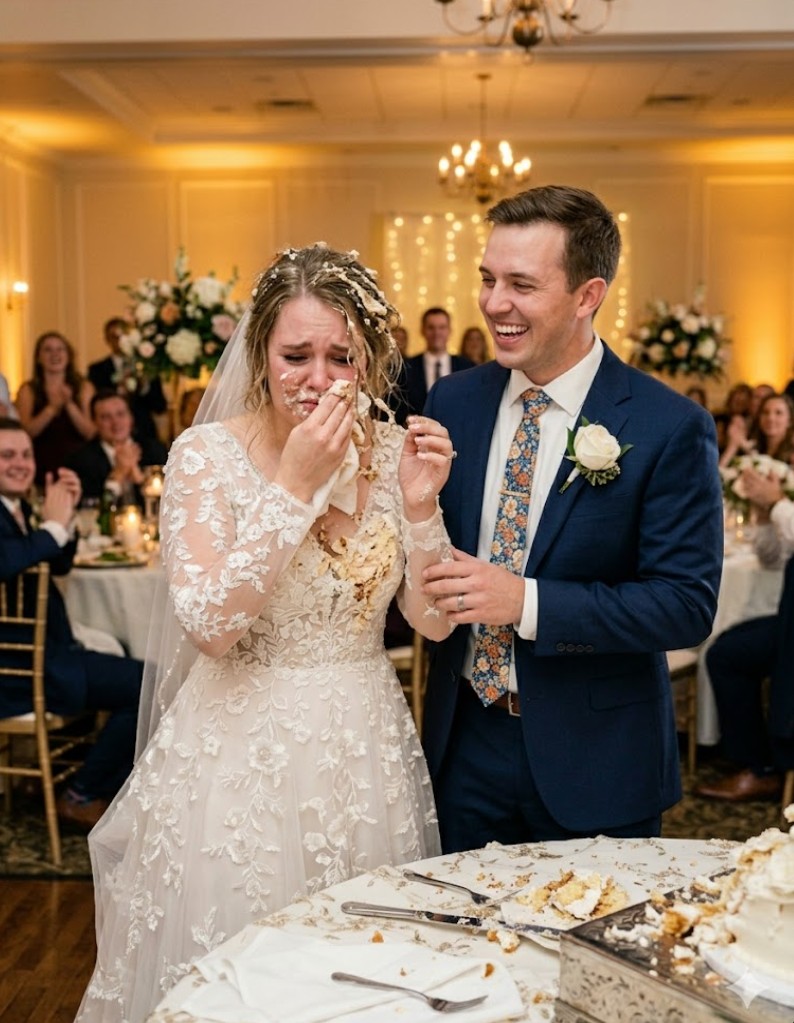
Thirteen years ago, my wedding day changed in a way I never expected.
I was twenty-six when I met Ed in a small coffee shop. I worked nearby, and he had a habit of ordering the same drink every afternoon. It started as something simple—him trying to guess my order, getting it wrong, then finally right. That day, he paid for it, and we stayed talking longer than either of us planned.
What grew from that felt steady. Familiar. Safe.
When he proposed two years later on a quiet pier, I said yes without hesitation.
My older brother Ryan had always been careful with me, ever since our father passed. He didn’t interfere easily, but he paid attention. After meeting Ed, he gave a simple approval—not with words that filled the room, but with a calm acceptance that meant more.
On the day of the wedding, everything felt as it should. The light, the flowers, my mother’s tears, Ryan standing there with quiet pride. When we said our vows, I felt certain I was stepping into something good.
The moment with the cake was meant to be light.
Instead, it wasn’t.
After we cut the first slice, Ed’s expression shifted. Before I could read it fully, he pushed my face into the cake. Hard enough to ruin my veil, my hair, the careful preparation of the day. It happened in seconds, but it lingered longer than that.
The room went still.
He laughed. Loudly.
And I stood there, not hurt physically, but exposed in a way that felt deeper than the mess itself.
Ryan stood up immediately.
He didn’t shout. He didn’t make a scene. He walked across the room with a kind of certainty that didn’t need explanation. Then he did the same thing back to Ed—firmly, without hesitation—until the message was clear.
Not as revenge. As a boundary.
Then he spoke. Not to humiliate, but to name what had just happened. That it wasn’t harmless. That dignity matters, especially in moments that are meant to honor it. And that I deserved to be treated with care, not made into the center of a joke.
Ed left shortly after.
That night didn’t end the way I imagined. It didn’t erase what had happened either.
The next morning, he came back. Still in the same ruined tuxedo. Not dramatic, not defensive—just quieter. He apologized, and this time, there was understanding behind it. He admitted he hadn’t thought beyond the moment, and that seeing it reflected back to him made him realize the weight of what he’d done.
An apology doesn’t undo something like that.
But it can open the door to something honest.
I chose to forgive him. Not quickly, and not without thought. We had to rebuild something that had been shaken on the very day it was meant to begin. And over time, he showed that he had understood. Not through words, but through consistency.
He never crossed that line again.
Thirteen years later, we have two children and a home that feels steady. Not perfect, but grounded in something we both had to learn—respect isn’t optional, and care isn’t something you assume. It’s something you practice.
I think about that day sometimes, not as a memory of embarrassment, but as a moment that revealed what needed to be clear from the start.
And today, more than anything, I think of my brother.
He didn’t act out of anger. He acted because something important had been crossed, and he refused to let it pass unnoticed.
Some people protect you loudly. Others do it with quiet certainty.
He did both, exactly when it mattered.