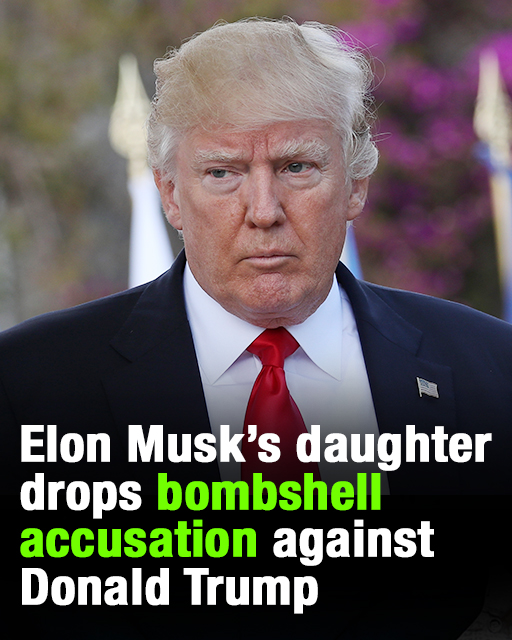
Ongoing Debate Around U.S. Policy and Transparency Efforts
Recent developments in U.S. policy have led to increased public discussion, particularly around foreign affairs and transparency initiatives. These conversations reflect how leadership decisions can influence both national and international perspectives.
Policy Direction and Changing Priorities
Actions taken under President Donald Trump have drawn attention, especially in the area of foreign policy. As with any administration, priorities may shift over time in response to evolving global conditions and strategic considerations.
Campaign Messaging and Public Expectations
During the 2024 election cycle, messaging emphasized limiting involvement in new conflicts and maintaining stability abroad. This position appealed to voters seeking a more cautious and controlled approach to international engagement.
Foreign Policy and Strategic Context
More recently, support for actions related to Israel and Iran has prompted renewed discussion. Officials have connected these decisions to regional security concerns and broader geopolitical dynamics.
Supporters view such actions as necessary responses to changing conditions and alliance commitments. Others continue to evaluate how these decisions align with earlier messaging and expectations.
Transparency and Public Understanding
Limited public information around certain decisions has contributed to ongoing questions. In areas involving national security, details are often shared selectively, which can lead to differing interpretations.
This highlights the balance governments must maintain between transparency and operational security.
Domestic Discussions and Public Interest
At the same time, domestic issues remain a key part of public discourse. Interest in government documents and past investigations continues across various platforms.
It’s important to approach such information carefully, as references to individuals in large datasets do not necessarily imply wrongdoing.
Managing Multiple Priorities
Modern governance involves handling both international and domestic matters simultaneously. These areas often overlap, influencing how decisions are perceived and discussed by the public.
Different perspectives reflect the complexity of addressing these interconnected challenges.
Transparency Initiatives and UAP Files
In a separate effort, the administration has moved toward releasing files related to unidentified aerial phenomena (UAP). This initiative aims to provide greater access to information and address long-standing public curiosity.
Officials note that the process requires detailed review and coordination across agencies.
Public Reaction and Media Influence
Reactions to these developments vary. Some see transparency efforts as progress toward openness, while others emphasize the importance of maintaining focus on broader policy goals.
Media coverage plays a significant role in shaping how these issues are understood, influencing public perception as new information emerges.
A Continuously Evolving Landscape
The current political environment is dynamic, with multiple developments occurring at once. Foreign policy decisions, domestic discussions, and transparency efforts all contribute to an evolving and complex picture.
Final Thought
Understanding modern policy requires considering multiple viewpoints and recognizing the balance between competing priorities. As new information becomes available, public interpretation is likely to continue evolving.