When a Snake Enters Your Home: What It Really Means and What You Should Do
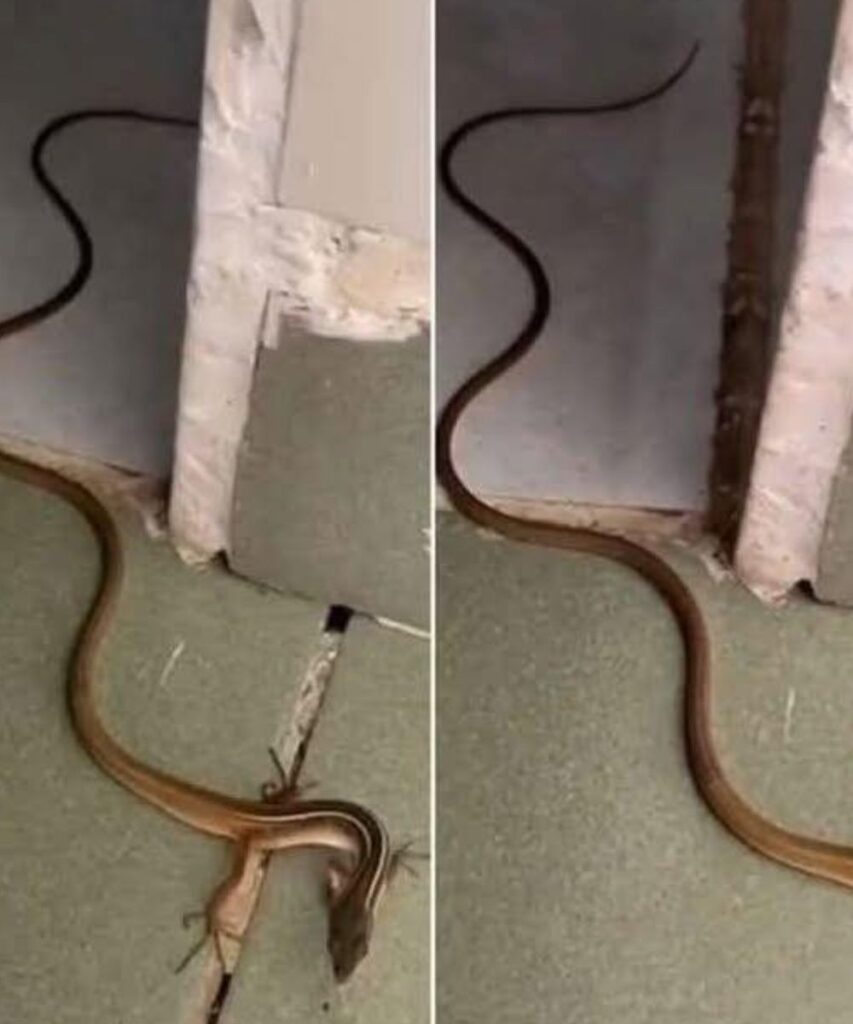
Finding a snake inside your home can feel alarming, even if you’re not usually afraid of wildlife. The reaction is instinctive—something unfamiliar, silent, and unpredictable has entered a space you associate with safety. But in most cases, there’s a practical explanation, and knowing it can help you respond calmly and effectively.
Snakes don’t wander indoors without reason. The most common trigger is food. If there are rodents, insects, or small animals around your home, snakes may follow that trail. They’re efficient hunters, and houses—especially basements, garages, or storage areas—can unintentionally provide both prey and hiding spots.
Shelter is another major factor. Snakes are cold-blooded, meaning they rely on external temperatures to regulate their bodies. During extreme heat or cold, they may seek out stable environments. Dark, quiet places like crawl spaces, cluttered corners, or under appliances can seem ideal from a snake’s perspective.
Seasonal changes also play a role. Heavy rain or flooding can force snakes out of their natural habitats, pushing them toward dry, elevated areas—sometimes inside homes. This doesn’t mean your house is targeted; it just happens to be in the path of their movement.
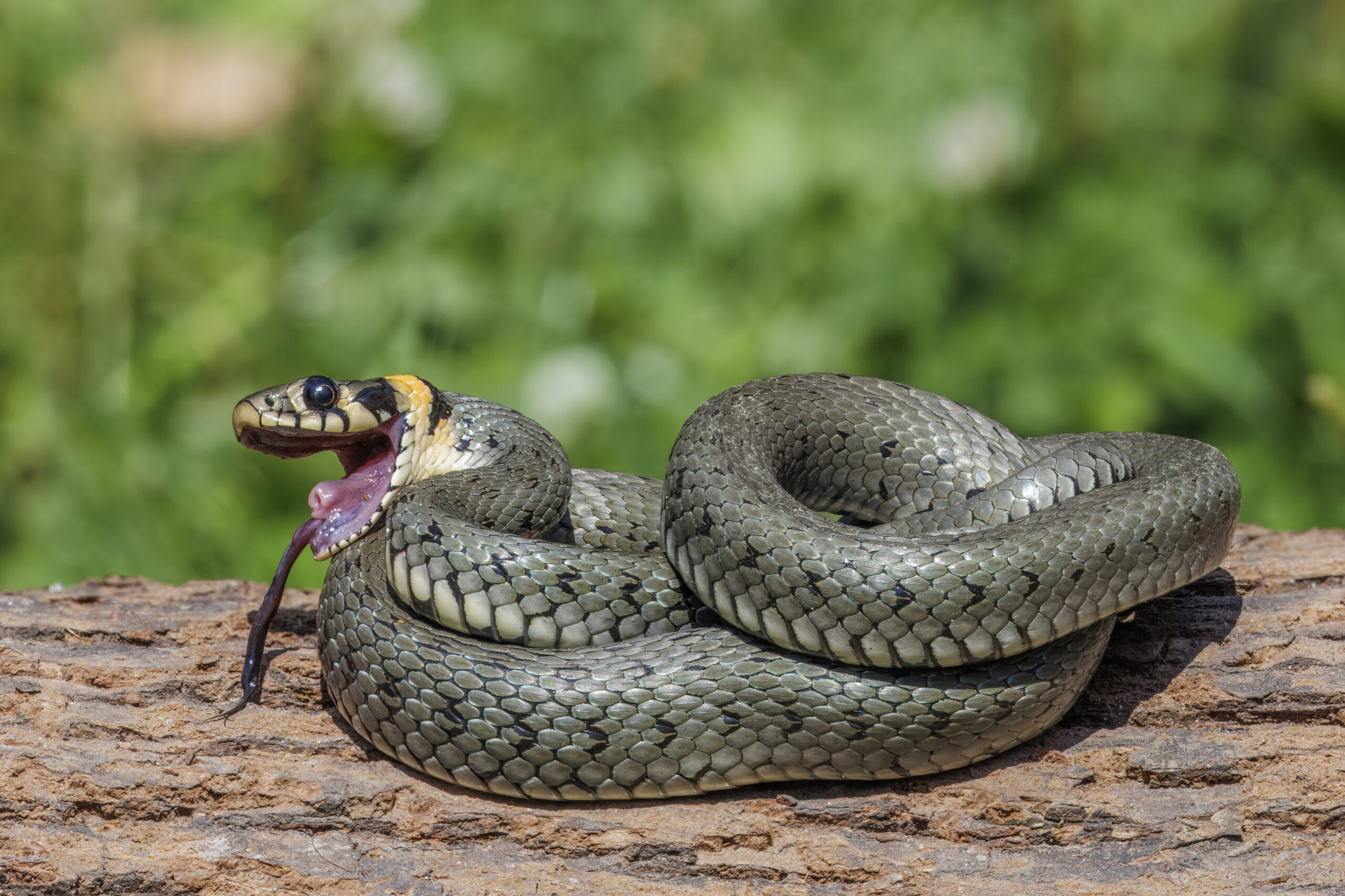
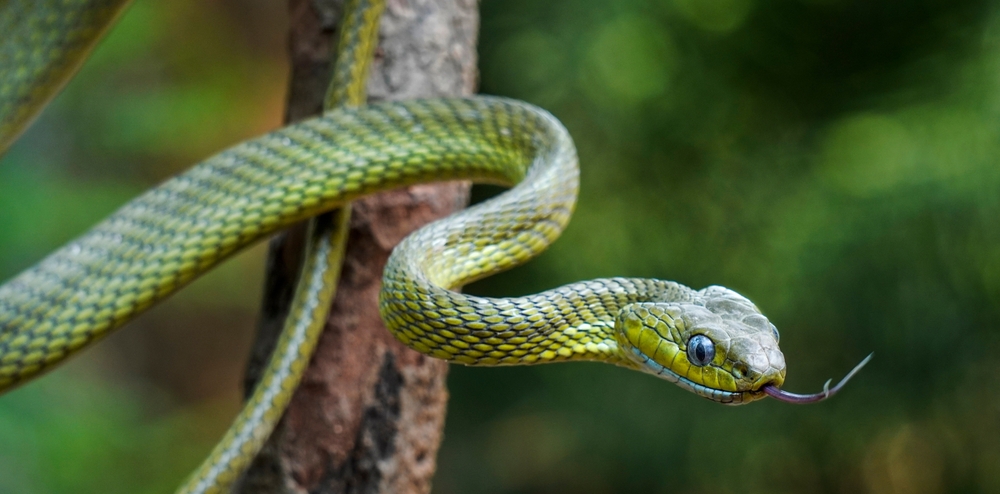
As unsettling as the encounter may be, it’s important to remember that not all snakes are dangerous. Many are non-venomous and actually beneficial, helping control pest populations. However, identifying species in the moment is difficult, so it’s always safest to treat any snake as potentially harmful and avoid direct interaction.
If you come across a snake indoors, your first step should be to stay still and keep your distance. Quick or aggressive movements can make the animal feel threatened. In most cases, snakes prefer to avoid humans and will not act unless provoked.
If possible, isolate the area. Close doors to contain the snake in one room and keep children and pets well away. This reduces the chance of accidental contact and gives professionals a controlled space to work in.
The safest course of action is to call local animal control or a wildlife removal service. Trained handlers know how to identify the species and remove it safely without harm. Attempting to handle a snake yourself—even if it appears harmless—is one of the most common reasons bites occur.
Prevention can significantly reduce the chances of future encounters. Sealing small gaps under doors, around pipes, or in walls can block entry points. Keeping your home and storage areas free of clutter removes potential hiding places. Managing pests is especially important—if there’s no food source, there’s little reason for a snake to stay.
Outside, maintaining your yard makes a difference as well. Trim tall grass, clear debris, and keep bushes under control. These small adjustments make your property less attractive as a habitat.
Beyond the practical side, snakes have long held symbolic meaning in many cultures—often associated with transformation, renewal, or hidden change. While those interpretations can be interesting, in the moment, safety should always come first.
What feels like a frightening intrusion is usually just an animal reacting to its environment. With the right response—calm, cautious, and informed—you can handle the situation without panic. And once it’s resolved, it becomes less of a threat and more of a reminder that even familiar spaces occasionally intersect with the natural world.
{"post":101016,"page":1,"next":[{"id":100984,"title":"The Sprouse Twins at 30: What Dylan and Cole Are Doing Now","url":"https:\/\/new24.info\/100984"},{"id":100981,"title":"The Autumn Tea That Lasted a Lifetime, Why a Woman","url":"https:\/\/new24.info\/100981"},{"id":100975,"title":"The First Transmission","url":"https:\/\/new24.info\/100975"},{"id":100971,"title":"Medical Awareness Warning: How Ignoring Women\u2019s Pain Led to a Preventable Tragedy at Age 20","url":"https:\/\/new24.info\/100971"},{"id":100967,"title":"Celebrity News: Jamie Lee Curtis Shares Emotional Message Following Personal Loss","url":"https:\/\/new24.info\/100967"},{"id":100964,"title":"I came across this in my girlfriend\u2019s bathroom, and I\u2019ve been staring at it for an hour\u2014I still have no idea what it\u2019s supposed to be.","url":"https:\/\/new24.info\/100964"},{"id":100961,"title":"I woke up from the coma and heard my son whisper, \u201cDon\u2019t open your eyes\u201d\u2026 my husband and my own sister were waiting for me to d!e so they could take everything.","url":"https:\/\/new24.info\/100961"},{"id":100958,"title":"At my husband\u2019s funeral, his mother fixed her gaze on me and said with chilling calm, \u201cBetter he\u2019s gone now than forced to live with the embarrassment she brought him.\u201d","url":"https:\/\/new24.info\/100958"},{"id":100955,"title":"I Let My Sister and Her Kids Move Into My House \u2013 Three Months Later, My Neighbor Knocked on My Door and Said, \u0027You Need to Check Your Basement. Now\u0027","url":"https:\/\/new24.info\/100955"},{"id":100951,"title":"Woman shares update after using dead son\u0027s sperm to have his baby","url":"https:\/\/new24.info\/100951"},{"id":100946,"title":"A Viral Livestream Led to a 15-Year Mystery\u2014And an Unbelievable Family Secret","url":"https:\/\/new24.info\/100946"},{"id":100942,"title":"Political Update: Donald Trump Responds Strongly as Washington Faces New Controversy","url":"https:\/\/new24.info\/100942"},{"id":100939,"title":"Shocking New Law Forces Every American Man Into The Automated Draft","url":"https:\/\/new24.info\/100939"},{"id":100935,"title":"Trump looked straight at reporters and said the quiet part out loud\u2026See more","url":"https:\/\/new24.info\/100935"}]}