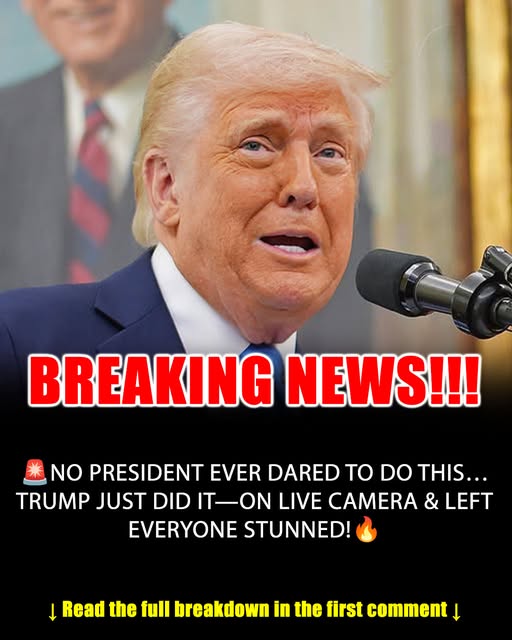
A Briefing That Quickly Drew National Attention
The atmosphere in the briefing room was already serious as cameras rolled and reporters prepared for what seemed like a routine update. But when Donald Trump stepped to the podium, the tone shifted almost immediately.
Rather than focusing on policy topics like the economy or international affairs, his remarks turned toward a different subject—the role of the media. Within moments, it was clear that the briefing would move in a direction few had expected.
A Shift in Tone
Speaking with confidence, Trump delivered a message that directly addressed the press. His comments were firm and deliberate, changing the mood in the room as journalists listened in silence.
The focus of the briefing moved away from standard updates and toward a broader conversation about the relationship between political leadership and news organizations. For those watching, it felt like a moment that would likely extend beyond the briefing itself.
Immediate Reactions
Reactions across the country were quick and varied. Media advocacy groups raised concerns, emphasizing the importance of press freedom and the role of journalism in maintaining accountability. Legal and civil liberties experts also noted that rhetoric surrounding the media can influence public trust and transparency.
At the same time, many supporters viewed the remarks differently. They saw them as a direct response to what they believe is ongoing bias in coverage, interpreting the message as a call for greater accountability within the industry.
Why the Moment Stands Out
Tension between political leaders and the press has always existed in American history. What made this situation notable was the broader scope of the remarks. Instead of responding to a specific report or outlet, the comments addressed the media as a whole.
That wider focus contributed to ongoing discussions about how political communication is evolving and how trust between institutions and the public is changing.
A Divided Response
Public reaction reflected an already existing divide. Some viewed the tone as concerning, highlighting the importance of maintaining independent journalism. Others saw it as a necessary challenge to institutions they feel do not represent them accurately.
This difference in perspective points to a larger conversation about how information is shared, who shapes it, and how credibility is determined.
Looking Ahead
As the discussion continues, it remains unclear whether the remarks will lead to concrete changes or simply stand as a defining moment in ongoing debates. What is certain is that they have renewed attention on the relationship between government, the press, and the public.
Final Thought
Events like this often extend beyond the moment itself. They reflect broader tensions and ongoing shifts in how institutions interact and how trust is built or questioned over time.