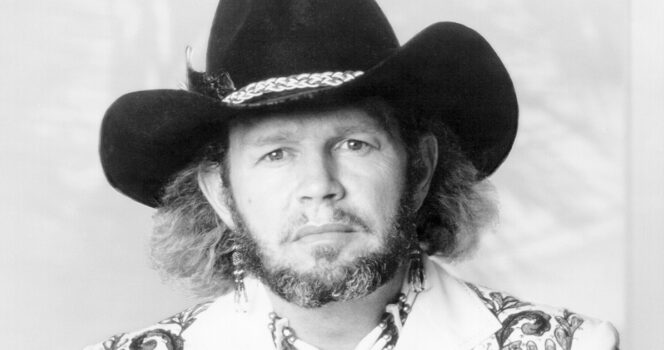
Country music is marking the loss of one of its most distinctive and polarizing voices, as David Allan Coe has died at the age of 86.
His passing was confirmed on April 29, though no official cause of death was immediately disclosed. For many fans, the news closes a chapter on a career that helped shape the rebellious edge of outlaw country — a movement that challenged the polished norms of Nashville during the 1970s.
Born on September 6, 1939, in Akron, Ohio, Coe’s early life stood in sharp contrast to the traditional path of most country artists. He spent significant time in correctional facilities as a young man, an experience that would later influence both his songwriting and his public persona. That outsider identity became central to his appeal, setting him apart in a genre often rooted in convention.
When he arrived in Nashville in 1967, success didn’t come easily. Like many artists of his era, he built his reputation gradually — first as a songwriter. His breakthrough came when Tanya Tucker recorded “Would You Lay With Me (In a Field of Stone),” which reached No. 1 in 1973. That moment opened the door to a recording contract and a wider audience.
By 1974, Coe had stepped into the spotlight with his debut album The Mysterious Rhinestone Cowboy. A year later, he released Once Upon a Rhyme, which included what would become his most recognizable song, You Never Even Called Me by My Name. The track blended humor, storytelling, and self-awareness, famously referring to itself as “the perfect country and western song.”
His style — a mix of country, blues, and rock — was carried by a deep, raspy baritone that made his music instantly recognizable. Songs like Longhaired Redneck and Willie, Waylon and Me further cemented his place among the genre’s more unconventional voices.
Coe’s influence extended beyond his own recordings. He also wrote Take This Job and Shove It, which became a major hit for Johnny Paycheck and evolved into a cultural anthem reflecting working-class frustration.
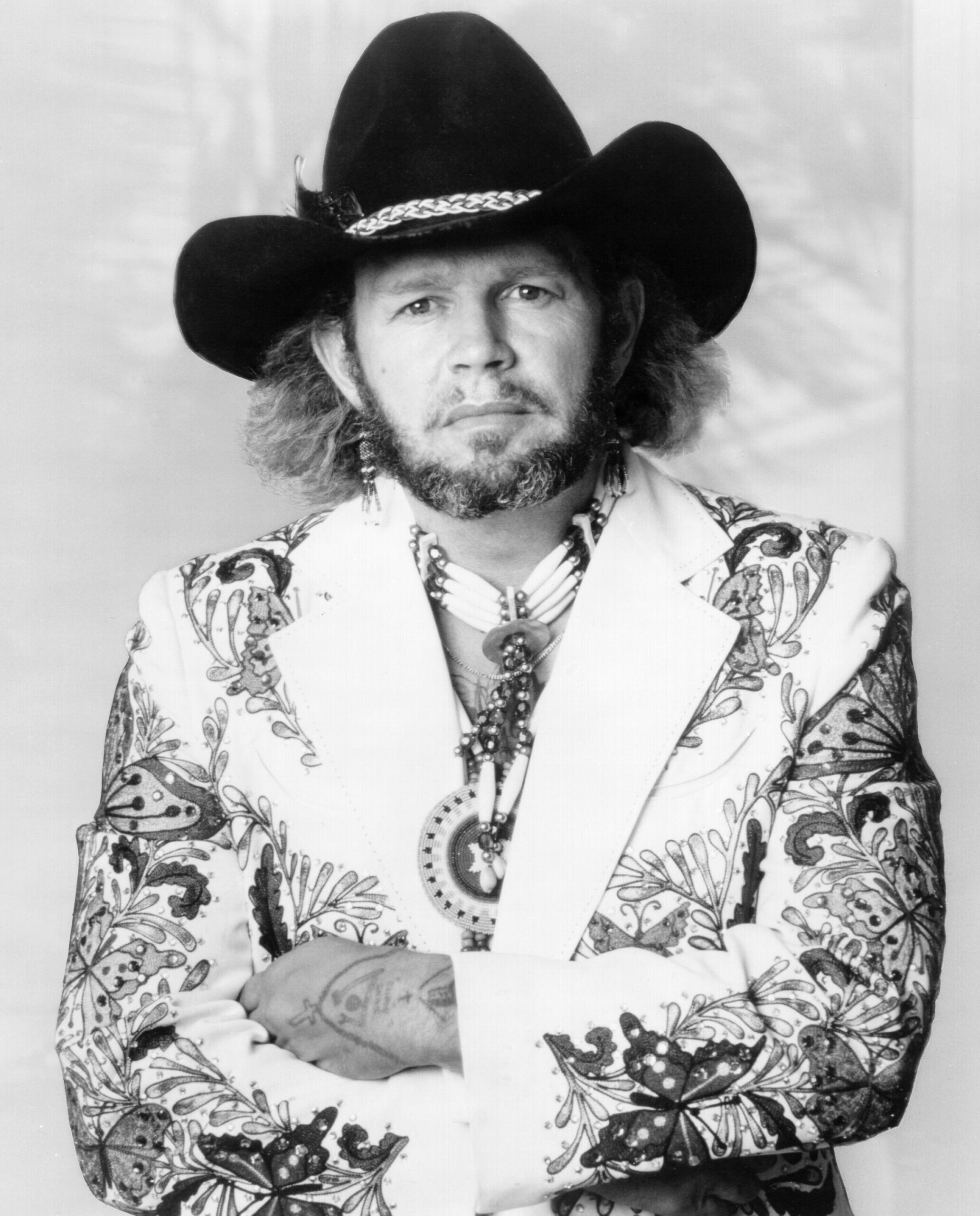
Although his peak commercial success came in the 1970s, Coe demonstrated longevity. His 1983 album Castles in the Sand marked a notable return, featuring “The Ride,” a track that resonated strongly with fans and reinforced his enduring appeal.
Yet his legacy has never been straightforward. Coe faced significant criticism for controversial material released in albums such as Nothing Sacred (1978) and Underground Album (1982). These works included explicit and offensive language, drawing backlash that followed him throughout his career. While Coe described the content as satirical or exaggerated, many listeners and critics remained unconvinced.
Legal issues also surfaced later in his life. In 2015, he pleaded guilty to obstructing IRS laws and was later sentenced to probation, alongside a substantial financial penalty in unpaid taxes.
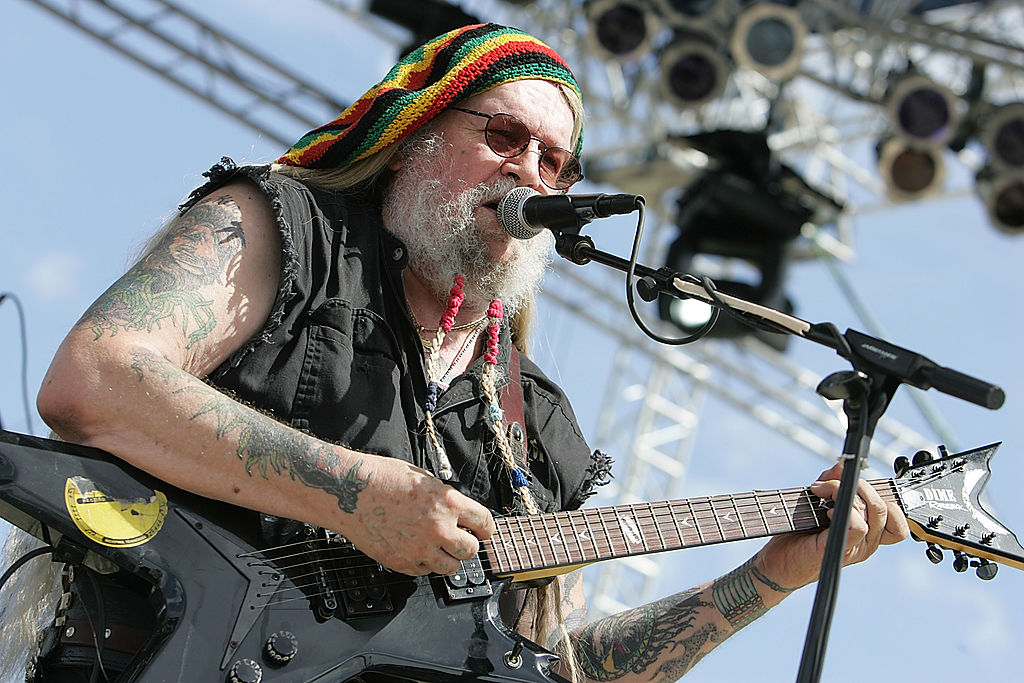
Despite these controversies, Coe continued to perform and record music well into his later years, maintaining a loyal fan base that appreciated his raw, unfiltered approach to storytelling.
On a personal level, he married Kimberly Hastings in 2010 and is survived by her and his children.
His passing leaves behind a complicated but undeniable legacy — one defined by musical influence, cultural impact, and a career that consistently refused to fit neatly into expectations.