
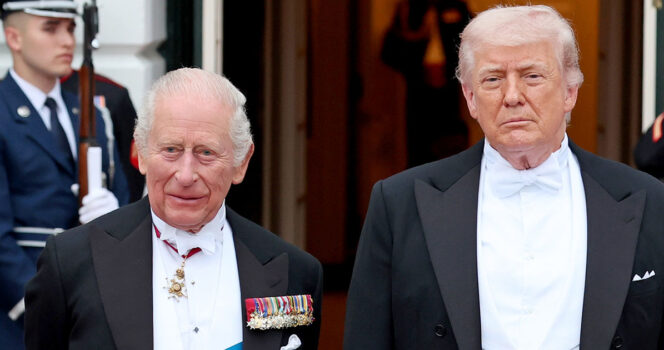
Donald Trump has spent several days hosting King Charles III and Queen Camilla during their high-profile state visit to the United States, a trip that carries both ceremonial significance and clear diplomatic intent. While the meetings at the White House have included traditional events and formal engagements, the broader context surrounding the visit has been far more complex.
Relations between the United States and the United Kingdom have faced strain in recent months, particularly over disagreements tied to the situation in Iran. Trump has openly criticized Britain’s stance, suggesting that the U.K. has not fulfilled its responsibilities as an ally. Against that backdrop, the presence of King Charles and Queen Camilla in Washington is widely viewed as an effort to reinforce longstanding ties and ease tensions through diplomacy.
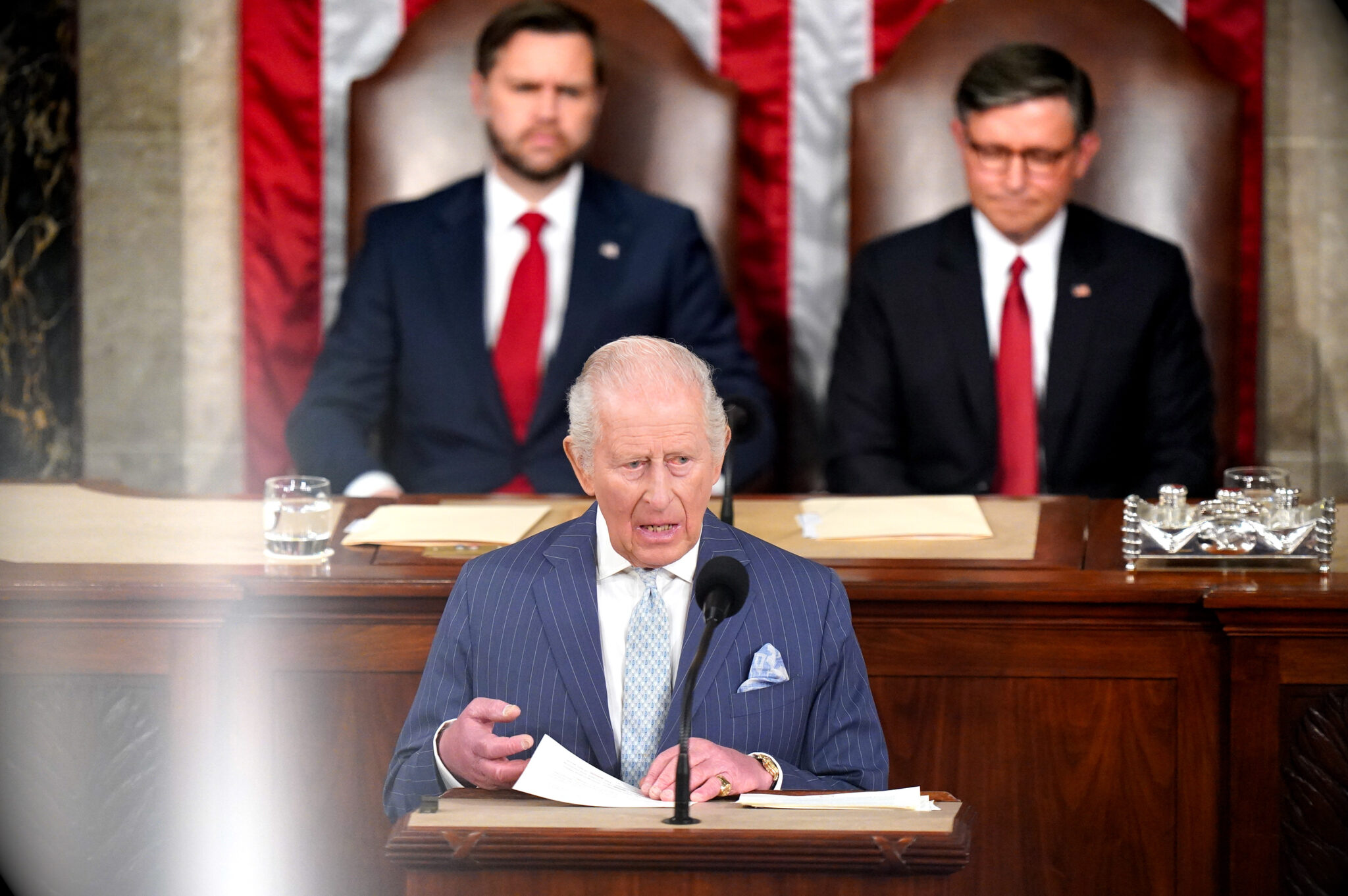
During his address to Congress, King Charles emphasized the deep historical bond between the two nations, choosing language that underscored continuity and mutual respect rather than division.
“Standing here today, it is hard not to feel the weight of history on my shoulder – because the modern relationship between our two Nations and our own peoples spans not merely 250 years, but over four centuries,” he said.
“So, I come here today with the highest respect for the United States Congress; this citadel of democracy created to represent the voice of all American people to advance sacred rights and freedoms.”
“Speaking in this renowned chamber of debate and deliberation, I cannot help but think of my late mother, Queen Elizabeth, who, in 1991, was also afforded this signal honour… Today, I am here… to express the highest regard and friendship of the British people to the people of the United States.”
As is customary, the monarch avoided direct political statements, instead referring broadly to global challenges and the importance of cooperation. Even so, some commentators interpreted certain remarks as carrying subtle undertones. During a separate tribute marking what would have been Queen Elizabeth II’s milestone birthday, Charles reflected on how she might have viewed current global tensions.
“Much about the times we now live in, I suspect, may have troubled her deeply, but I take heart from her belief that goodness will always prevail,” he said.
That comment led to speculation from some observers that it could be read as an indirect reference to ongoing geopolitical conflicts, including the situation involving Iran. However, such interpretations remain subjective, particularly given the Royal Family’s long-standing commitment to political neutrality in public statements.
The most striking moment of the visit, however, came during the State Dinner, when Trump made a claim that quickly drew attention. Speaking during a toast, he suggested that King Charles shared his stance on preventing Iran from acquiring nuclear weapons.
“We’re doing a little Middle East work right now… and we’re doing very well,” Trump said. “We have militarily defeated that particular opponent, and we’re never going to let that opponent ever… Charles agrees with me even more than I do. We’re never going to let that opponent have a nuclear weapon.”
The remark raised immediate questions, largely because King Charles had not publicly expressed any direct position on Iran during the visit. His references had remained general, focusing on “conflict in the Middle East” rather than naming specific countries or policies.
In response, a spokesperson for Buckingham Palace offered a carefully worded clarification.
“The King is naturally mindful of his Government’s long-standing and well-known position on the prevention of nuclear proliferation.”
The statement aligned with the established role of the British monarch, who does not set policy but reflects the position of the elected government. It also avoided confirming or denying Trump’s characterization directly, maintaining diplomatic balance.
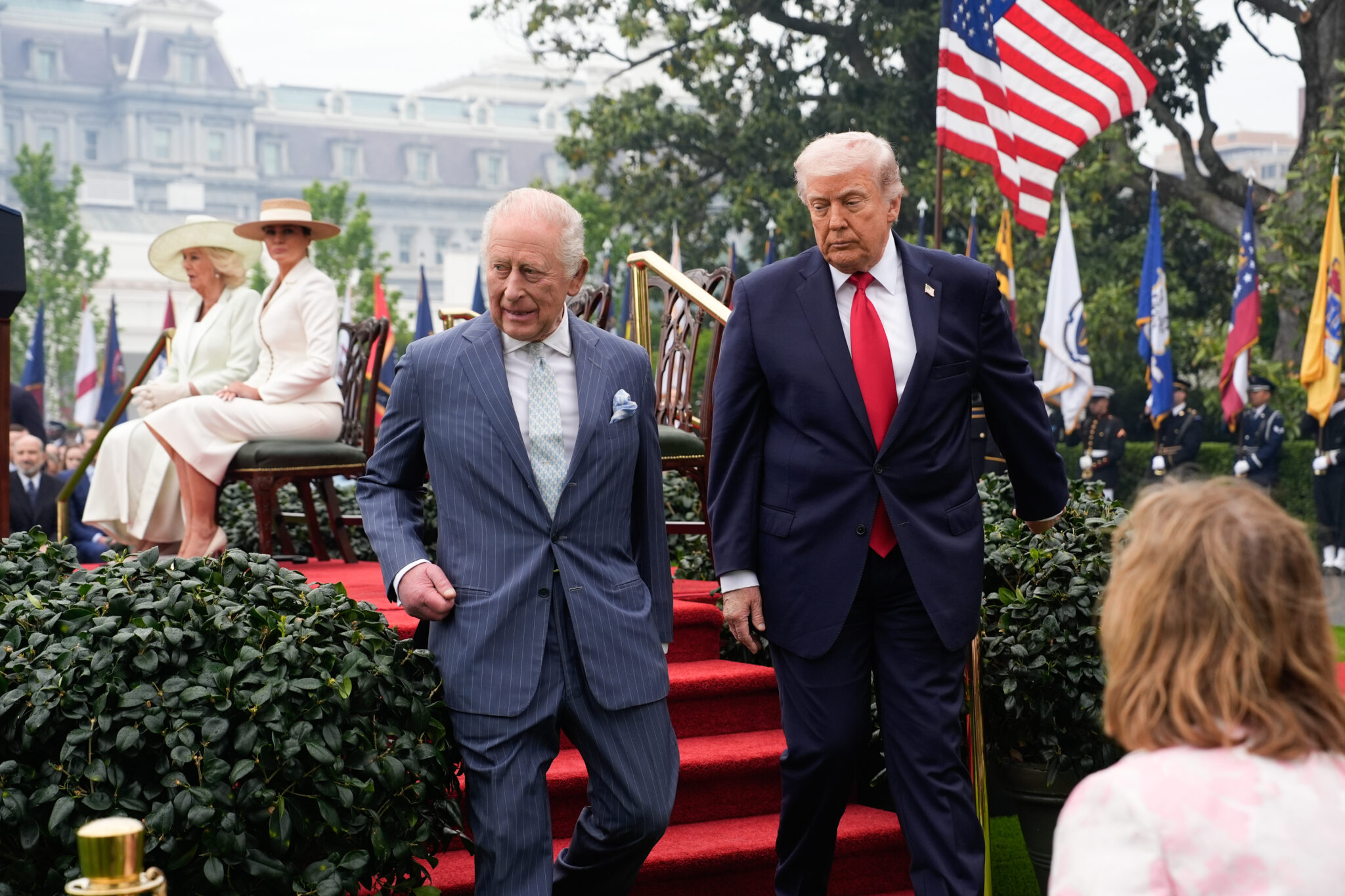
Moments like this highlight the delicate nature of state visits, where symbolism, language, and interpretation carry significant weight. Leaders may frame conversations in ways that support their own narratives, while royal figures typically remain measured and neutral, emphasizing unity over specificity.
The result is often a gap between what is said, what is implied, and what is ultimately confirmed. In this case, Trump’s assertion added a layer of intrigue to an already complex visit—one shaped not only by ceremony, but by the underlying realities of international politics.
As the visit continues, the focus remains on whether these interactions will help stabilize relations between the two countries or simply underline the differences that already exist.