When a Safe Home Turns into a Wake-Up Call
Julián always believed his home was the one place he didn’t have to worry. After a difficult separation, he withdrew into a quieter life, leaning on routine and isolation to regain a sense of control. His apartment became a retreat from everything that had gone wrong—predictable, silent, and entirely his. He assumed that closing the door on the outside world was enough to create safety. But over time, small oversights began to build in the background, unnoticed and unaddressed, quietly turning that sense of comfort into something far more fragile than he realized.
What started as harmless neglect slowly created the conditions for something much more serious.
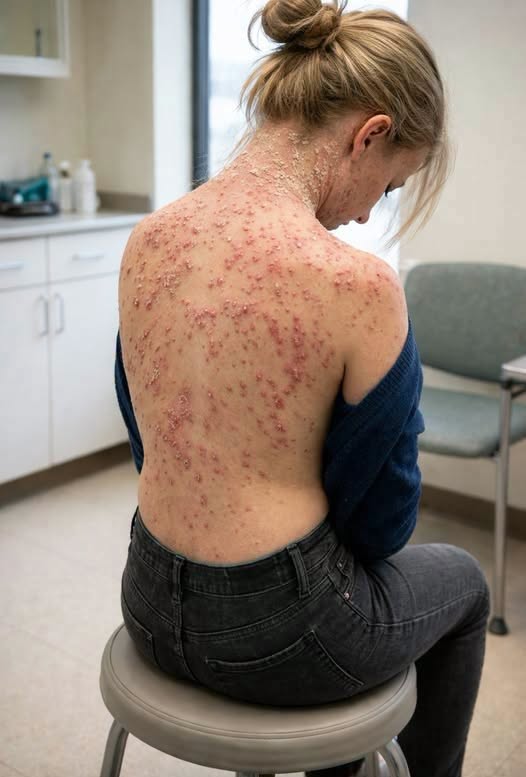
One night, everything shifted. Julián woke suddenly with an intense and unfamiliar physical reaction. His body felt wrong—disoriented, overwhelmed, unable to settle. At first, he couldn’t understand what was happening. There had been no warning, no obvious trigger. But as the discomfort escalated, it became clear that whatever was causing it wasn’t external—it was coming from the environment he trusted the most. The place he believed was safest had become the source of the problem.
His condition deteriorated quickly, turning confusion into a full medical emergency. By the time help arrived, his symptoms had intensified to the point where immediate intervention was necessary. He was rushed to the hospital, where doctors worked to stabilize him and identify the cause. What followed was a tense period of monitoring and recovery, as his body responded to the stress it had been under for longer than he knew.
When the explanation finally came, it wasn’t dramatic—but it was sobering. The issue wasn’t a single event. It was the result of accumulation. Doctors pointed to the environment he spent the most time in—his sleeping space—and explained how factors like poor ventilation, unnoticed moisture, and inconsistent cleaning habits can quietly create real health risks. Nothing extreme on its own, but together, enough to push the body past its limit.
Julián’s experience forced a complete shift in how he viewed his home. What once felt like a passive, protective space now demanded attention and responsibility. He began to understand that comfort doesn’t automatically mean safety, and that the environments we rely on most require the most awareness. Cleanliness, airflow, and routine maintenance were no longer optional details—they became part of how he protected his health.
The real lesson wasn’t about fear—it was about awareness. Major life changes often get our attention, but it’s the small, repeated habits that shape our well-being over time. The spaces we ignore are often the ones that affect us most, precisely because we stop questioning them.
Julián didn’t just recover physically—he changed the way he lived. And in doing so, he learned something simple but easy to overlook: the place you feel safest still needs care to actually be safe.