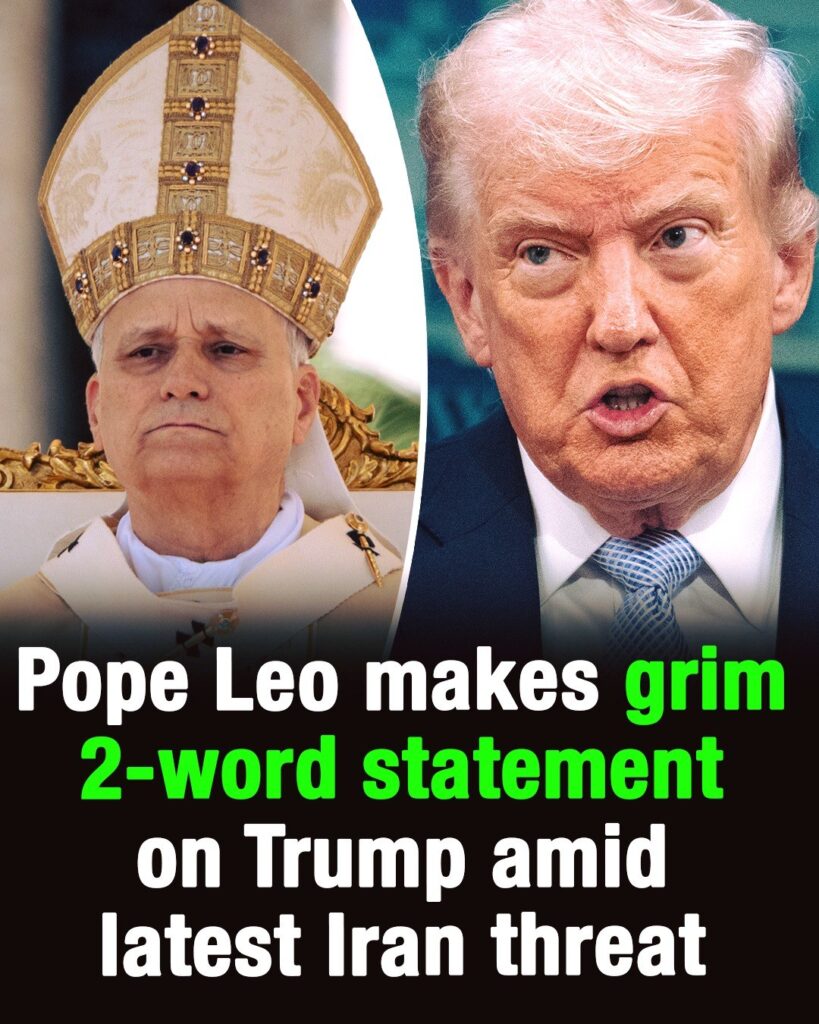
The agreement emerged under intense pressure, with President Donald Trump presenting it as a victory for American strength and diplomacy, while negotiators pushed to preserve a fragile opening for talks. Pakistan was widely reported as playing an important mediating role in helping both sides move away from a more catastrophic path. Yet even in the relief that followed, it was clear this was not a settled ending. It was a tense and conditional halt in a conflict that has already shaken the region and unsettled the world.
That is often how history turns. Not with clean resolutions, but with trembling moments in which destruction is delayed long enough for conscience to speak again.
The deeper weight of this story is not only military or political. It is moral. In recent days, the conflict had moved beyond strategy and into language so severe that it alarmed the international community. Trump’s warning that “a whole civilization will die tonight” if Iran did not comply drew outrage because it touched something larger than negotiation or deterrence. It exposed how quickly the language of power can drift toward the language of ruin.
Words matter, especially when spoken by those who command armies. They can calm nations or terrify them. They can create space for restraint or harden the spirit of vengeance. And once leaders begin speaking in terms that seem to make entire peoples disposable, the soul of politics has already begun to darken. The world does not become safer when threats grow apocalyptic. It becomes more spiritually disordered, more morally numb, and more willing to accept what should never be normalized.
That is why Pope Leo XIV’s response struck so deeply. He called such threats “truly unacceptable” and warned against attacks on civilians and civilian infrastructure, urging leaders to return to the table rather than deepen the wound. His words carried the force of an older truth the modern world keeps forgetting: strength without restraint becomes cruelty, and victory without conscience becomes another form of defeat.
There is a lesson here that reaches far beyond this one conflict. Nations, like people, are often most dangerous when they are most convinced of their own righteousness. Once pride takes the place of wisdom, every opponent becomes evil, every compromise looks like weakness, and every threat begins to feel justified. But history has buried too many empires, too many armies, and too many grieving children under that same illusion.
The ceasefire matters because it interrupts that momentum, even if only briefly. It gives diplomacy a chance to breathe. It gives the world a chance to remember that not every show of force is strength, and not every pause is surrender. Sometimes stopping is the most courageous thing a leader can do. Sometimes refusing to destroy is more powerful than the capacity to destroy.
Even so, this remains a fragile calm. Reports differ over what full compliance looks like, and the situation around the Strait of Hormuz remains uncertain, with major disruption still affecting shipping and energy markets. That uncertainty is its own warning: a pause in violence is not the same thing as the healing of the causes beneath it.
And that is where the heart must stay clear. The real measure of this moment is not who claims victory first. It is whether the powerful can resist the temptation to return to destruction the moment talks become difficult. It is whether leaders can look beyond pride, beyond image, beyond the need to dominate, and recognize the sacred weight of human life before more of it is shattered.
Because beneath all the maps, speeches, alliances, and threats are ordinary people who did not ask to become symbols in a geopolitical struggle. Families who want safety. Children who want tomorrow. Elderly people who want peace before the end of their days. The sick who cannot survive on slogans. The poor who suffer first whenever strong men gamble with fire. In every conflict, these are the ones most easily forgotten, and yet they are the ones heaven notices first.
For now, the ceasefire stands as a small mercy in a season of danger. Whether it becomes the foundation of something lasting or merely a pause before another storm will depend on what comes next: discipline, honesty, restraint, and the willingness to value life more than triumph.
Peace is rarely born from humiliation. It is built through restraint, truth, and the courage to step back when pride demands one more blow.