…ver truly leave him. That night, he swore he would never touch a guitar again. He felt the phantom chill of the wreckage in his bones, a cold that no amount of fame or neon lights could ever quite thaw. But destiny is a persistent creditor, and it dragged him back into the spotlight, forcing him to trade his peace for a life of outlaw rebellion that would define a generation.
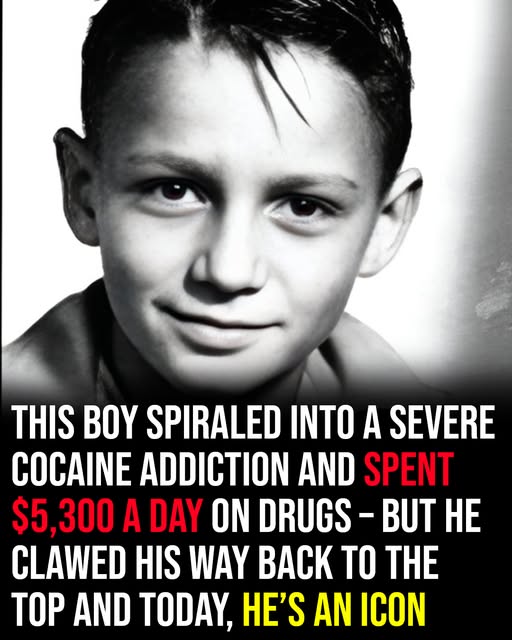
Waylon Jennings’ life became a storm that refused to break. As he rose to the top of the Nashville charts, he found himself trapped in a gilded cage of his own making. The industry wanted a polished puppet, but Waylon was a man of the earth, a rebel who refused to be molded. He fought for his sound, his band, and his soul, but the battle took a devastating toll. The guilt of the crash, combined with the relentless pressures of stardom, pushed him into a dark, suffocating embrace with cocaine.
For years, the “Outlaw” persona wasn’t just a marketing gimmick; it was a survival mechanism. He spent his fortune, strained his voice, and pushed his family to the brink, living on a razor’s edge of excess. He was a man running from his own reflection, fueled by the belief that he didn’t deserve the life he had been granted while others were lost in the snow. The drugs became a way to numb the silence of the night, a way to stop the memories of that doomed plane from screaming back into his consciousness.
Yet, even in the deepest trenches of his addiction, the music remained his only tether to reality. Beneath the leather and the bravado, there was a man desperate to find a way back to the light. The turning point didn’t come from a record label executive or a fan’s applause; it came from the eyes of his son. He realized that if he didn’t stop, he would not only lose his legacy but everything that actually mattered.
Walking away from the life he had built was the hardest song he ever had to write. The recovery was not a clean break, but a slow, agonizing climb toward redemption. When he finally stepped back into the studio, he wasn’t just a country star anymore; he was a man who had faced his demons and lived to tell the tale. His comeback was more than a professional milestone—it was a spiritual reclamation. He reclaimed his sound, his dignity, and his purpose, transforming the wreckage of his past into lyrics that resonated with the broken and the brave.
Waylon Jennings didn’t escape the consequences of his choices, and he never claimed to be a saint. He was a man who understood that grace is not given, but earned through the fire of experience. His story remains a testament to the fact that even the most haunted souls can leave behind something fiercely, beautifully human. He taught us that it is never too late to stop running, and that sometimes, the most powerful song you can sing is the one you write after you’ve finally decided to come home.