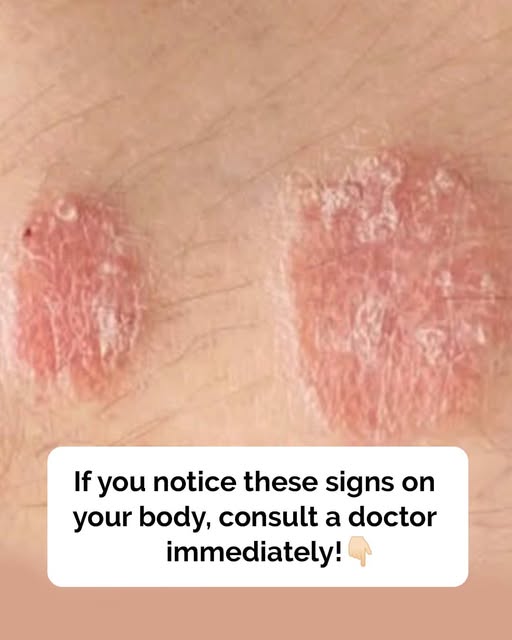
The condition is psoriasis, and it is far more complex than the patches of dry skin many assume it to be. At its core, psoriasis is an autoimmune malfunction that accelerates the life cycle of your skin cells. Instead of shedding naturally, these cells pile up on the surface at a frantic pace, creating the thick, inflamed plaques that can make even the simplest tasks feel like a battle against your own body. For the 125 million people living with this condition worldwide, it is a constant, exhausting struggle that interferes with sleep, focus, and emotional well-being.
Recognizing the Five Faces of Psoriasis
Understanding what you are up against is the first step toward reclaiming your health. The National Psoriasis Foundation identifies five distinct types, each requiring a different level of vigilance:
- Plaque Psoriasis: The most common form, presenting as raised, red patches with a silvery, scaly overlay. These plaques often settle on the elbows, knees, and scalp, serving as a persistent reminder of the inflammation beneath.
- Guttate Psoriasis: Often triggered by bacterial infections like strep throat, this type appears as small, teardrop-shaped spots across the torso and limbs. It is a sudden, jarring onset that demands prompt medical attention.
- Inverse Psoriasis: This form is particularly deceptive, hiding in the delicate folds of the skin like the groin or under the breasts. Because it lacks the typical scaling, it is often mistaken for a simple fungal infection, yet it requires specialized care to manage the friction and moisture that fuel it.
- Pustular Psoriasis: A dramatic and serious presentation characterized by pus-filled blisters on a red, inflamed base. If you notice these, do not wait; they can be accompanied by fever and chills, signaling that your body is under significant stress.
- Erythrodermic Psoriasis: The rarest and most dangerous form. This causes widespread, intense redness and skin shedding that can cover the entire body. It is a medical emergency that often requires immediate hospitalization to stabilize the body’s temperature and fluid balance.
Beyond the Surface
The reach of psoriasis often extends beyond the skin. Many patients report changes to their nails—pitting, thickening, or even detachment from the nail bed. These are not just aesthetic issues; they are often the early, critical warning signs of psoriatic arthritis, a condition that can cause permanent joint damage if left untreated.
You do not have to live in a state of constant discomfort. By recognizing these patterns early, you empower yourself to seek the professional dermatological care necessary to manage symptoms and protect your long-term health. Your skin is speaking to you; it is time to start listening. If you have navigated the challenges of a skin condition or discovered a way to manage your symptoms, share your journey in the comments below. Your experience might be the exact guidance someone else needs to take the first step toward their own healing.
{"post":98878,"page":2,"next":[{"id":98871,"title":"Generous Son Protects Anniversary Seaside Home From Relatives Seeking Quick Profit","url":"https:\/\/new24.info\/98871"},{"id":98859,"title":"I Secretly Watched My Nanny to Catch Her Doing Nothing and What I Learned About My Family Broke Me","url":"https:\/\/new24.info\/98859"},{"id":98856,"title":"Mysterious Envelope Delivered At Funeral Reveals Decades Old Secret About Husband","url":"https:\/\/new24.info\/98856"},{"id":98845,"title":"In what\u2019s being described as an almost unbelievable survival story, a U.S. airman turned a devastating crash into a race against time in hostile terrain. Stranded high in the mountains, injured and alone, he managed to climb to a narrow rock crevice just moments before search teams began sweeping the area below. For the next 36 hours, he stayed completely still, hidden in freezing conditions as the sound of footsteps moved closer and closer. - Top News US UK","url":"https:\/\/new24.info\/98845"},{"id":98844,"title":"I Married My Friend\u0027s Wealthy Grandfather for His Inheritance \u2013 On Our Wedding Night, He Looked at Me and Said, \u0027Now That You\u0027re My Wife, I Can Finally Tell You the Truth\u0027","url":"https:\/\/new24.info\/98844"},{"id":98840,"title":"Tiger Woods\u0027 New Mugshot Sparks Concern over His Expression \u2014 Photo","url":"https:\/\/new24.info\/98840"},{"id":98837,"title":"Trapped Between Earth and Breath: A Story of Curiosity, Risk, and Survival -","url":"https:\/\/new24.info\/98837"},{"id":98831,"title":"How One Woman Turned A Sudden Separation Into A Major Financial Victory","url":"https:\/\/new24.info\/98831"},{"id":98826,"title":"Greedy Ex Husband Takes Everything But Overlooks One Crucial Legal Detail","url":"https:\/\/new24.info\/98826"},{"id":98822,"title":"After battling cancer, a North Texas 9-year-old is on a mission to help other kids fight","url":"https:\/\/new24.info\/98822"},{"id":98820,"title":"Tiny Holes Near Human Ears Might Reveal Fascinating Ancient Evolutionary Secrets","url":"https:\/\/new24.info\/98820"},{"id":98809,"title":"Years After Learning My Son Wasn\u2019t Mine, He Showed Me the True Meaning of Family","url":"https:\/\/new24.info\/98809"},{"id":98806,"title":"What\u2019s Happening With Global Security? Here\u2019s the Latest","url":"https:\/\/new24.info\/98806"},{"id":98805,"title":"Warning signs you should never ignore on your skin","url":"https:\/\/new24.info\/98805"},{"id":98798,"title":"Viral Korea Attack Claim Debunked \u2014 What Really Happened","url":"https:\/\/new24.info\/98798"},{"id":98797,"title":"What Does a Blood Clot Feel Like? Experts Share Common Signs and Symptoms","url":"https:\/\/new24.info\/98797"},{"id":98796,"title":"Search Results for \u201cAircraft Incident Prompts Emergency Response\u2014Details Emerging-\u201d \u2013 SacForum","url":"https:\/\/new24.info\/98796"},{"id":98792,"title":"Pilot\u2019s 3-word message after Iran shot down F-15E revealed","url":"https:\/\/new24.info\/98792"},{"id":98786,"title":"Student \u0027burned alive\u0027 after being trapped by her Tesla","url":"https:\/\/new24.info\/98786"},{"id":98784,"title":"My inheritance came with a twist!","url":"https:\/\/new24.info\/98784"}]}