
…because psychological suffering played a central role.
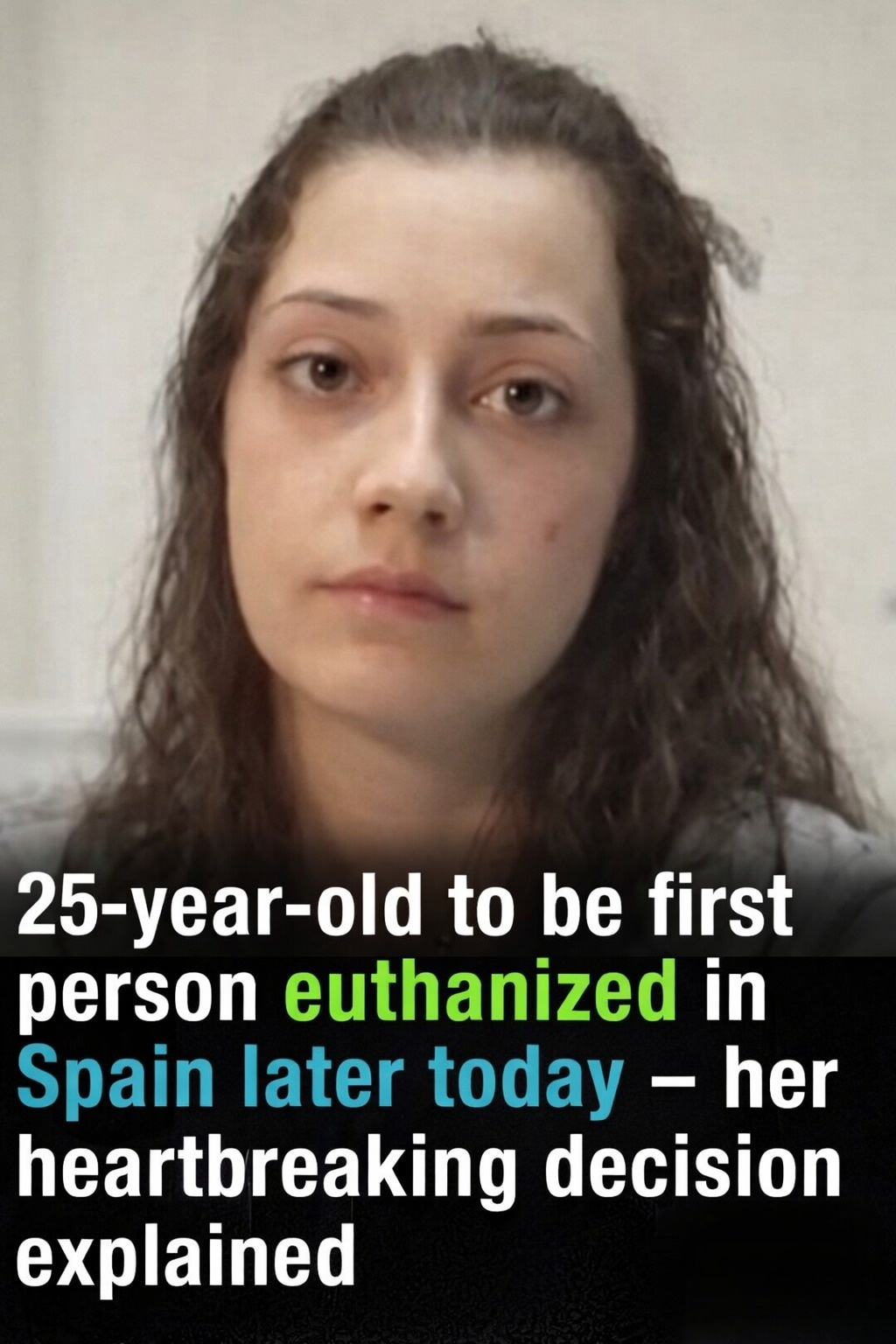
Noelia’s situation began with a series of traumatic events that reshaped her life. In 2022, while living in a supervised facility, she experienced a serious assault. In the aftermath, she attempted to end her life by jumping from a building. She survived, but the injuries left her paraplegic. Alongside the physical consequences, she was diagnosed with multiple mental health conditions, including severe depression, obsessive-compulsive disorder, and borderline personality disorder. Medical professionals later described her condition as involving persistent and unbearable suffering.
Her request for euthanasia was evaluated under Spain euthanasia law, which allows individuals with serious and incurable conditions to seek medical assistance in ending their lives, provided strict criteria are met. While the law does not exclude psychological suffering, such cases remain rare and subject to careful scrutiny.
Initially approved in 2024, her request faced a significant legal challenge from her father, who argued that her mental health conditions could affect her capacity to make a stable and informed decision. This introduced a critical question: how should the law assess autonomy when mental health is a central factor?
The case proceeded through judicial review, during which Noelia consistently reaffirmed her decision. Courts examined medical evaluations, expert opinions, and procedural safeguards designed to ensure that such choices are made freely and with full awareness. Ultimately, the ruling upheld her request, finding no evidence that contradicted the professional assessments of her condition or her decision-making capacity.
Beyond the legal outcome, the case has intensified public and ethical debate. It raises complex questions about where the boundaries of euthanasia should lie, particularly when suffering is not solely physical. It also highlights the tension between respecting individual autonomy and ensuring protection for vulnerable individuals.
There are no simple answers. What this case illustrates is the evolving nature of how societies understand suffering, dignity, and choice. As legal frameworks encounter situations that fall outside traditional definitions, they are forced to adapt—often in ways that spark difficult but necessary conversations.
In the end, the story is not only about a legal decision. It is about the broader challenge of balancing compassion, autonomy, and responsibility in circumstances where each carries profound weight.