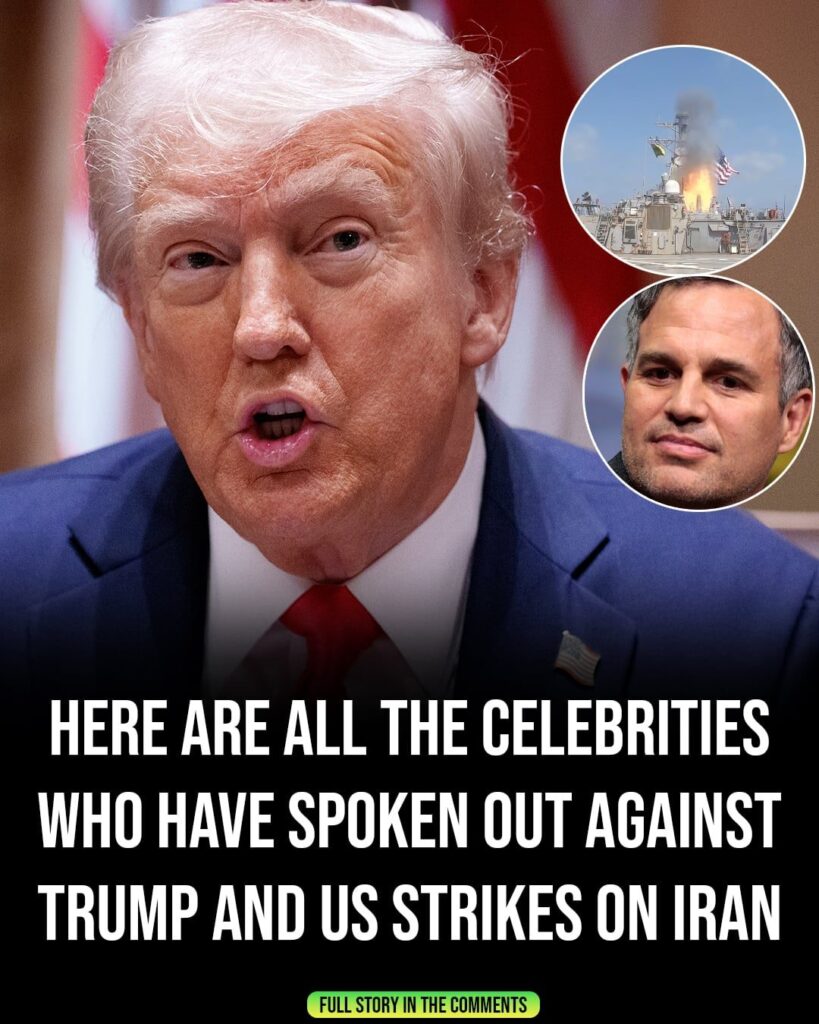
The backlash that followed U.S. and Israeli airstrikes on Iran unfolded as much on social media as it did in diplomatic chambers. Within hours of reports emerging, entertainers, authors, and cultural figures began expressing sharp criticism. Their reactions reflected a broader unease that military escalation carries consequences far beyond strategic calculations.
For many artists, the strikes represented more than a foreign policy maneuver. They framed the moment as a moral crossroads. Musicians and actors described the escalation as reckless and disconnected from the human cost that inevitably accompanies armed conflict. Their posts suggested that decisions made at the highest levels of power ripple outward into homes, families, and communities across borders.
Jack White publicly questioned what he described as a sudden shift toward a “war posture,” raising concerns about consistency and transparency. Rosie O’Donnell accused former President Donald Trump of contradicting earlier peace-oriented messaging. John Cusack characterized the operation as a potential distraction from domestic controversies, invoking the phrase “wag-the-dog” to suggest political motive. Stephen King raised constitutional questions, calling attention to the role of Congress in authorizing military force. Carrie Coon used stark language to emphasize the human stakes, while Mark Ruffalo pointed to the influence of advisers and the direction of strategic counsel.
Together, these voices reflected a larger anxiety about accountability and leadership integrity. Their criticism resonated with audiences already wary of deepening instability in an already volatile region. For supporters of the strikes, however, the narrative looked different. They argued that decisive action was necessary to counter threats posed by Iran’s leadership and to protect national security interests. From that perspective, deterrence—not escalation—was the goal.
The divide illustrated a familiar pattern in modern crises: policy decisions quickly become cultural flashpoints. Social media accelerated the debate, amplifying both condemnation and defense in real time. What once might have unfolded primarily through press conferences and editorials now plays out instantly through millions of posts, reactions, and shared clips.
Beneath the rhetoric lies a deeper question that transcends party lines: how should democratic societies weigh security concerns against humanitarian risks? Military decisions are often framed in strategic language—deterrence, proportional response, regional stability—but they are experienced in profoundly human terms.
Moments like this reveal how public figures increasingly function as moral commentators. Whether one agrees with their positions or not, their reactions highlight the emotional dimension of geopolitical events. War is never only about territory or leverage; it touches fears about safety, justice, and the value of human life.
In times of escalation, public discourse can quickly harden into accusation and counter-accusation. Yet crises also invite reflection. Power carries responsibility. Security demands wisdom. And lasting peace, history shows, rarely emerges from impulse alone.
The intensity of the celebrity response underscores how global events resonate far beyond government briefings. They enter living rooms, timelines, and personal conversations. In that sense, the debate is not merely about one strike or one administration. It is about how societies navigate fear, authority, and conscience when the stakes are measured in human lives.