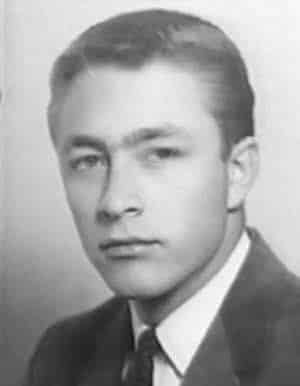
Bill Bixby was born Wilfred Bailey Everett Bixby III in 1934, and his life unfolded in the steady, unglamorous way that builds real legacy rather than quick fame. He left UC Berkeley not in rebellion, but in quiet pursuit of what felt true, moving from modeling and commercials into acting until his warmth finally found a home on television.
His breakthrough came in My Favorite Martian, where he played reporter Tim O’Hara opposite Ray Walston. There was nothing forced about Bixby’s charm. Audiences trusted him instinctively. He felt familiar in the way good neighbors do — steady, open, and easy to root for. That natural likability carried him through a career that never needed spectacle to endure.
Yet it was in quieter, deeper roles that his gift truly settled.
In The Courtship of Eddie’s Father, he portrayed a widowed father raising his son with tenderness and humility, earning Emmy nominations not for grand emotion, but for honesty. And later, in The Incredible Hulk, he gave Dr. David Banner a humanity that transformed a comic story into something almost spiritual — a man wrestling with grief, anger, and the cost of losing control. His warning, “You wouldn’t like me when I’m angry,” wasn’t bravado. It was sorrow.
Even as an actor, Bixby never chased the spotlight. And as a director, especially on Blossom, he became known for discipline, kindness, and high standards — a man who respected both craft and people.
Behind the scenes, life tested him far more harshly than any script.
After his divorce in 1980, tragedy arrived in waves. His young son Christopher died suddenly from a rare infection. Not long after, his former wife Brenda Benet took her own life. These were not wounds that fade quickly — or ever completely. Yet Bixby did not turn bitter, loud, or broken in public. He carried grief quietly, choosing privacy over performance, simplicity over escape.
Those who knew him described a man who withdrew from Hollywood noise and lived gently in Malibu, pouring what remained of his strength into his work.
In 1991, he was diagnosed with prostate cancer. Instead of hiding it, he spoke openly, urging men to seek early testing. Even when the illness weakened him, he kept directing — sometimes from a sofa when standing became impossible. Not out of pride, but out of devotion.
Near the end of his life, he married Judith Kliban in 1993, finding a brief season of peace before passing away at 59.
Bill Bixby’s story is not one of constant triumph.
It is one of endurance.
He showed that warmth can exist without weakness, that grief can live beside professionalism, and that dignity does not require noise. His legacy isn’t only in iconic roles — it’s in the quiet strength of a man who kept giving even when life kept taking.
Fame remembers his characters.
Those who look closer remember his courage.
And perhaps that is the truest measure of a life well lived — not how brightly it shines, but how steadily it remains kind.