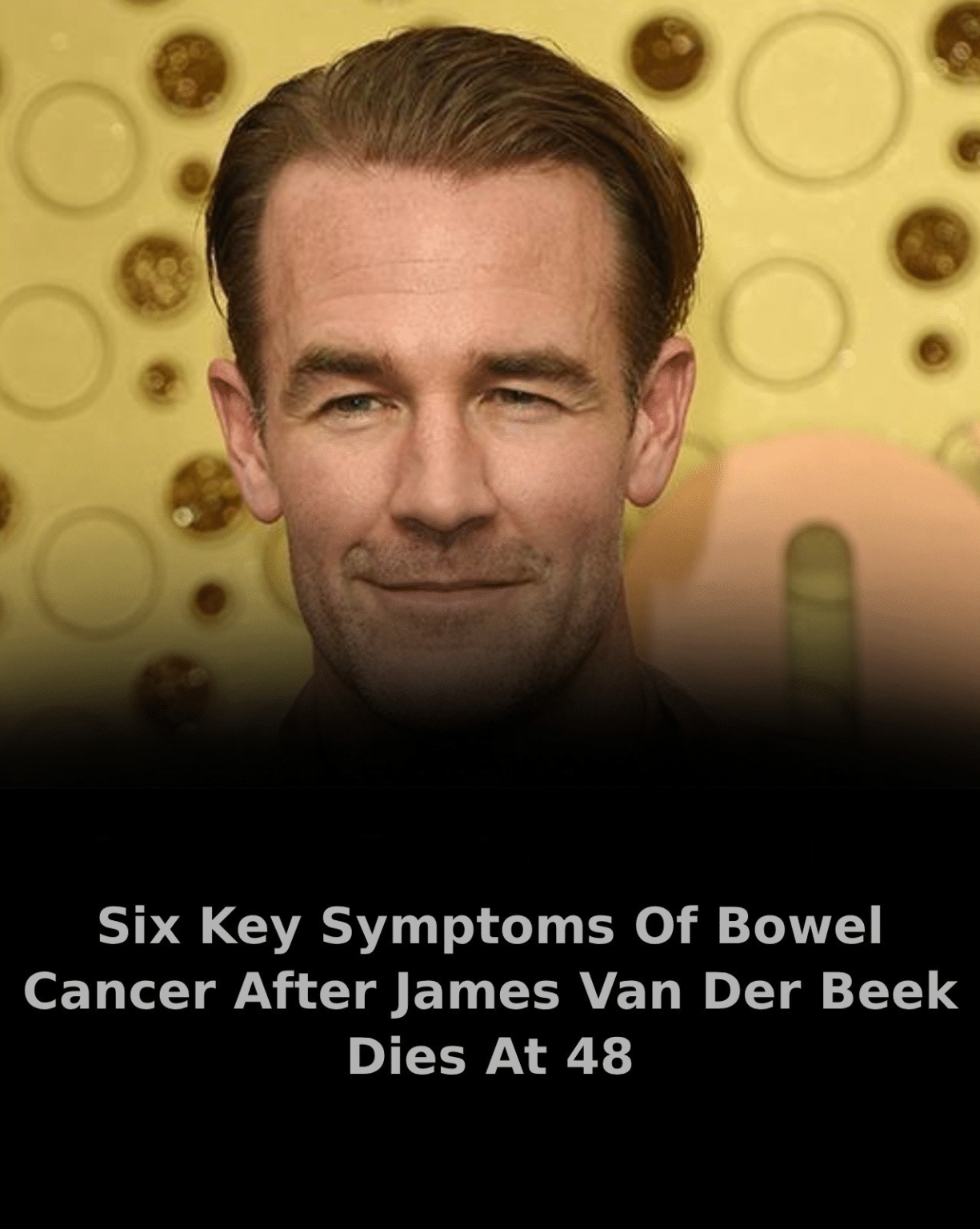
**James Van Der Beek’s Final Warning: “You Can Have No Symptoms and Still Have Cancer”
Less than two months before his death from colorectal cancer at just 48, James Van Der Beek shared a sobering truth:
“You can have no symptoms and still have cancer.”
Those words now stand as a powerful reminder of why early screening matters—regardless of age, fitness level, or how healthy someone feels.
His message reflects a much wider reality: colorectal cancer remains one of the world’s deadliest and most underestimated diseases.
A Global Health Crisis
Colorectal cancer continues to claim hundreds of thousands of lives every year.
In 2020 alone, an estimated 930,000 people worldwide died from the disease. In the United States, it is projected to cause more than 55,000 deaths in 2026, according to the American Cancer Society.
Behind these statistics are real people and real families.
In 2020, Chadwick Boseman died at just 43. Now, Van Der Beek has joined the list of high-profile figures lost to the same illness—showing that cancer does not discriminate by age or fame.
From “Minor Symptoms” to a Life-Changing Diagnosis
In a November 2024 interview with People, the star of Dawson’s Creek revealed that he was diagnosed with stage 3 colorectal cancer at 46.
At the time, he never imagined he could be seriously ill.
“I’d always associated cancer with age and unhealthy lifestyles,” he said. “But I exercised, ate well, and felt strong.”
In the summer of 2023, he began noticing subtle changes in his bowel habits. At first, he dismissed them.
“I thought maybe I needed to stop coffee,” he explained. “When that didn’t help, I finally decided to get checked.”
He underwent a colonoscopy and felt fine afterward—until the doctor delivered devastating news.
“He said it was cancer. I think I went into shock.”
Signs and Symptoms People Often Overlook
Colorectal cancer is especially dangerous because early symptoms are often mild or vague.
According to the American Cancer Society, warning signs may include:
-
Changes in bowel habits (constipation, diarrhea, softer stools)
-
Blood in stool (red or dark/black)
-
Ongoing abdominal discomfort or cramping
-
Unexplained weight loss
-
Fatigue or weakness (often from anemia)
-
A feeling that the bowel doesn’t fully empty
Many people ignore these symptoms, assuming they’re caused by stress, diet, or minor digestive issues. When symptoms persist for weeks, medical advice is essential.
Treatment and Why Early Detection Matters
Treatment for colorectal cancer usually begins with surgery to remove the tumor. Depending on the stage, chemotherapy and radiation may follow.
The Mayo Clinic notes that treatment plans are tailored to each patient, based on cancer stage, overall health, and personal circumstances.
When detected early, survival rates are very high. When detected late, treatment becomes far more difficult.
This is why screening is so important.
“You Don’t Need Symptoms to Have Cancer”
In December 2025, Van Der Beek spoke with NBC 6 and stressed that he almost delayed testing because he didn’t feel seriously ill.
“Nothing made me rush to the doctor,” he said.
Screening is now recommended starting at age 45 in many regions, yet millions postpone it—believing they would “feel” something if cancer were present.
Van Der Beek challenged that belief directly:
“The biggest misconception is thinking you need something seriously wrong to get screened. You don’t. You can have no symptoms and still have cancer.”
He later shared that seeing friends get screened and treated early reinforced how many lives could be saved.
A Legacy of Awareness
James Van Der Beek passed away on February 11, surrounded by family.
In a statement, his loved ones wrote:
“Our beloved James David Van Der Beek passed peacefully this morning. He met his final days with courage, faith, and grace.”
After making his diagnosis public, he chose not to hide. Instead, he used his platform to encourage others to take their health seriously.
His message was simple and urgent:
-
Don’t ignore subtle symptoms
-
Don’t delay screening
-
Don’t assume “it won’t happen to me”
Final Word: A Message That Can Save Lives
Van Der Beek’s story is not just about loss—it is about prevention.
Colorectal cancer is increasingly affecting younger adults. Many cases could be caught early through routine screening and attention to warning signs.
His final warning remains clear:
You don’t have to feel sick to be at risk.
By getting screened and listening to your body, you may protect not only your own life—but the lives of those who love you.
If this story encourages even one person to book a screening, his legacy of awareness will continue to save lives.