
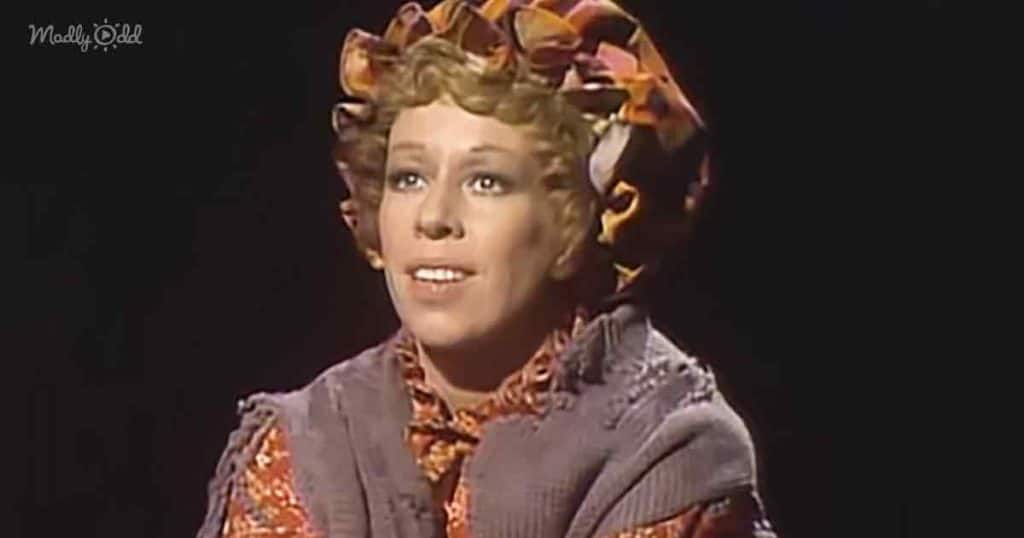
Carol Burnett had a rare gift—the ability to freeze a moment in time. A single sketch from her iconic variety show could move you from uncontrollable laughter to quiet amazement in the blink of an eye. And few characters captured that magic better than her unforgettable Charwoman, affectionately remembered by many as the “Mop Lady.” She wasn’t just tidying up a stage—she was dancing straight into television history.
The Carol Burnett Show stood in a class all its own. CBS may not have fully realized it at the start, but this wasn’t just another comedy program—it was a cultural turning point. Week after week, Carol and her cast transformed living rooms into front-row seats for something wildly unpredictable. From the Charwoman’s tender musical moments to over-the-top parodies, the show elevated ordinary life into something timeless.
The series premiered in 1967 and ran until 1978, delivering 279 episodes packed with laughter, music, and heart. When Burnett briefly returned to television in 1991, it felt like reconnecting with someone you never stopped missing. The accolades only confirm what audiences already knew—25 Primetime Emmy Awards and recognition among Time’s greatest TV shows weren’t handed out lightly.
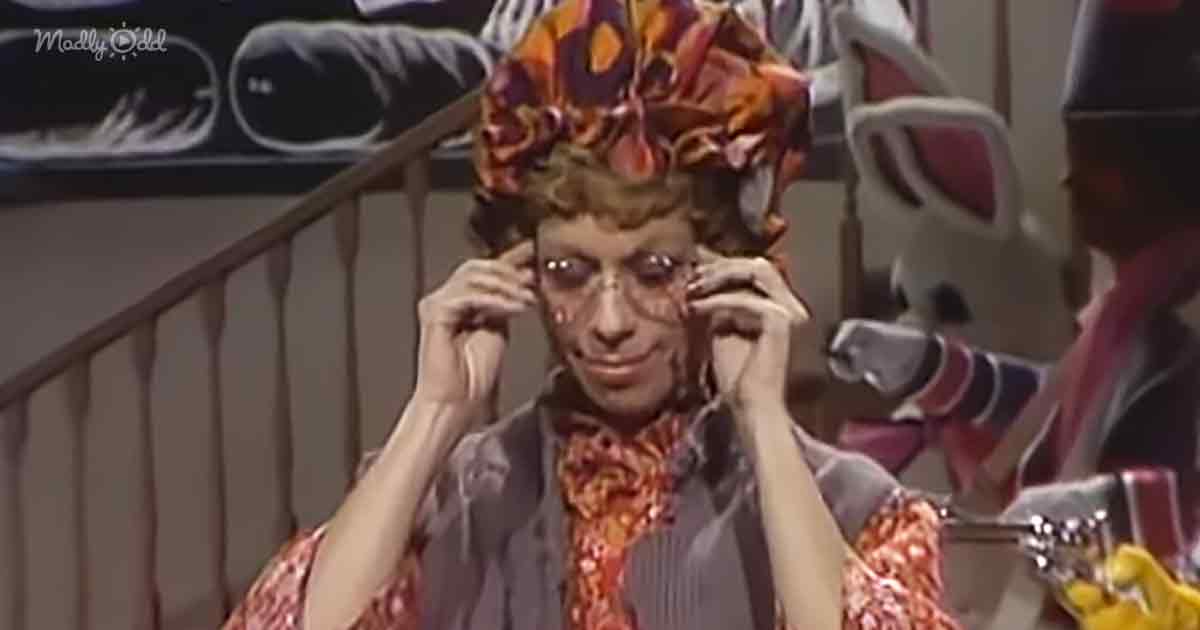
What makes the story even more remarkable is how uncertain it all seemed at the beginning. In the 1960s, network executives weren’t convinced a woman could anchor a weekly variety show. Carol Burnett proved them wrong—spectacularly. Thanks to a clause in her contract, she was given the opportunity, and she didn’t just rise to it—she completely owned it. Audiences adored her, and CBS quickly realized they were witnessing something truly special.
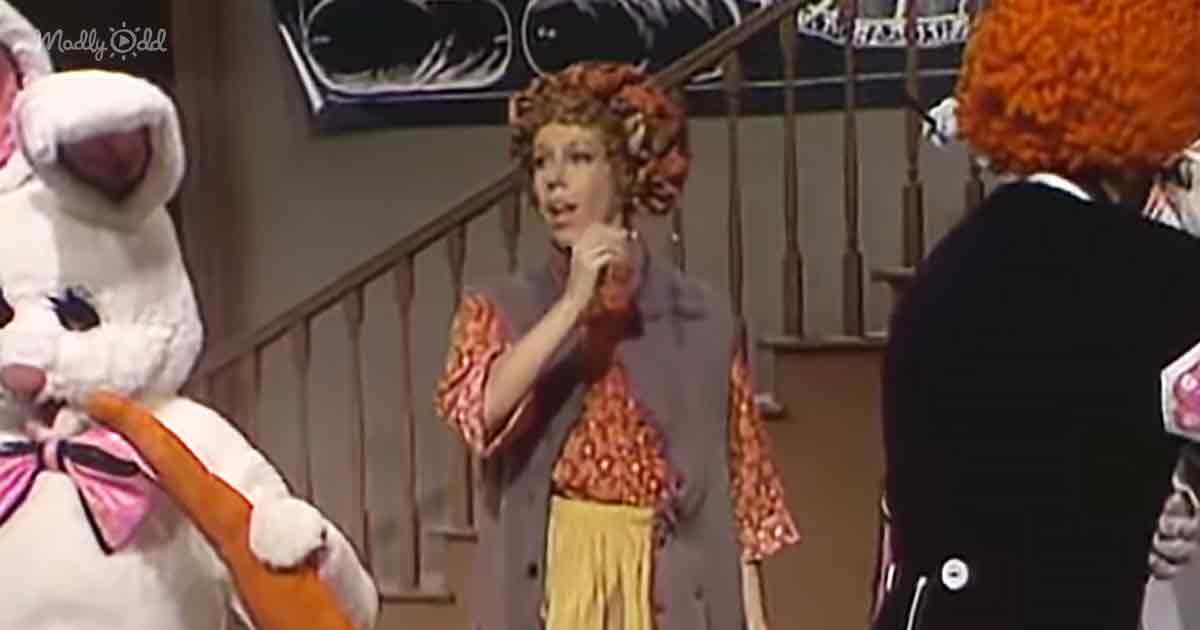
The Charwoman became more than a recurring character. She was a symbol of Burnett’s brilliance—someone who could find poetry in the simplest moments. Whether quietly sweeping, breaking into song, or popping up in unexpected places (even on Sesame Street), the character celebrated the beauty of small joys and shared laughter.
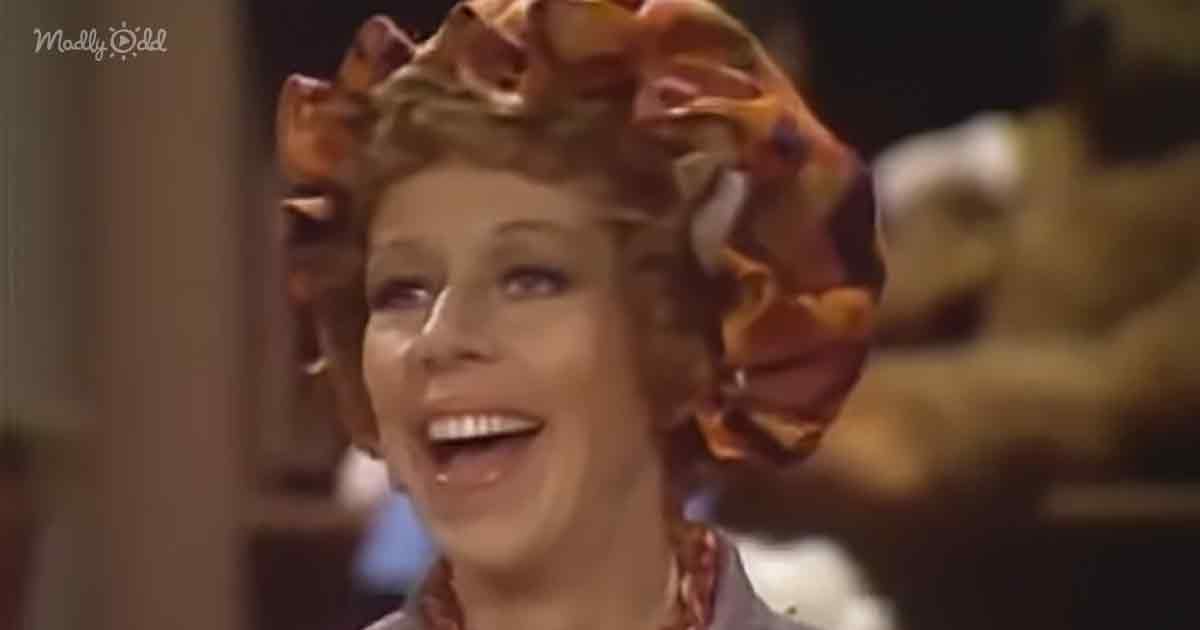
This wasn’t just television—it was something families experienced together. People laughed side by side, felt comforted, and found joy in the warmth Carol brought to every performance. It’s the kind of comedy that feels impossible to recreate today.
Share this with someone who remembers that magic. Because every once in a while, we all deserve to laugh like that again.