
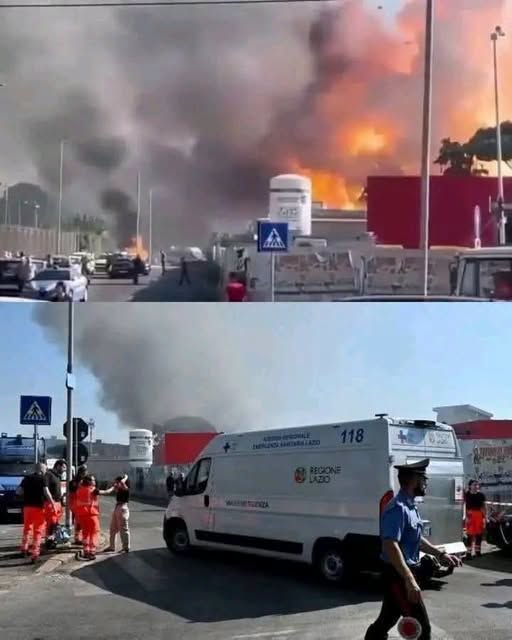
Witnesses described hearing a powerful explosion before seeing thick smoke rise above the highway.
Drivers caught in traffic had little time to respond as the fire spread through nearby vehicles. More than 30 cars and motorcycles were reportedly damaged or destroyed.
The effects extended beyond the roadway. Some nearby homes and businesses also sustained damage, leaving residents and business owners to assess the impact while emergency crews secured the area.
For many families, what began as an ordinary morning quickly became a day marked by loss, uncertainty, and disruption.
Investigation Continues
Authorities are examining the tanker and surrounding evidence to determine what caused the crash.
Investigators are considering several possible factors, including vehicle condition, speed, mechanical issues, and driver actions. At this stage, officials have not announced a final conclusion.
They are also reviewing whether the vehicle complied with applicable permits, safety requirements, and insurance obligations. These findings may become important both for legal accountability and for those seeking compensation for injuries or property damage.
Allowing investigators to complete their work carefully helps ensure that conclusions rest on evidence rather than early assumptions.
The Wider Impact
The accident has renewed discussion about transporting hazardous materials through densely populated urban areas.
Fuel tankers play an essential role in supplying communities, yet they also require rigorous maintenance, careful route planning, and consistent regulatory oversight. Incidents involving hazardous cargo can place heavy demands on emergency services while affecting nearby residents, businesses, and public infrastructure.
Many safety advocates have called for continued evaluation of inspection procedures, operating standards, and transportation routes to reduce the likelihood of similar tragedies.
Looking Ahead
As the investigation continues, the immediate priority remains caring for those affected and supporting the families who have suffered loss.
In time, the findings may also help strengthen transportation safety practices and emergency preparedness.
While no investigation can undo what has happened, careful review, responsible accountability, and a commitment to learning from difficult events offer the best opportunity to reduce future risk and better protect the communities these roads serve.