
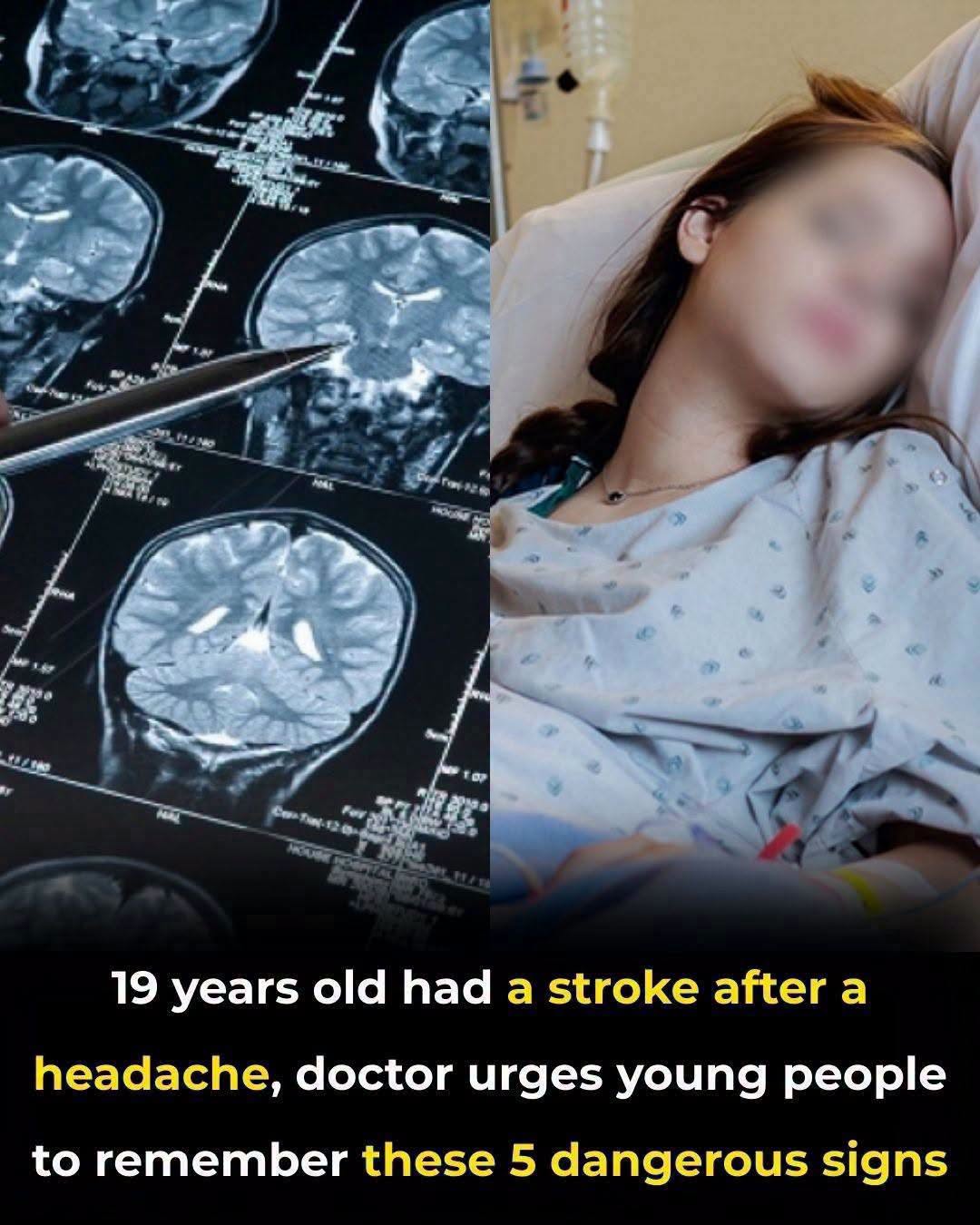
A stroke occurs when part of the brain no longer receives the blood supply it needs.
This may happen because a blood vessel becomes blocked or because a blood vessel ruptures and bleeds into the brain.
Without adequate oxygen, brain cells begin to suffer damage.
The sooner treatment begins, the greater the opportunity to reduce lasting injury and preserve important functions such as movement, speech, vision, memory, and independence.
Warning Signs That Should Never Be Ignored
Stroke symptoms often appear suddenly.
Common warning signs include:
- Weakness or numbness affecting one side of the face, arm, or leg.
- Difficulty speaking or understanding speech.
- Sudden confusion.
- Blurred or lost vision in one or both eyes.
- Trouble walking, dizziness, or loss of balance.
- A sudden, severe headache unlike previous headaches, particularly if it appears without an obvious cause.
Even if symptoms improve after a short time, they should still be treated as a medical emergency.
Every Minute Matters
When a stroke is suspected, calling emergency medical services immediately is the safest course of action.
Attempting to wait and see whether symptoms improve can delay treatments that are most effective during the earliest stages of a stroke.
Emergency medical teams can begin assessment quickly and transport the patient to the most appropriate hospital for urgent care.
Prompt treatment offers the best opportunity for recovery.
Reducing Risk
Not every stroke can be prevented, but many risk factors can be managed.
Regular medical care can help identify conditions such as high blood pressure, diabetes, irregular heart rhythms, and elevated cholesterol before they lead to more serious complications.
Healthy habits also contribute to long-term protection, including:
- Maintaining healthy blood pressure.
- Managing diabetes carefully.
- Avoiding tobacco use.
- Limiting excessive alcohol consumption.
- Staying physically active.
- Eating a balanced diet.
- Following medical advice for existing health conditions.
Small, consistent choices often have lasting benefits over time.
Caring for Ourselves and Others
A stroke affects more than one individual.
Families, friends, caregivers, and communities often share in the challenges of recovery through rehabilitation, ongoing care, and emotional support.
Learning the warning signs is therefore an act of care not only for ourselves but also for those around us.
Being prepared allows us to respond calmly when every moment counts.
A Final Thought
Health is easy to take for granted until it changes unexpectedly.
While no one can remove every risk from life, we can respond wisely by paying attention to our bodies, attending regular medical checkups, and acting promptly when something seems seriously wrong.
If sudden changes in speech, strength, vision, balance, or awareness occur, seek emergency medical care without delay.
Quick action cannot guarantee every outcome, but it can create the best possible opportunity for treatment and recovery.
Sometimes the most important decision is simply refusing to ignore the signs.