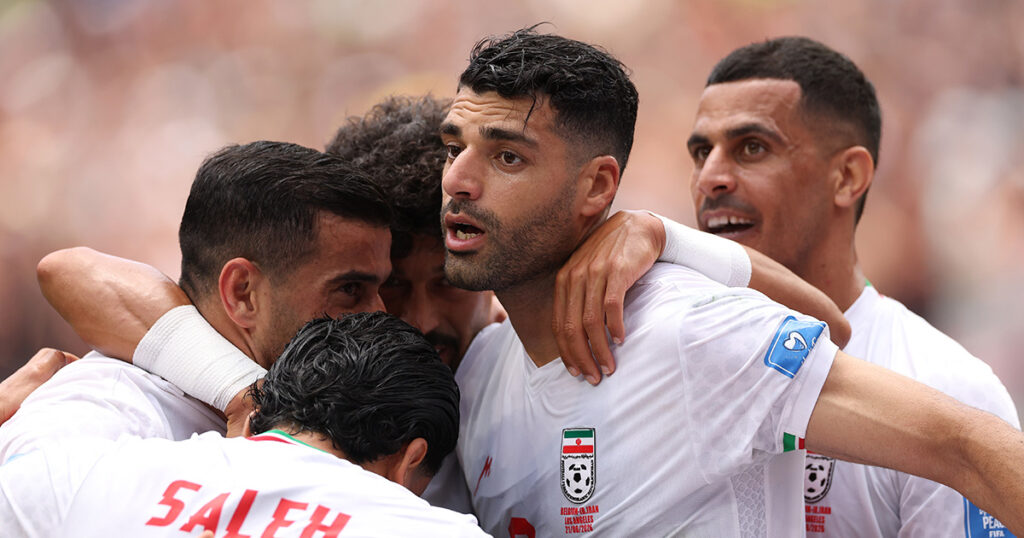
For weeks, questions surrounded visa approvals, and many feared the team could miss the tournament entirely. Eventually, U.S. authorities approved visas for the players just 10 days before Iran’s opening match, allowing them to participate.
However, not everyone traveling with the team received permission to enter.
According to the Iranian Football Federation, several important members of the delegation were denied visas, including the team manager, two analysts, the media director, and a representative from Iran’s Foreign Ministry.
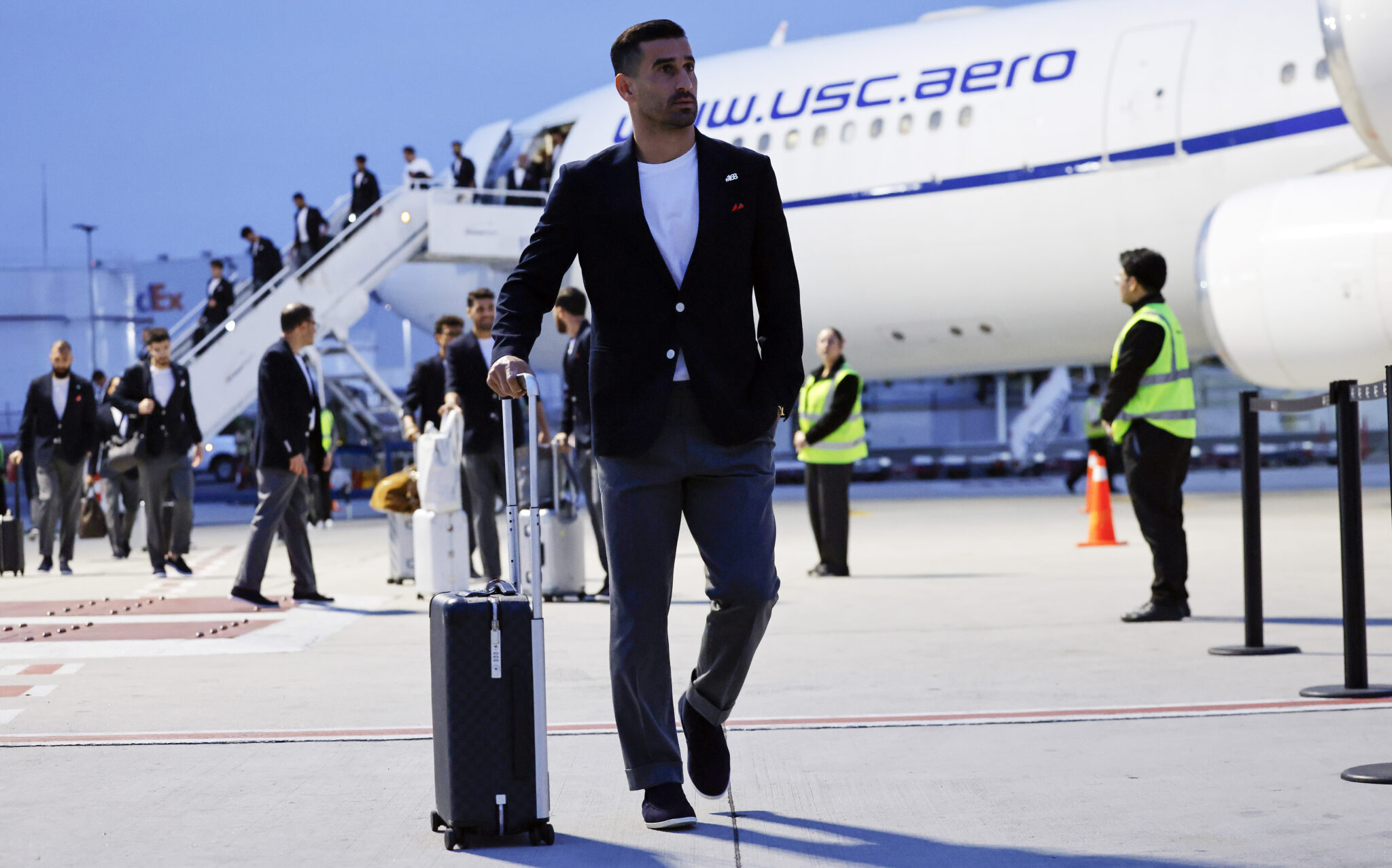
Their absence immediately created additional complications for the team.
Because of the strained relationship between the two countries, Iran was also prohibited from establishing its tournament base inside the United States.
Instead, the squad has been staying in Tijuana, Mexico, throughout the competition.
The arrangement has required players to travel into the United States on match days and leave again later that same night.
The unusual schedule has drawn criticism from both players and coaching staff, who argue that the restrictions have negatively affected their preparations.
Iran head coach Amir Ghalenoei has been particularly vocal about the issue.
Speaking to reporters, he questioned why authorities eventually offered the team more flexibility for their final group-stage match while imposing strict travel limitations during the opening games.
“We only managed to train half the time we usually spend on training,” Ghalenoei said.
“We wanted to have optimal physical and technical preparation.”
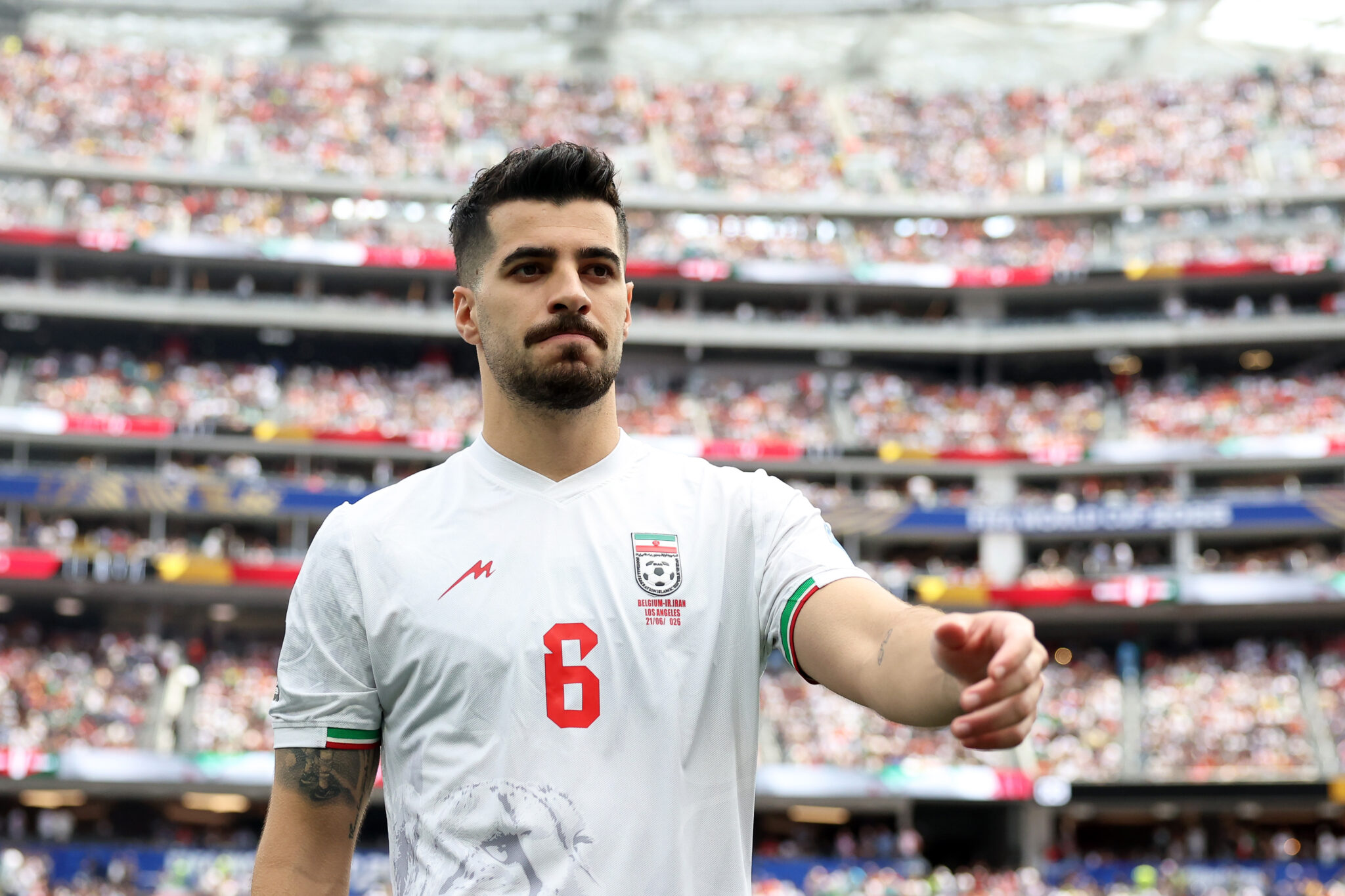
He then compared Iran’s situation to other national teams that had been allowed to prepare under normal conditions.
“Look at the Belgium team. They arrived yesterday noon. They’ve managed to have proper training.”
Ghalenoei continued by expressing frustration over what he considered inconsistent treatment.
“For the third game, they’ve allowed us to make our own decisions regarding travel planning. But my question is, why didn’t they allow us to do that for the first two matches as well?”
“If they can do it now, why couldn’t they do it earlier?”
So far, Iran’s World Cup campaign has been challenging.
The team has recorded one defeat and one draw, leaving everything to play for heading into its final group-stage match.
Yet despite the controversy surrounding their participation, the Iranian players are now making headlines for an entirely different reason.
After their scoreless 0-0 draw against Belgium in Los Angeles on Sunday, the team prepared to leave immediately for the airport and return to their temporary base in Mexico.
Before departing, however, they left behind a message inside the dressing room that quickly attracted international attention.
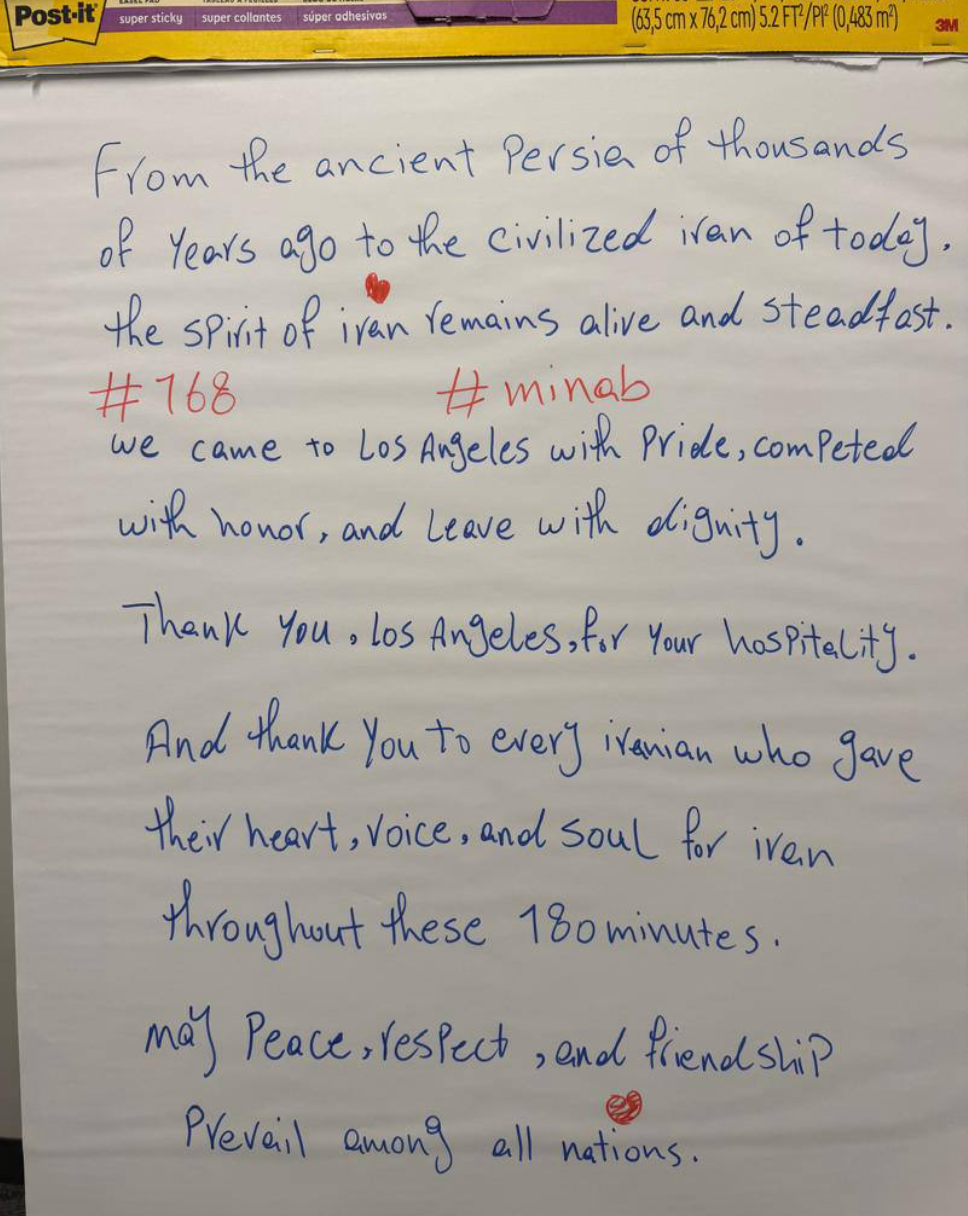
The note was later shared publicly by the Football Federation of Iran and national team forward Ramin Rezaeian on social media.
It carried a message of pride, identity, and unity.
“From the ancient Persia of thousands of years ago to the civilized Iran of today, the spirit of Iran remains alive and steadfast,” the note read.
The players also reflected on their experience in Los Angeles.
“We came to Los Angeles with pride, competed with honor, and leave with dignity.”
The message then shifted toward gratitude.
“Thank you, Los Angeles, for your hospitality. And thank you to every Iranian who gave their heart, voice, and soul for Iran throughout these 180 minutes.”
The note ended with a broader appeal that reached beyond politics and football itself.
“May peace, respect, and friendship prevail among all nations.”
For many supporters, the message symbolized something larger than the results on the field.
While international tensions continue to shape their World Cup experience, the Iranian players chose to leave behind a statement focused on unity rather than division.
Iran now turns its attention to its final group-stage match against Egypt in Seattle on Saturday, knowing that both their performance and their presence at the tournament continue to attract global attention.
Regardless of the outcome, the team has already shown that this World Cup journey is about far more than ninety minutes of football.
{"post":105357,"page":2,"next":[{"id":105352,"title":"Rejected Mother Exposes A Greedy Bride With One Devastating Wedding Day Message","url":"https:\/\/new24.info\/105352"},{"id":105348,"title":"Returning Empty Wedding Gift During Expensive Birthday Party Taught Sister Lesson","url":"https:\/\/new24.info\/105348"},{"id":105344,"title":"Finding A Hidden Box Uncovered Five Years Of Lies And Deceit","url":"https:\/\/new24.info\/105344"},{"id":105341,"title":"Is Okra Good for People With Diabetes? Benefits, Risks, and How to Eat It Right","url":"https:\/\/new24.info\/105341"},{"id":105338,"title":"I Raised My Fianc\u00e9\u2019s 10 Children After He Left Us \u2013 30 Years Later, His Attorney Appeared at My Door and Said, \u2018He Asked Me to Deliver This Envelope Today\u2019","url":"https:\/\/new24.info\/105338"},{"id":105336,"title":"How a Simple Image Can Challenge Your Perspective and Reveal Hidden Details","url":"https:\/\/new24.info\/105336"},{"id":105333,"title":"Search Results for \u201cA Baywatch Familiar Face Is Being Remembered Differently Now\u201d \u2013 Tbdig Divaxo","url":"https:\/\/new24.info\/105333"},{"id":105327,"title":"The Silent Killer on Your Dinner Plate: Why Millions Are Eating the World\u2019s Deadliest Food","url":"https:\/\/new24.info\/105327"},{"id":105324,"title":"Sasha Obama Appears at Presidential Center Opening in Rare Public Outing - Terbv","url":"https:\/\/new24.info\/105324"},{"id":105321,"title":"The Final Stand of a Hollywood Legend: How the Duke Faced His Last Moments - Terbv","url":"https:\/\/new24.info\/105321"},{"id":105317,"title":"One year after my divorce, my ex-mother-in-law spotted me at the clinic with a smug grin. She told me her son made the right choice leaving me and was now raising a daughter with my former friend. I stayed calm, smiled, and said","url":"https:\/\/new24.info\/105317"},{"id":105312,"title":"With broken hearts, we say goodbye to the woman who made mothers everywhere feel less alone","url":"https:\/\/new24.info\/105312"},{"id":105307,"title":"Psychologists Say This Simple Gesture May Mean More Than You Think","url":"https:\/\/new24.info\/105307"},{"id":105303,"title":"Her Fianc\u00e9 Kept Asking About Money, So She Set a Test","url":"https:\/\/new24.info\/105303"},{"id":105299,"title":"What Investigators Have Revealed About a Tragic Family Case Is Drawing Attention","url":"https:\/\/new24.info\/105299"},{"id":105295,"title":"Barron Trump\u2019s Rare Appearance Has People Looking Twice-","url":"https:\/\/new24.info\/105295"},{"id":105289,"title":"My Daughter Cut Ties with Me After Marrying a Wealthy Man \u2013 7 Years Later, a Little Girl Knocked on My Door and Said, \u0027Only You Can Help Mommy. Please, Go with Me\u0027","url":"https:\/\/new24.info\/105289"},{"id":105286,"title":"When the seamstress unzipped my daughter\u2019s custom silk wedding dress, the champagne glass slipped from my hand and shattered on the floor.","url":"https:\/\/new24.info\/105286"},{"id":105283,"title":"At 3 a.m., my phone rang. My eight-months-pregnant twin was sobbing. \u201cSis\u2026 come get me.\u201d","url":"https:\/\/new24.info\/105283"},{"id":105280,"title":"My 5-Year-Old Daughter Tugged My Wedding Dress and Whispered, \u201cMommy, New Daddy Did Something Bad\u201d \u2014 Minutes Later, I Stopped the Wedding","url":"https:\/\/new24.info\/105280"}]}