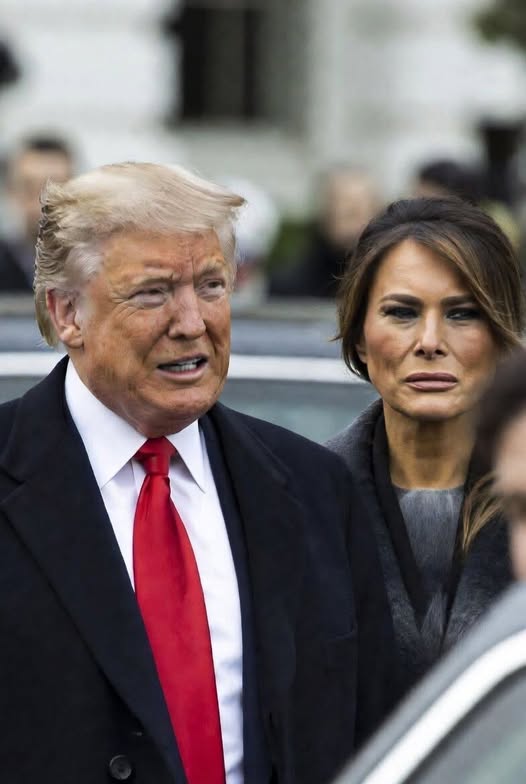
tered remnants of a life lived entirely for the cameras. In the quiet, hollow spaces between public appearances, they had become strangers who knew each other far too well. The campaign calendar had always taken precedence: rallies were prioritized over anniversaries, complex political strategy over necessary therapy, and perfectly curated photo opportunities over the messy, honest conversations that keep a marriage alive.
What they had once framed as a shared sacrifice for the greater good had slowly, almost imperceptibly, curdled into emotional distance, and finally, a profound, chilling numbness. By the time the polls closed for the last time, the realization set in with the weight of a stone: they no longer knew how to exist in the same room without an audience. The intimacy that once defined them had been replaced by the hollow mechanics of performance.
The most devastating toll was paid by those outside the political arena. Their children were forced to watch as the internet dissected their family dynamic like a salacious scandal rather than a human loss. There was no single, explosive betrayal to point to, no shocking revelation that could neatly explain the collapse to a hungry public. There was only the slow, grinding erosion of years spent choosing political survival over personal sincerity, until love itself felt like nothing more than another rehearsed talking point.
When the final statement was released—dignified, carefully controlled, and dripping with the cold, precise language of diplomacy—it was not a declaration of war. It was something far sadder. It was a quiet, final admission that somewhere along the grueling, relentless path to power, they had stopped being each other’s home. The tragedy was not that they fell out of love, but that they had become so accustomed to living behind a mask that they forgot how to take it off, even when they were finally alone.