…prepared for the level of scrutiny they faced. The conversation ignited almost immediately, particularly surrounding Keith Urban, whose relaxed appearance—a gray blazer paired with loose white trousers and sneakers—became the night’s most polarizing fashion choice. While some hailed his laid-back approach as a refreshing departure from stuffy red carpet norms, others interpreted his body language and casual attire as a sign of discomfort, sparking a viral debate that eclipsed the music itself.
The red carpet served as a visual map of where country music stands today. On one end of the spectrum, icons like Brooks & Dunn stood as pillars of heritage, their classic denim and cowboy hats offering a comforting sense of continuity. On the other, artists like Kane Brown and Shaboozey pushed the boundaries of the genre’s aesthetic. Brown’s sleeveless pinstripe suit, which put his tattoos on full display, was a daring departure from the traditional formal wear expected at such a prestigious event, signaling a new era of confidence and genre-bending influence.
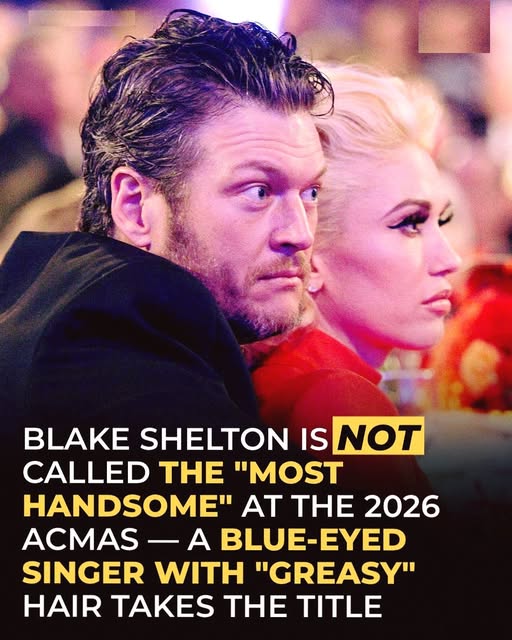
Blake Shelton, ever the grounded presence, chose to keep the focus squarely on his musical identity rather than his wardrobe. Carrying an acoustic guitar, his simple vest and button-down look served as a reminder that for many, the music remains the primary spectacle. Yet, even this groundedness was contrasted by the experimental flair of artists like Tucker Wetmore, whose powder-blue suit and unbuttoned collar brought a youthful, vibrant energy to the evening.
The discourse surrounding these appearances highlights a fundamental shift in how fans engage with their favorite artists. It is no longer enough to simply show up; the red carpet has become a performance in its own right, where every detail is analyzed for meaning. Whether an artist chooses to honor the roots of the genre with a textured three-piece suit like Riley Green or embrace the future with the bold, monochromatic leather look of Shaboozey, the audience is watching closely.
Ultimately, the 2026 ACM red carpet was more than just a parade of expensive clothes. It was a snapshot of a community in transition. It captured the tension between the deep-seated traditions that built country music and the modern, experimental spirit that is currently redefining it. As the dust settles on the fashion choices and the social media debates, one thing remains clear: the genre is evolving, and its stars are finding new ways to express their individuality—even if it means risking a little controversy along the way.